The Elegance of Ding Ware: White Beauty
|
Ding ware is one of the most highly prized white porcelains of the Song Dynasty, renowned for its fine, thin body, its smooth, ivory-white glaze, and its delicate carved or impressed designs. Ding ware represents a high level of technical and aesthetic refinement and is emblematic of the Song preference for simple elegance. Ding ware is a testament to the technical skill of the potters. 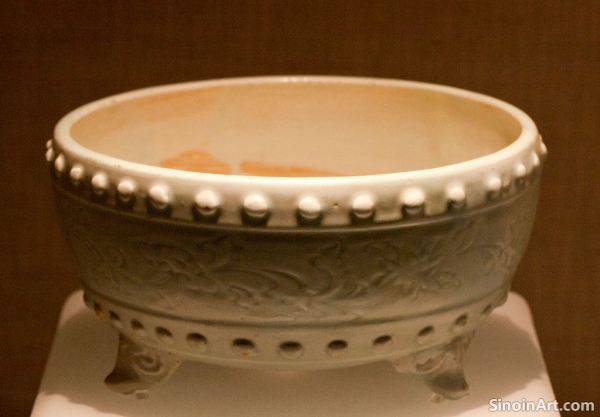 Ding ware was primarily produced at kilns in Hebei province, which had access to high-quality white clay. The purity of this clay was essential to the production of the fine, white porcelain that is characteristic of Ding ware. The source clay was key to the quality of Ding ware ceramics. 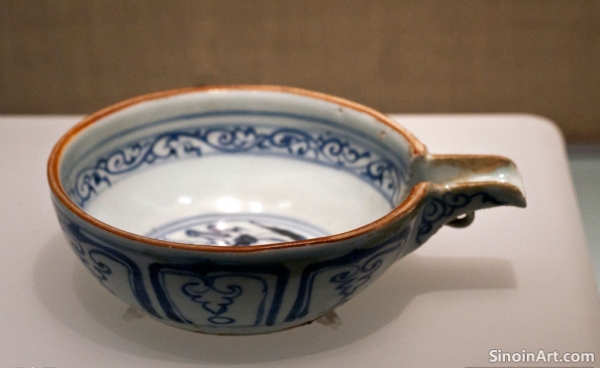 The designs on Ding ware are often subtle and delicate, featuring floral patterns, cloud motifs, or simple geometric forms. These designs were often carved or impressed into the clay before glazing, creating a subtle texture beneath the smooth surface. The decorations were understated, adding to the overall elegant feel. 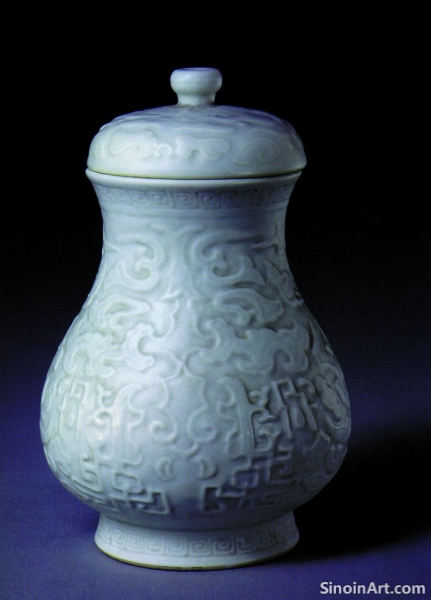 The forms of Ding ware were also notable for their elegance and grace, including bowls, dishes, and small vases. The smooth, often thin walls of these vessels and their refined silhouettes are still admired today. The forms highlight the delicate nature of the wares. The enduring appeal of Ding ware lies in its pure, understated elegance, its exquisite craftsmanship, and its embodiment of the aesthetic ideals of the Song Dynasty. The impact of Ding ware on later ceramic styles is significant and continues to be appreciated today. The understated beauty of Ding ware makes it highly sought after. |
Tag : Ding ware, Song Dynasty porcelain, White porcelain, Chinese ceramics, Ding kilns
Related information
- Song Dynasty Ceramics and the Tea Ceremony
- The Influence of Tea Culture on Song Ceramics
- Blackwares of the Song Dynasty: Jian and Beyond
- The Role of Kilns in Song Ceramic Production
- The Role of the Kilns in Song Ceramic Innovation
The Song Dynasty saw the flourishing of tea culture, and ceramics played a central role in the rituals and practices surrounding tea consumption. Specific types of tea bowls, teapots, and other tea wares were developed to enhance the tea-drinking experience. The ritualistic elements of tea consumption made the ceramic pieces important elements of daily life in the Song period.
Song Dynasty tea culture had a profound impact on ceramics, leading to the creation of specialized tea bowls like Jian ware with unique glazes and forms, reflecting the period’s emphasis on simplicity, elegance, and mindfulness.
Song Dynasty blackwares, including Jian and Jizhou, feature diverse and artistic dark glazes like "hare's fur," “oil spot,” and decorative techniques, showcasing the range and creativity of Song potters.
The technological advancements in kiln construction and firing techniques during the Song Dynasty were crucial to the high quality and wide variety of ceramic wares produced during the period. The use of specific kilns was essential to the production of the unique and desirable pieces that are a hallmark of the Song era.
Song Dynasty kilns, such as those in Longquan, Ding, Jun, and Jian, were centers of experimentation and artistic innovation, advancing kiln technology, glaze effects, and the training of potters, leading to a diversity of high-quality ceramic styles.