The Role of the Kilns in Song Ceramic Innovation
|
The kilns of the Song Dynasty were not just places of production but also centers of experimentation, innovation, and artistic creativity. The variety and sophistication of the ceramics produced during this period owe a great deal to the potters and kiln masters who pushed the boundaries of ceramic technology and aesthetics. The kilns were the focal point of creativity. 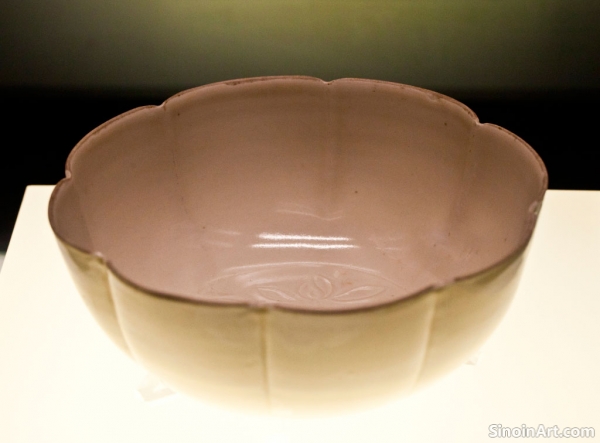 Kilns like Longquan, Ding, Jun, and Jian, each with their unique characteristics, produced ceramics that were not only functional but also works of art. Each kiln had their own specific techniques and methods of production. These differences led to an explosion of ceramic styles across the Song Empire.  The technology of kiln construction and firing techniques was advanced during this period. Potters used sophisticated methods to control temperatures, to achieve specific glaze effects, and to create ceramics of the highest quality. The kiln technology of the era was incredibly complex. 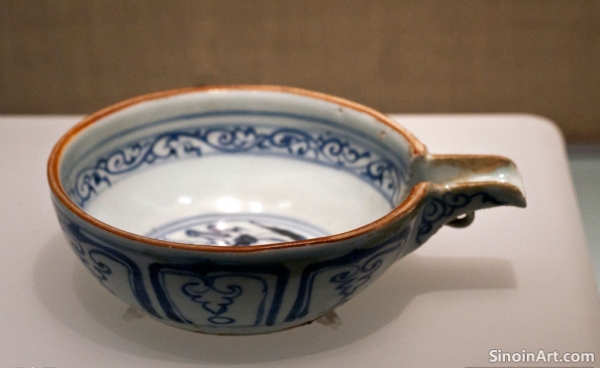 The kilns of the Song Dynasty were not only centers of production but also places where potters were trained and new knowledge was shared. This led to the transmission of techniques from one generation to the next. The transfer of knowledge was vital to the growth of ceramics production. The legacy of the Song Dynasty kilns is evident in the continued appreciation of these ceramics and in the ongoing interest in the techniques and materials used to produce them. The kilns remain important sites of historic interest. The art produced by the kilns is still highly prized today. |
Tag : Song Dynasty kilns, Ceramic innovation, Longquan kilns, Jian kilns, Chinese pottery
Related information
- Song Ceramics and the Representation of Nature
- The Global Influence of Song Dynasty Ceramics
- The Delicate Beauty of Ru Ware Porcelain
- Decorative Techniques in Song Ceramics
- Jun Ware: The Art of Transmutation
The forms, glazes, and decorative motifs of Song Dynasty ceramics often reflect a deep appreciation for nature, with potters drawing inspiration from the natural world. The incorporation of natural elements is a clear indicator of the importance of nature in Tang artistic thought.
Song Dynasty ceramics have had a profound influence on ceramic traditions around the world, with their beauty, elegance, and technical sophistication inspiring potters in many different cultures. The influence of Song wares has been felt throughout Asia, Europe, and even the Americas, and this speaks to the global importance of Chinese ceramics.
Ru ware, produced for a short period during the late Northern Song Dynasty, is among the rarest and most highly valued of all Chinese ceramics. Known for their delicate bluish-green celadon glaze, often described as the color of "sky after rain," Ru ware pieces are celebrated for their understated elegance, simple forms, and subtle crackle patterns. They are highly sought after by collectors and admired for their timeless beauty.
Song Dynasty ceramics employed various subtle decorative techniques like carving, incising, molding, and impressing, adding texture and visual interest while allowing the simple forms and glazes to remain the focus.
Jun ware, a distinctive Song Dynasty ceramic style, is known for its thick, opalescent glazes in a range of colors, achieved through carefully controlled firing processes, often exhibiting dramatic and unpredictable visual effects.