The Role of Kilns in Song Ceramic Production
|
The technological advancements in kiln construction and firing techniques during the Song Dynasty were crucial to the high quality and wide variety of ceramic wares produced during the period. The use of specific kilns was essential to the production of the unique and desirable pieces that are a hallmark of the Song era. 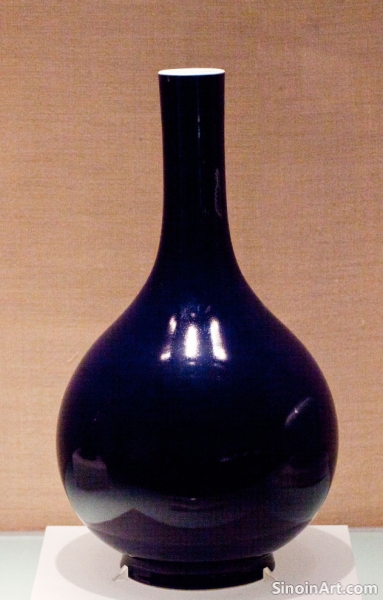 Song kilns were often built with multiple flues and carefully designed interiors, which enabled potters to control the temperature and atmosphere within the kiln with greater precision. This careful attention to kiln design was vital to producing consistent results. 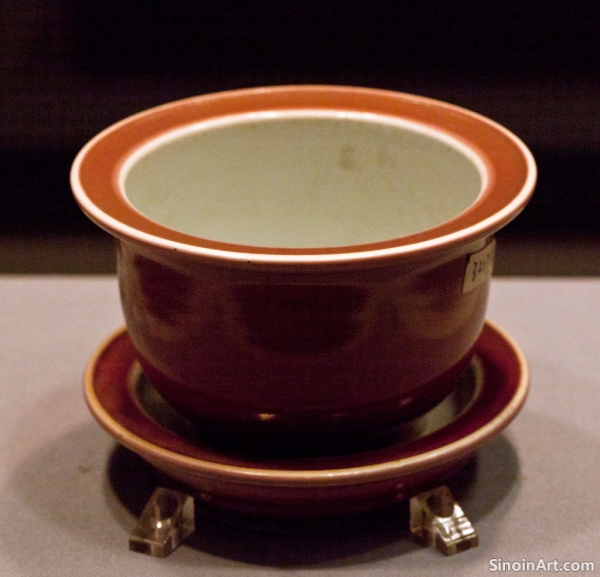 The use of refractory materials in kiln construction allowed for higher firing temperatures, which were necessary for achieving the high level of vitrification seen in Song porcelains, and this enabled potters to experiment with new clays and glazes. 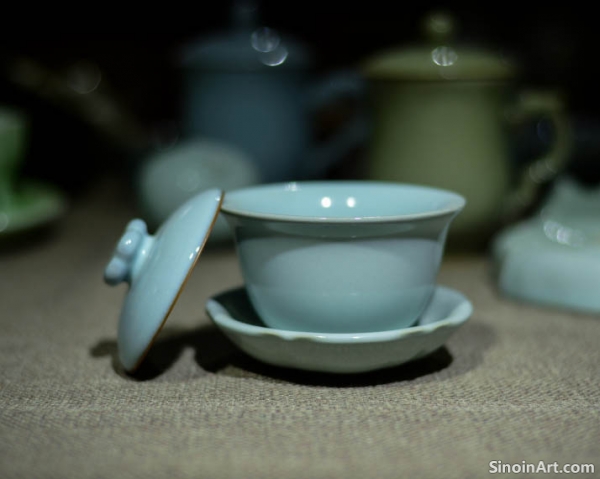 The specialized kilns developed during the Song Dynasty were often located near sources of raw materials, such as clay and wood, which highlights the sophistication of the infrastructure that supported ceramic production at this time. The legacy of Song kiln technology can be seen in the continued use of similar methods by potters in later periods. The skills and knowledge developed during the Song era would have a long lasting impact on subsequent pottery traditions. |
Tag : Song kilns, Chinese pottery kilns, ancient firing techniques, ceramic production, kiln technology
Related information
- Decorative Techniques in Song Ceramics
- Jun Ware: A Splash of Color in the Song Dynasty
- The Global Influence of Song Dynasty Ceramics
- Song Ceramics and the Representation of Nature
- The Influence of Tea Culture on Song Ceramics
Song Dynasty ceramics employed various subtle decorative techniques like carving, incising, molding, and impressing, adding texture and visual interest while allowing the simple forms and glazes to remain the focus.
Jun ware, produced in kilns in Henan province, is distinguished by its vibrant, opalescent glazes, which range in color from sky blue to lavender, crimson, and even deep purple. Unlike the more restrained celadons and monochromes of the Song Dynasty, Jun ware is known for its dramatic splashes of color and bold, expressive forms. The vibrant colour palette makes them stand out from the more muted forms of Song Dynasty pottery.
Song Dynasty ceramics have had a profound influence on ceramic traditions around the world, with their beauty, elegance, and technical sophistication inspiring potters in many different cultures. The influence of Song wares has been felt throughout Asia, Europe, and even the Americas, and this speaks to the global importance of Chinese ceramics.
The forms, glazes, and decorative motifs of Song Dynasty ceramics often reflect a deep appreciation for nature, with potters drawing inspiration from the natural world. The incorporation of natural elements is a clear indicator of the importance of nature in Tang artistic thought.
Song Dynasty tea culture had a profound impact on ceramics, leading to the creation of specialized tea bowls like Jian ware with unique glazes and forms, reflecting the period’s emphasis on simplicity, elegance, and mindfulness.