Song Dynasty Ceramics and the Tea Ceremony
|
The Song Dynasty saw the flourishing of tea culture, and ceramics played a central role in the rituals and practices surrounding tea consumption. Specific types of tea bowls, teapots, and other tea wares were developed to enhance the tea-drinking experience. The ritualistic elements of tea consumption made the ceramic pieces important elements of daily life in the Song period. 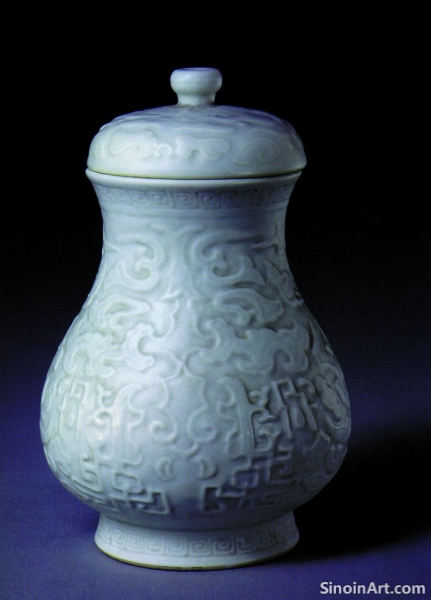 Jian ware tea bowls, with their dark, heat-retentive glazes, were particularly prized for their ability to highlight the color and texture of the frothy whisked tea that was common at the time. The dark tones made the lighter colours of the tea stand out and provided an ideal canvas for the experience of drinking tea.  Other types of tea wares, such as small dishes for tea cakes and ewers for pouring hot water, were also produced in a variety of forms and styles. The production of specialized tea wares shows how important tea was in Song society.  The forms and styles of Song tea wares reflect the aesthetic values of the period, emphasizing simplicity, elegance, and a connection to the natural world. The pieces were both functional and pleasing to the eye. The continued popularity of Song tea wares demonstrates their enduring influence on tea culture and their role in shaping the modern appreciation for the art of tea drinking. The surviving pieces continue to inspire even today. |
Tag : Song tea ceremony, Chinese tea bowls, Jian ware tea, ancient teaware, tea culture ceramics
Related information
- The Everyday Elegance of Song Dynasty Ceramics
- Collecting and Appreciating Song Ceramics Today
- The Influence of Tea Culture on Song Ceramics
- The Beauty of Celadon: Longquan and Beyond
- The Global Influence of Song Dynasty Ceramics
While Song ceramics are often celebrated for their rare and exquisite pieces made for the imperial court, a wealth of utilitarian wares were also produced for everyday use. These pieces, while perhaps less elaborate than court ceramics, exhibit a refined sense of beauty and practicality, demonstrating the ubiquitous presence of ceramics in Song Dynasty life. These pieces are an important window into everyday life during this period.
Song Dynasty ceramics are highly valued today by collectors and museums due to their historical significance, artistic beauty, and technical sophistication, requiring detailed knowledge for informed collection, appreciation, and authentication.
Song Dynasty tea culture had a profound impact on ceramics, leading to the creation of specialized tea bowls like Jian ware with unique glazes and forms, reflecting the period’s emphasis on simplicity, elegance, and mindfulness.
Celadon, a jade-like green glazed ceramic, is a hallmark of Song Dynasty pottery, especially Longquan celadon, known for its pure color, smooth texture, and elegant forms, and also includes distinctive styles like that of Yaozhou.
Song Dynasty ceramics have had a profound influence on ceramic traditions around the world, with their beauty, elegance, and technical sophistication inspiring potters in many different cultures. The influence of Song wares has been felt throughout Asia, Europe, and even the Americas, and this speaks to the global importance of Chinese ceramics.