The Decorative Motifs of Tang Ceramics
|
The decorative motifs found on Tang Dynasty ceramics are rich and varied, reflecting the diverse cultural influences and artistic trends of the era. These motifs, ranging from simple geometric patterns to complex figural depictions, not only enhance the aesthetic appeal of the wares but also provide insights into Tang beliefs, values, and artistic tastes. 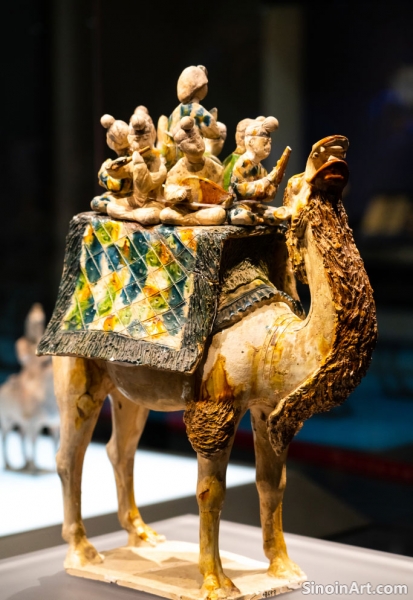 Floral motifs were a common feature of Tang ceramics, particularly in celadon wares. Lotus flowers, peonies, and other stylized floral patterns were used to adorn bowls, dishes, and vases. These floral motifs not only added a touch of beauty and elegance but also symbolized prosperity, purity, and good fortune. The delicate rendering of floral designs demonstrates the high level of craftsmanship achieved by Tang potters.  Geometric patterns also featured prominently in Tang ceramic decoration. Simple bands, zigzags, and other abstract designs were often used to create borders or highlight specific areas of the ceramic piece. These patterns, while seemingly simple, demonstrated a sophisticated understanding of composition and balance. The use of geometric motifs added a touch of formality and structure to the decorative scheme. 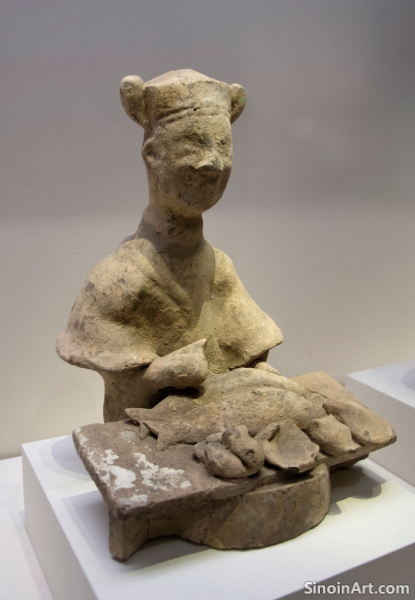 Animal motifs were another significant category of Tang ceramic decoration. Depictions of horses, camels, dragons, and phoenixes were common, particularly in tomb wares. These motifs not only added visual interest but also held symbolic meaning. Horses represented power and status, while dragons and phoenixes symbolized good fortune and auspiciousness. Figural scenes, especially common in sancai wares, offer a window into Tang Dynasty life. Court ladies, musicians, dancers, and other figures were meticulously rendered, often wearing the clothing and hairstyles of the time. These figural scenes provide valuable insights into the social customs and daily life of the Tang Dynasty. |
Tag : Tang Dynasty ceramic motifs, Chinese pottery decoration, ancient floral patterns, animal motifs in ceramics, figural pottery designs
Related information
- Sancai Ware: A Symphony of Three Colors
- The Forms of Tang Ceramics: Function and Artistry
- Yue Ware Celadon: Subtle Elegance in Green
- The Enduring Legacy of Tang Dynasty Ceramics
- The Vibrant World of Tang Ceramics: An Overview
Sancai, meaning “three-color” in Chinese, is perhaps the most iconic ceramic ware of the Tang Dynasty. These vibrant and richly glazed pieces are instantly recognizable for their combination of green, amber, and cream or straw-yellow glazes. While the term suggests a limited palette, the actual range of colors could vary, sometimes incorporating blues and purples, creating a dazzling visual spectacle. Sancai ware wasn’t just about color; it was a bold statement of Tang aesthetics and technical prowess.
Tang Dynasty ceramics feature diverse forms ranging from elegant ewers and sancai tomb figures to robust storage jars and architectural elements, showcasing the intersection of function, artistry, and the diverse needs of the era.
Yue ware, a Tang Dynasty celadon, is characterized by subtle green glazes, elegant forms, and fine, smooth bodies, reflecting a quieter aesthetic and influencing later celadon traditions across Asia.
The ceramic art of the Tang Dynasty represents a peak in Chinese ceramic history, leaving an enduring legacy that continues to inspire artists, collectors, and scholars today. The innovative techniques, vibrant colors, and elegant forms of Tang wares established a new standard for ceramic production, influencing subsequent generations of potters both in China and around the world.
Tang Dynasty ceramics (618-907 AD) are characterized by vibrant colors, diverse forms, and innovative techniques, most notably three-color (sancai) glazes, reflecting the prosperity and cultural exchange of the era.