The Enduring Legacy of Tang Dynasty Ceramics
|
The ceramic art of the Tang Dynasty represents a peak in Chinese ceramic history, leaving an enduring legacy that continues to inspire artists, collectors, and scholars today. The innovative techniques, vibrant colors, and elegant forms of Tang wares established a new standard for ceramic production, influencing subsequent generations of potters both in China and around the world. 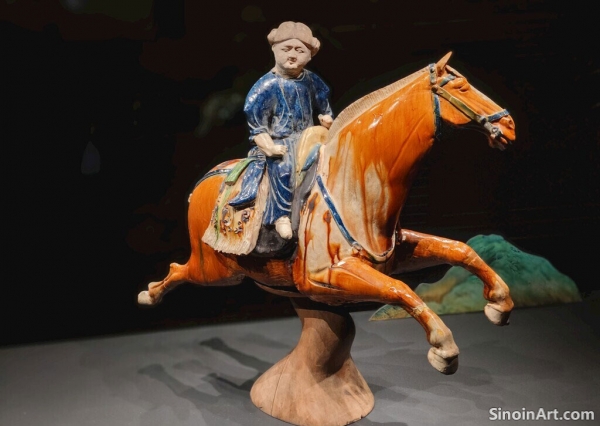 The technical advancements made during the Tang Dynasty, particularly in kiln technology and glaze formulations, laid the foundation for the later achievements of the Song and Ming periods. The control of firing temperatures, the introduction of new pigments, and the development of sophisticated glazing techniques all represent crucial milestones in the history of Chinese ceramics.  The artistic legacy of Tang ceramics is equally profound. The elegant forms, balanced proportions, and vibrant colors of Tang wares have become iconic symbols of Chinese aesthetics. The beauty of Tang sancai, for example, is still admired for its bold use of color and dynamic expression, while the subtle elegance of Tang celadon continues to inspire a sense of tranquility and harmony.  The influence of Tang ceramics is not limited to China; their impact can be seen in ceramic traditions throughout Asia and even in the Middle East and Europe. The trade and exchange of artistic ideas during the Tang Dynasty helped to spread the influence of Chinese aesthetics to distant lands. The ongoing study and appreciation of Tang Dynasty ceramics demonstrate their enduring relevance and significance. Museums and private collections around the world feature Tang wares as prized examples of Chinese art. These remarkable artifacts continue to fascinate and inspire, reminding us of the enduring power of human creativity and the timeless beauty of the Tang Dynasty. |
Tag : Legacy of Tang ceramics, Chinese porcelain history, impact of Tang art, influence on pottery, enduring ceramic masterpieces
Related information
- Sancai Glazes: A Tang Dynasty Innovation
- Tang Dynasty Tomb Figures: A Window into the Past
- Tang Ceramics and Foreign Trade
- The Forms of Tang Ceramics: Function and Artistry
- The Evolution of Tang Porcelain Forms
Sancai glazes, a key Tang innovation, are lead-based, three-color glazes (green, amber, and cream) applied to diverse ceramics, celebrated for their vibrant colors, distinctive textures, and reflection of the Tang Dynasty.
Tang Dynasty tomb figures, often decorated with sancai glazes, provide insights into the era's daily life, fashion, and beliefs, depicting court ladies, officials, soldiers, and animals, reflecting detailed craftsmanship and vibrant artistry.
The Tang Dynasty's open trade policies and the prominence of the Silk Road facilitated the widespread distribution of Tang ceramics to foreign lands. These ceramic wares, renowned for their beauty and quality, became valuable commodities in international trade, bringing Tang artistry and craftsmanship to distant corners of the world. The impact of this trade was significant, not only economically but also culturally.
Tang Dynasty ceramics feature diverse forms ranging from elegant ewers and sancai tomb figures to robust storage jars and architectural elements, showcasing the intersection of function, artistry, and the diverse needs of the era.
The forms and shapes of Tang Dynasty ceramics were as diverse and dynamic as the society that produced them. From simple utilitarian bowls to elaborate ceremonial vessels, the ceramic forms reflected the varied functions and aesthetic preferences of the time. The evolution of Tang ceramic forms was also driven by technical innovations and artistic experimentation, resulting in a wide range of shapes and sizes that showcase the ingenuity of Tang potters.