The Vibrant World of Tang Ceramics: An Overview
|
The Tang Dynasty (618-907 AD) is considered a golden age in Chinese history, marked by prosperity, cultural exchange, and artistic innovation. Tang ceramics reflect this vibrant era with their diverse forms, bold colors, and dynamic designs. This period saw significant advancements in kiln technology and glazing techniques, leading to a rich variety of ceramic wares. The Tang dynasty was a period of tremendous growth and sophistication in ceramic production. 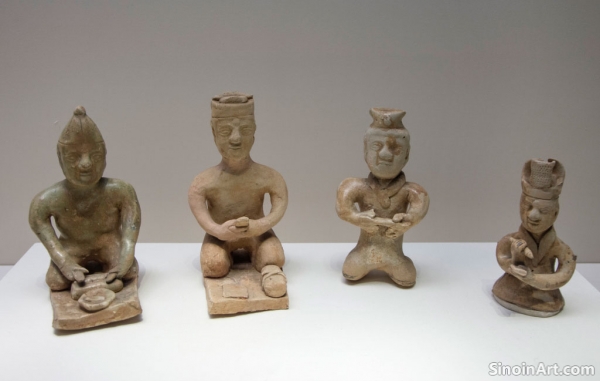 One of the most distinctive characteristics of Tang ceramics is the use of three-color (sancai) glazes. These lead-based glazes, often in shades of green, amber, and cream, were applied to earthenware figures, vessels, and architectural pieces, creating a striking visual effect. The vibrant colors of sancai are instantly recognizable and often associated with the Tang. 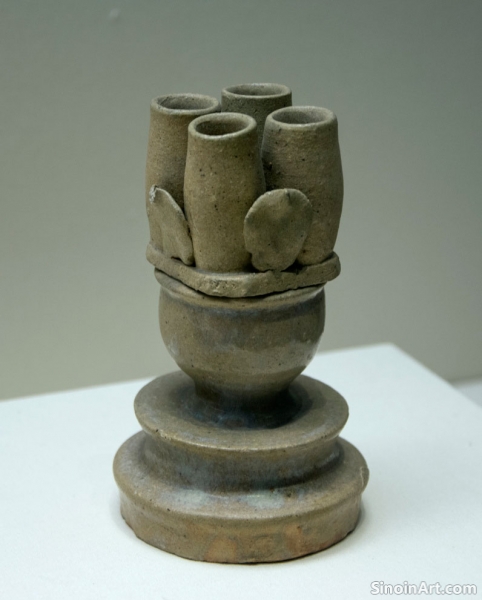 Tang ceramics also encompass a wide range of forms, from elegant ewers and vases to robust storage jars and tomb figurines. These forms often reflect both the practical needs of daily life and the funerary traditions of the time. These forms demonstrate the breadth of artistic production in the Tang. The pottery of this era was used for both secular and religious purposes.  Beyond sancai, Tang potters also produced high-fired wares, including Yue ware celadon, and Changsha ware with its splashed or painted designs. These wares demonstrate the technical sophistication of the period. The Tang potters were innovative and creative in their application of glazes and designs. The legacy of Tang ceramics lies in their artistic innovation, their technical achievements, and their representation of the vibrancy and cosmopolitanism of the Tang Dynasty. They are an important link to the artistic and historical record of the time. These pieces continue to be admired for their beauty and originality. |
Tag : Tang Dynasty ceramics, Chinese ceramics, Sancai pottery, Tang Dynasty art, Chinese pottery
Related information
- Tang Ceramics and the Tea Ceremony
- The Evolution of Tang Porcelain Forms
- The Influence of Foreign Cultures on Tang Ceramics
- The Forms of Tang Ceramics: Function and Artistry
- Burial Goods and the Afterlife in Tang Ceramics
While not as central as in later periods, the tea ceremony was beginning to gain popularity during the Tang Dynasty, and this had a subtle but significant impact on ceramic production. The growing appreciation for tea and the rituals surrounding its consumption influenced the development of specific ceramic forms and styles. The Tang tea culture, while not as formalized as in later dynasties, laid the groundwork for the widespread use of ceramics in tea service.
The forms and shapes of Tang Dynasty ceramics were as diverse and dynamic as the society that produced them. From simple utilitarian bowls to elaborate ceremonial vessels, the ceramic forms reflected the varied functions and aesthetic preferences of the time. The evolution of Tang ceramic forms was also driven by technical innovations and artistic experimentation, resulting in a wide range of shapes and sizes that showcase the ingenuity of Tang potters.
The Tang Dynasty’s openness to international exchange significantly influenced its ceramics, evident in the adoption of foreign patterns, vessel forms, and decorative techniques, reflecting the cosmopolitan spirit of the era.
Tang Dynasty ceramics feature diverse forms ranging from elegant ewers and sancai tomb figures to robust storage jars and architectural elements, showcasing the intersection of function, artistry, and the diverse needs of the era.
The Tang Dynasty saw the flourishing of an elaborate burial culture, with ceramics playing a central role in equipping the deceased for the afterlife. These funerary wares, from everyday objects to elaborate figurines, offer a fascinating glimpse into Tang beliefs about death, the spirit world, and the continuation of earthly life in another realm. These burial goods were not just functional; they were imbued with symbolic meaning and designed to ensure the comfort and prosperity of the deceased.