The Connection Between Xieyi and Chinese Gardens
|
There is a profound connection between Xieyi painting and the design principles of traditional Chinese gardens. Both art forms emphasize the importance of naturalness, harmony, and the creation of a microcosm of the natural world. The underlying principles of the designs reflect the values that are also valued in Xieyi. 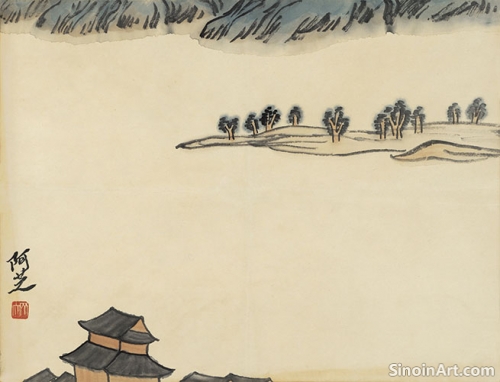 Just as Xieyi painters seek to capture the essence of nature through simplified forms and suggestive imagery, traditional Chinese gardens use strategically placed rocks, plants, and water to create a miniature landscape that evokes the beauty and tranquility of nature. They are both intended to replicate an idealized vision of the natural world. 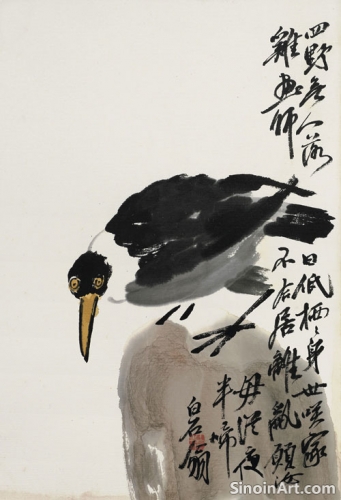 The use of negative space, which is crucial in Xieyi paintings, also plays a significant role in the design of Chinese gardens, creating a sense of depth, openness, and allowing visitors to contemplate the beauty of the empty spaces. The empty spaces are as essential as the designed spaces. It is the interplay of what is there and what is not that creates the overall feeling of the space. 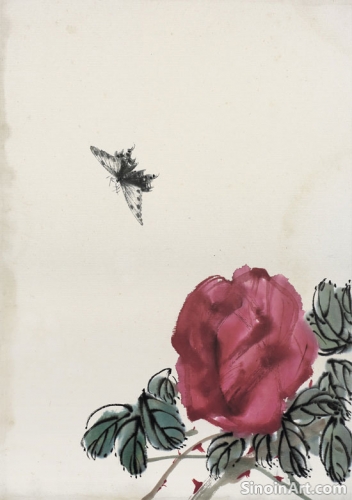 The emphasis on asymmetry and the flow of energy is also present in both art forms, reflecting the Taoist principle of living in harmony with the natural world. They aim to create a sense of balance and a natural harmony that feels organic and not forced or contrived. The natural flow of energy is an essential part of both design disciplines. Ultimately, both Xieyi painting and Chinese gardens seek to create environments that foster contemplation, reflection, and a deeper connection to nature and the human spirit, showing a shared underlying intention in their aesthetic choices. The goal is to create an environment that encourages a sense of peace, tranquility, and a thoughtful engagement with the natural world. |
Tag : Chinese gardens, landscape design, nature art, Xieyi influence, harmonic spaces
Related information
- The Essence of Xieyi: Capturing the Spirit
- The Brushstrokes of Xieyi: Mastering Spontaneity
- The Importance of "Dry Brush" in Xieyi
- Xieyi Painting and the Use of "Contrasting Ink"
- Xieyi Painting and the Influence of Nature
Xieyi, or freehand ink wash painting, emphasizes the expression of the artist's spirit through simplified forms and bold brushstrokes, using calligraphic techniques and negative space to convey the essence of a subject.
This article delves into the various brushstrokes and techniques used in Xieyi painting, emphasizing the importance of mastering spontaneity and ink control to convey the spirit of the subject.
The "Dry Brush" (kěbǐ) technique is essential in Xieyi, involving minimal ink and water to create broken, scratchy lines that add texture, depth, a sense of age, and dynamism, requiring a sensitive hand and enhancing the spontaneity and expressiveness of the art form.
"Contrasting Ink" (nóngdànmò) in Xieyi uses both dark and light ink strategically to create depth, volume, texture, and atmosphere through visual contrast, with dark ink creating boldness and light ink adding distance and subtlety, requiring skilled blending to create tonal gradations, expressive depth, and nuanced interplay of light and shadow.
Nature serves as the primary inspiration for Xieyi painting, influencing subject matter, aesthetic principles, and the pursuit of qi. Artists aim to capture the essential spirit and dynamism of the natural world, fostering a harmonious relationship with it through their artistic practice.