Xieyi Painting and the Use of "Light Ink"
|
"Light Ink" or dànmò (淡墨) is an essential element in Xieyi painting, referring to the use of diluted ink to create subtle tones, soft washes, and a sense of atmosphere. The application of diluted ink is a valuable technique that is a major component of the art form. This method of applying ink allows for subtle variations that are often very powerful. 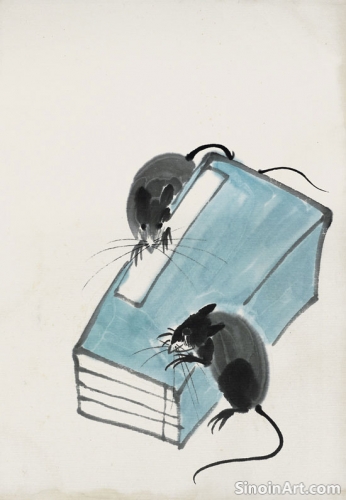 The use of dànmò can create a sense of distance, depth, and a delicate, ethereal quality, particularly in landscape paintings, allowing artists to capture the nuances of light, shadow, and atmosphere. The washes create a feeling of transparency and a hazy atmosphere that adds to the beauty of the Xieyi technique.  The dànmò technique requires a delicate touch, a mastery of the ink’s behavior, and a keen sense of control over the brush, allowing the artist to create subtle transitions and tonal gradations. The control of the dilution, and the application of the washes requires a great deal of focused practice. The subtleties in the washes are a testament to the skill of the artist. 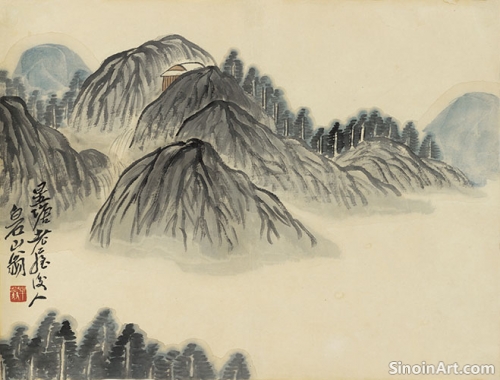 Light ink is not just used to create soft backgrounds; it can also be used to define forms and textures, layering washes to create volume and depth. The layering of the washes creates a feeling of substance and a rich visual texture. The careful application of layers is an essential aspect of the technique. The skillful application of dànmò adds a sense of subtlety, nuance, and a quiet beauty to Xieyi paintings, creating works that are both expressive and atmospheric. It is the ability to use such subtlety that makes the art form so powerful and moving. The washes add a sense of depth, calm, and tranquility to the composition. |
Tag : Light ink, Danmo, diluted ink, subtle washes, Xieyi technique
Related information
- The Use of "Broken Ink" in Xieyi
- Xieyi Painting and the Concept of 'Yi'
- Materials and Tools for Xieyi Painting
- Modern Interpretations and Contemporary Xieyi
- The Spiritual and Philosophical Dimensions of Xieyi
"Broken Ink" (pòmò) is a key technique in Xieyi painting, involving layering wet ink to create rich and varied tones, depth, atmosphere, and a sense of spontaneity, reflecting a controlled approach to the unpredictable nature of ink and water, adding visual texture and depth.
'Yi' is a central concept in Xieyi painting, referring to the inner intent, meaning, and spirit that the artist aims to convey, emphasizing intuitive expression, suggestive imagery, and the viewer's active participation in interpreting the artwork.
The four treasures of the study - brushes, ink, paper, and inkstone – are crucial tools for Xieyi painting. Each tool, from brush construction to paper absorbency, affects the ink application and contributes to the unique character of the artwork.
Modern Xieyi painting is adapting to contemporary contexts through incorporating new techniques, subject matter, and philosophical ideas, while remaining grounded in the core principles of spontaneity, expression, and the pursuit of qi, and pushing its boundaries into the modern art world.
Xieyi painting is deeply rooted in Chinese philosophy, particularly Daoism and Chan Buddhism, emphasizing the importance of spontaneity, mindfulness, the pursuit of qi or vital energy, and the spiritual significance of emptiness in art.