Xieyi and the Concept of Spontaneity
|
Spontaneity is a core principle of Xieyi painting, reflecting the emphasis on intuition, direct experience, and the expression of the artist's immediate feelings. The artist seeks to capture the essence of the subject in the moment, without overthinking or over-analyzing. This immediate approach is a reflection of the inner nature of the artist. 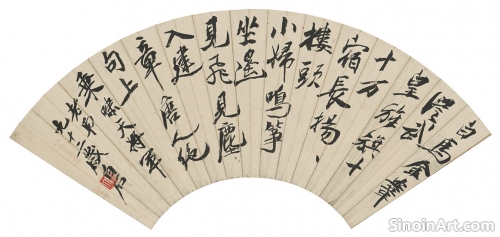 Unlike more meticulous styles of painting, Xieyi embraces the imperfections and accidents that can occur during the creative process. Rather than being seen as mistakes, these unexpected marks are often incorporated into the artwork, adding a sense of spontaneity and dynamism. The artist is encouraged to work with the moment, not against it. 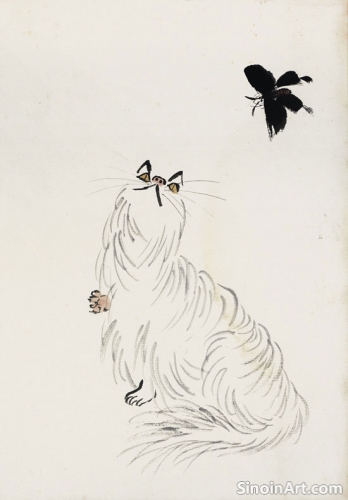 The idea of painting “in the moment” aligns with the principles of Chan (Zen) Buddhism, which emphasizes mindfulness and living in the present. The artist becomes fully present in the act of painting, allowing their intuition and inner feelings to guide their brushstrokes. The painting process becomes a form of meditation, a way to achieve a state of unity with the art. 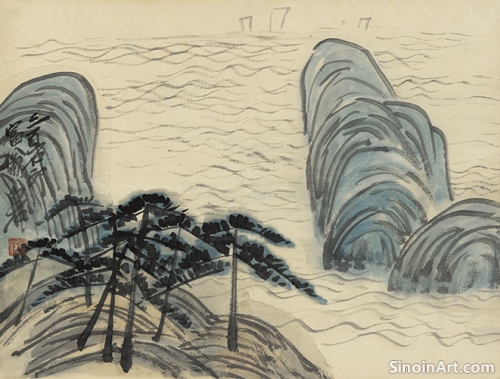 Spontaneity in Xieyi painting does not mean that it is random. It requires a deep understanding of brushwork, composition, and the nature of the materials. It requires confidence and skill. The artist's hand must be trained to translate their intentions into expressive marks on the paper. Spontaneity is only possible through preparation. The spontaneous nature of Xieyi paintings invites the viewer to experience the artwork in a fresh and immediate way. The brushstrokes retain their energy and vitality, conveying the artist's feelings and intentions. The viewer feels like they are a part of that creative moment. It’s a shared experience that transcends time. |
Tag : Spontaneity in art, intuitive painting, Chan and art, freehand technique, immediacy in art
Related information
- Materials and Tools for Xieyi Painting
- Xieyi Landscape Painting: Capturing the Spirit of Nature
- Learning Xieyi Painting: A Path of Practice
- The Significance of the Seal in Xieyi
- The Cultural Significance of Xieyi: Beyond Artistic Form
The four treasures of the study - brushes, ink, paper, and inkstone – are crucial tools for Xieyi painting. Each tool, from brush construction to paper absorbency, affects the ink application and contributes to the unique character of the artwork.
Landscape painting (山水画, shanshuihua) is a major theme in Xieyi, reflecting a deep reverence for nature. Artists seek not to replicate realistic views, but to capture the essence and spirit of the natural world. They aim to evoke a feeling of vastness, serenity, and harmony.
Learning Xieyi painting involves mastering basic brushstrokes, observation of nature, studying old masters, developing a personal style, and cultivating patience and persistence. It is a process that blends technical skill with personal growth and understanding.
The seal (yìn) is an essential component of Xieyi painting, serving as the artist's signature, authenticating the artwork, adding to its visual composition, and often expressing personal philosophy or tracing provenance, all within the context of Chinese artistic tradition.
This article explores the cultural significance of Xieyi painting, highlighting its connection to Daoist philosophy, Chinese values, artistic heritage, and its role in preserving and expressing Chinese cultural identity.