The Bronze Masks of Sanxingdui: Exploring Ritual, Transformation, and the Unseen Realm
|
The bronze masks discovered at Sanxingdui are some of the most enigmatic and fascinating artifacts from ancient China, showcasing a level of artistic skill and imaginative expression that is unique to the ancient kingdom of Shu. These masks, often featuring large, protruding eyes, stylized features, and unique forms, offer a powerful glimpse into the religious and ritualistic practices of this ancient culture. The power and mystery of these masks is a source of fascination for many who study ancient Chinese art. 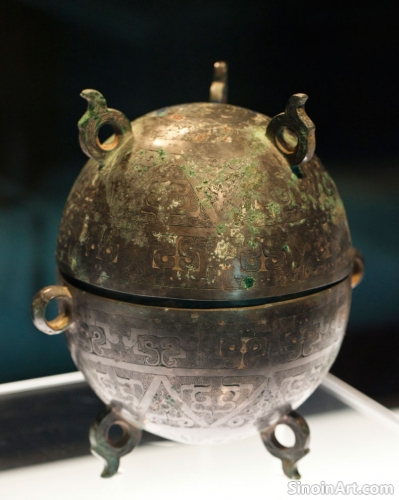 The sheer size of many of the Sanxingdui masks, some of which are life-sized or even larger, suggests their importance as ritual objects used to impress and transform the audience. The large scale of these objects helps to generate a sense of awe and wonder. The size of the masks emphasizes their spiritual significance.  The stylized features of the masks, such as the exaggerated eyes and ears, suggest a belief in the power of these objects to transcend the ordinary and to connect with the supernatural. The use of these exaggerated forms helps to create an otherworldly feel. The use of stylized features suggests a connection to the world beyond. 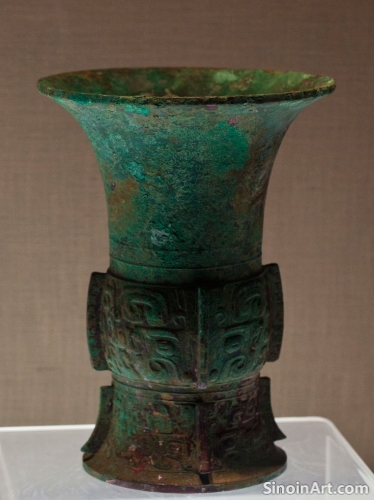 The act of wearing these masks in ritualistic performances may have allowed individuals to take on the identities of deities or spirits, transforming the wearers into intermediaries between the human and spiritual realms. The ritual use of these masks helped to create a bridge between the world of the living and the world beyond. These objects helped to create a spiritual connection to the divine. The study of the Sanxingdui bronze masks helps to understand the unique spiritual beliefs of the Shu civilization and their complex relationship with the unseen world. These objects provide a glimpse into a culture that was largely independent from the other major cultures of ancient China. The care taken in their creation helps to elevate these pieces to the status of major works of art. |
Tag : Sanxingdui masks, bronze ritual, ancient Shu culture, spiritual objects, Chinese archaeology
Related information
- The Use of Bronze in Ancient Chinese Transportation: Chariots and Fittings
- The Use of Bronze in Ancient Chinese Military Armor: Protection and Power on the Battlefield
- Bronze Vessels and Music Performance in Ancient China: A Multi-Sensory Experience
- Bronze Ware and Ancient Chinese Medicine: Tools and Beliefs About Health
- Bronze Ware and the Representation of Power in Ancient Chinese Royal Courts
This article explores the use of bronze in ancient Chinese transportation, particularly in the construction and decoration of chariots, emphasizing its role in enhancing strength, durability, visual appeal, and as a symbol of power and status.
This article explores the use of bronze in ancient Chinese military armor, highlighting the types of helmets and armor plating, and how bronze was used to provide both protection and power on the battlefield.
This article explores the combination of bronze vessels and music in ancient Chinese ritual performance, highlighting how these combined to create a multi-sensory experience that engaged both visual and auditory senses, and enhanced the power of ritualistic ceremonies.
This article explores the use of bronze in ancient Chinese medicine, highlighting the creation of surgical instruments, diagnostic tools, and vessels used for herbal remedies, and revealing the intersection of metallurgy and medical practices.
This article explores the use of bronze ware in ancient Chinese royal courts, highlighting its role in representing authority, wealth, and social status, demonstrating how bronze objects were used to reinforce the power of the ruling class.