Bronze Vessels and Music Performance in Ancient China: A Multi-Sensory Experience
|
The use of bronze vessels in ritual performances in ancient China was often complemented by music, creating a multi-sensory experience that engaged both the visual and auditory senses. The combination of bronze objects, music, and ritual performance helped to shape a powerful and compelling approach to religious and cultural events.  Bronze bells, chimes, and drums were often used in performances alongside bronze ritual vessels, creating a harmonious blend of sight and sound, further emphasizing the importance of ritual. The use of these different elements helped to create a uniquely engaging and immersive experience for the audiences. 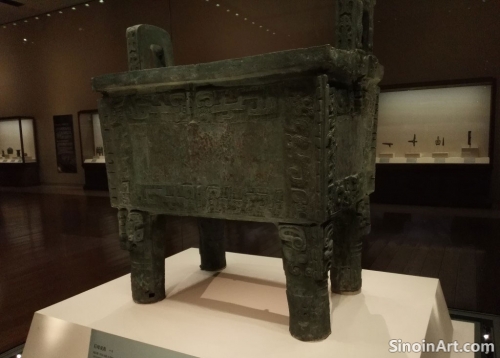 The rhythms and melodies of the music were often integrated with the symbolic language of bronze artifacts, reinforcing the overall message and purpose of the performance. The careful coordination of these elements helped to enhance the overall power and effectiveness of the ceremonies. 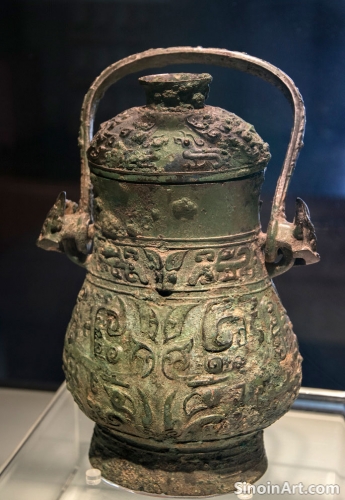 The study of these multi-sensory experiences highlights the importance of performance and ritual in ancient Chinese society, demonstrating how visual and auditory elements combined to create a sense of power, awe, and transcendence. The combination of different art forms helped to create experiences that were both highly meaningful and highly memorable. The study of bronze ware and its use in performance helps to further illuminate the multi-faceted nature of ancient Chinese culture, connecting both the art objects with their larger cultural context. The interplay of different art forms is a hallmark of ancient Chinese culture. The combination of art and music reveals a complex and highly sophisticated artistic tradition. |
Tag : bronze performance, ancient Chinese music, ritual sound, visual culture, multi-sensory art
Related information
- The Influence of Tang Dynasty Kaishu Calligraphy on Bronze Inscriptions
- The Development of Bronze Mirrors in the Han Dynasty: New Styles and Social Significance
- The Use of Bronze in Ancient Chinese Transportation: Chariots and Fittings
- The Legacy of Chinese Bronze Ware: Its Influence on Later Art Forms
- Bronze Ware and Ancient Chinese Mythology: Exploring the Interplay Between Myth, Art, and Ritual
This article explores the influence of Tang Dynasty Kaishu calligraphy on bronze inscriptions, highlighting how its elegant and structured forms impacted the style of carved characters and reflecting the artistic interplay between calligraphy and metalworking.
This article explores the development of bronze mirrors in the Han Dynasty, highlighting new styles, complex designs, their incorporation of cosmology, their role as status symbols, and the insights they offer into Han society.
This article explores the use of bronze in ancient Chinese transportation, particularly in the construction and decoration of chariots, emphasizing its role in enhancing strength, durability, visual appeal, and as a symbol of power and status.
This article explores the enduring legacy of Chinese bronze ware, highlighting its influence on later forms of Chinese art, including ceramics, painting, and sculpture, with particular emphasis on the enduring impact of bronze forms, motifs, and aesthetic principles.
This article explores the use of mythological imagery on Chinese bronze ware, highlighting the depiction of dragons, phoenixes, and other creatures, and how these motifs reflected ancient beliefs and helped to connect the earthly world with the spiritual realms.