The Use of Bronze in Ancient Chinese Military Armor: Protection and Power on the Battlefield
|
While bronze weapons were a key part of ancient Chinese warfare, bronze was also used to create a variety of protective armor for soldiers, ranging from helmets to body armor, highlighting the importance of both offense and defense in ancient military strategy. The combination of military theory and the use of advanced technologies helped to create a formidable fighting force. 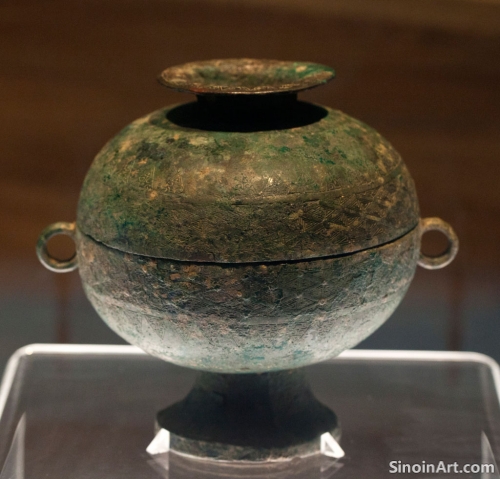 Bronze helmets, often carefully designed to protect the head and face, were essential pieces of armor for ancient Chinese soldiers, and were sometimes highly decorated to help identify rank and to convey status. The helmets often combined both functionality and artistic style. The quality of the materials and workmanship also helped to enhance the visual impact of the armor. 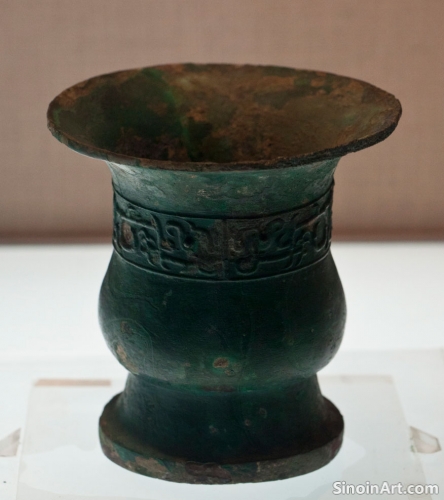 Bronze armor plates, often linked together to form protective garments, provided important protection for the body, while also allowing for a certain degree of flexibility and movement. The ability of bronze to provide both protection and mobility made it an ideal choice for military armor.  Bronze fittings were often added to leather and textile armor, enhancing its strength and reinforcing areas that were particularly vulnerable to attack. The strategic use of bronze to reinforce other materials helped to create more durable and more effective forms of armor. The combination of different materials was often essential to both functionality and protection. The use of bronze in armor reflects both the technical skill of ancient Chinese metalworkers and their deep understanding of military strategy and design. The careful combination of materials, styles, and function is a hallmark of this era of military innovation. The careful application of these principles helped to create a more effective military force. |
Tag : bronze armor, ancient Chinese military, battle protection, helmet design, armored warfare
Related information
- The Use of Bronze in Ancient Chinese Medicine: Exploring the Relationship Between Materials and Healing
- Bronze Vessels and the Concept of "Li" in Ancient China: Ritual Order and Social Harmony
- Bronze Ware and Ancient Chinese Mythology: Exploring the Interplay Between Myth, Art, and Ritual
- Bronze Ware and the Development of Ancient Chinese Trade Practices: Routes, Markets, and Exchange
- The Influence of Bronze Ware on Ancient Chinese Architecture: Decorative Elements and Structural Supports
This article explores the use of bronze in ancient Chinese medicine, highlighting the belief that the material itself possessed healing properties, and how it was used in creating vessels for preparing remedies, and in some therapeutic practices.
This article explores the connection between bronze vessels and the concept of li (禮) in ancient China, emphasizing how the proper use of vessels in rituals reinforced social order, hierarchy, and contributed to maintaining social harmony.
This article explores the use of mythological imagery on Chinese bronze ware, highlighting the depiction of dragons, phoenixes, and other creatures, and how these motifs reflected ancient beliefs and helped to connect the earthly world with the spiritual realms.
This article explores the role of bronze ware in the development of ancient Chinese trade practices, highlighting the emergence of trade routes, markets, and systems of exchange, and revealing its economic, social, and cultural impact.
This article explores the influence of bronze ware on ancient Chinese architecture, highlighting its use in decorative elements, structural supports, and other components that helped to enhance the beauty and functionality of ancient buildings.