The Bronze Bells of Ancient China: Harmony and Power in Sound
|
The bronze bells of ancient China, particularly those found in the Zhou Dynasty and later, were far more than mere musical instruments; they were powerful symbols of ritual, social hierarchy, and imperial authority. Their resonant tones filled temples, courts, and ceremonial grounds, adding a layer of both sonic beauty and symbolic meaning to these important events. The power and elegance of these bronze instruments helped to set the tone for official ceremonies. 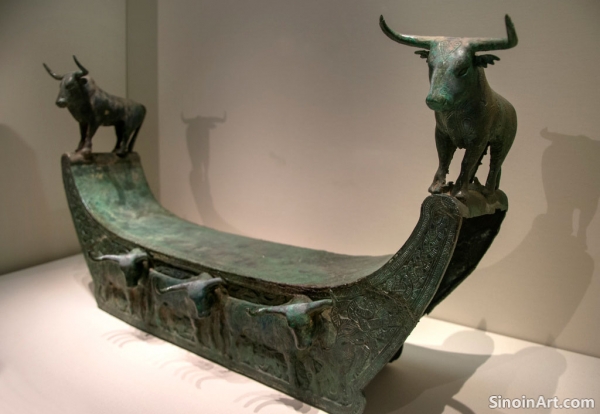 The crafting of bronze bells was a sophisticated undertaking, requiring precision casting and tuning methods. Artisans carefully molded and shaped each bell, ensuring that it produced the correct pitch and timbre. The careful tuning and production of these bronze instruments was a long and complex process. The skilled craftsmanship in these instruments continues to be admired today. 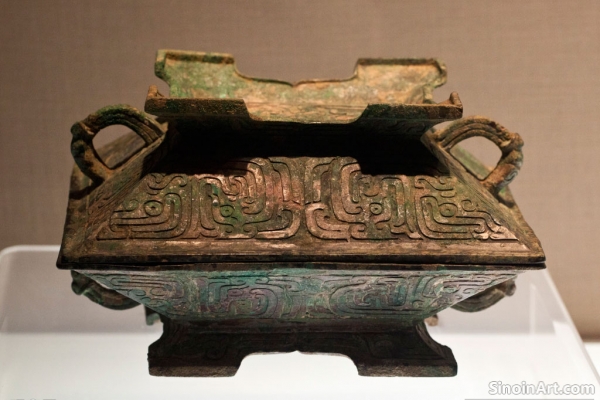 Sets of bronze bells, known as bianzhong (编钟), were often arranged in elaborate arrays, allowing for the performance of complex melodies. These bells, which come in many sizes and tonalities, were often carefully arranged to create an overall sense of harmony. The precision tuning of these bells highlights the sophistication of the metalworking techniques of the time. 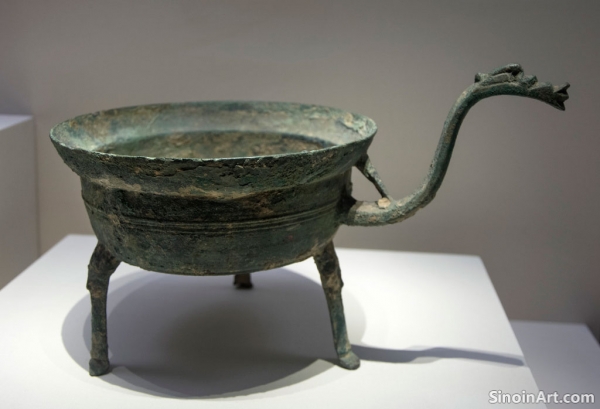 The use of bronze bells was closely associated with ritual and ceremony. They often accompanied dances, chants, and other forms of performance during important events, adding a layer of both sonic beauty and spiritual resonance. The sound of the bells helped to enhance the ritualistic and spiritual nature of the performance. The integration of the musical and visual aspects of a performance helped to create a powerful overall experience. The legacy of ancient Chinese bronze bells continues to resonate today, showcasing the ingenuity and artistic vision of the metalworkers, as well as the profound cultural importance of sound and harmony in Chinese culture. The study of these instruments provides insight not only into music but also ancient Chinese ritual and culture. |
Tag : Chinese bronze bells, bianzhong, Zhou Dynasty music, ancient instruments, ritual music
Related information
- Bronze Ware and the Representation of Power in Ancient Chinese Royal Tombs: Scale, Detail, and Symbolism
- The Discovery and Interpretation of New Bronze Ware Sites: Unveiling the Secrets of the Past
- The Ethical Considerations of Collecting and Studying Ancient Chinese Bronze Ware
- The Ethical Responsibilities of Museums in Displaying Chinese Bronze Ware: Context and Interpretation
- The Use of Bronze in Ancient Chinese Agriculture: Tools and Innovations
This article explores the use of bronze ware in ancient Chinese royal tombs, highlighting its role in conveying power and wealth, its use of scale and detail, its symbolic designs, and how these objects were intended to ensure the continued recognition of the deceased in the afterlife.
This article explores the ongoing discovery and interpretation of new bronze ware sites in China, highlighting the importance of archaeological excavations, new technologies for analysis, and the way these new insights are reshaping our understanding of the past.
This article examines the ethical considerations of collecting and studying ancient Chinese bronze ware, highlighting issues of provenance, cultural heritage, responsible research methods, and the need for careful stewardship of these irreplaceable artifacts.
This article explores the ethical responsibilities of museums in displaying Chinese bronze ware, highlighting the need for proper context, transparency about provenance, respect for cultural sensitivities, and the role of museums as stewards of cultural heritage.
This article explores the use of bronze in ancient Chinese agriculture, highlighting the types of tools and implements used, its role in enhancing agricultural productivity, and its impact on the development of ancient Chinese society.