The Ethical Considerations of Collecting and Studying Ancient Chinese Bronze Ware
|
The collection and study of ancient Chinese bronze ware present ethical considerations that should be carefully examined, including the issues of provenance, ownership, cultural heritage, and the responsibility to protect these important artifacts. The collection and study of these artifacts comes with a number of important ethical responsibilities. The ownership of cultural treasures is a complex issue that requires careful consideration.  Many ancient bronze objects have been acquired through looting, illegal excavations, or other unethical means, resulting in a loss of valuable archaeological context and damage to the cultural heritage of China. The illegal excavation and distribution of these objects is a significant problem for the study and preservation of these artifacts. The history of the works is inseparable from their cultural context. 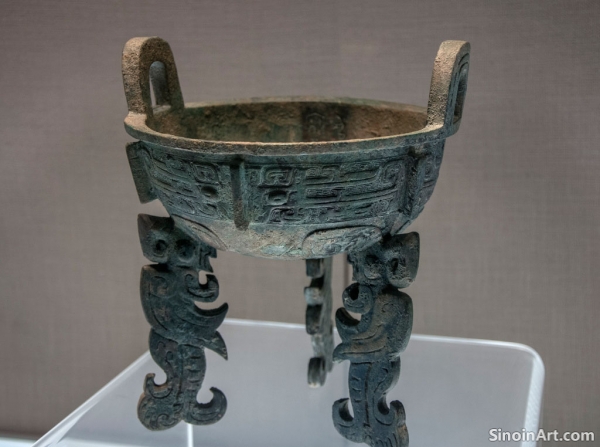 The responsible collection of bronze ware should involve careful scrutiny of provenance, documentation, and compliance with international laws and ethical guidelines. The provenance of each artifact should be clearly documented and verified. This also helps to verify the legitimacy of the acquisition.  The study of Chinese bronze ware should be conducted with respect for their cultural significance, giving preference to non-destructive methods of analysis and interpretations that promote intercultural understanding and sensitivity. The methods used in research and analysis must be carefully considered to ensure the long term preservation of the works of art. The preservation of bronze ware for future generations is of the utmost importance, and every effort should be made to ensure the proper care and stewardship of these irreplaceable cultural treasures. The proper care and preservation of these works of art is essential to ensure that they remain available for study for many years to come. |
Tag : bronze ethics, artifact collecting, cultural heritage, museum ethics, provenance
Related information
- Bronze Ware and the Development of Ancient Chinese Writing Styles: A Visual Record of Language Evolution
- Bronze Ware and the Representation of Power in Ancient Chinese Royal Courts
- Exploring Chinese Bronze Ware: A Guide for Beginners
- The Use of Bronze in Ancient Chinese Water Management Systems: Irrigation and Hydraulic Engineering
- The Role of Patronage in the Production of Tang Bronze Ware: Court and Aristocracy
This article explores how inscriptions on bronze ware provide a visual record of the evolution of ancient Chinese writing styles, highlighting the influence of the medium on script forms, layout, and the development of calligraphic principles.
This article explores the use of bronze ware in ancient Chinese royal courts, highlighting its role in representing authority, wealth, and social status, demonstrating how bronze objects were used to reinforce the power of the ruling class.
This article provides a guide for beginners to the study of Chinese bronze ware, outlining key periods, types of objects, common motifs, and providing a roadmap for a deeper exploration of this fascinating art form.
This article explores the use of bronze in ancient Chinese water management systems, highlighting its role in irrigation, hydraulic engineering, and the creation of tools and components that helped to control and manage water resources for agriculture.
This article explores the role of patronage in the production of Tang Dynasty bronze ware, highlighting how the imperial court and aristocracy commissioned objects, influencing the style, types, and uses of these artifacts.