The Discovery and Interpretation of New Bronze Ware Sites: Unveiling the Secrets of the Past
|
Ongoing archaeological discoveries continue to reveal new bronze ware sites in China, each providing valuable insights into the artistic, technological, and cultural practices of the ancient world. The uncovering of these sites helps to reshape our understanding of the history of ancient China. Each new discovery offers a glimpse into previously unknown aspects of past culture and tradition.  The excavation of new sites is a complex process that requires careful planning, documentation, and collaboration between archaeologists, historians, and other experts, as well as careful attention to the cultural and historical context of each object as it is unearthed. The care taken in uncovering these sites ensures that a maximum amount of knowledge can be gleaned from them. 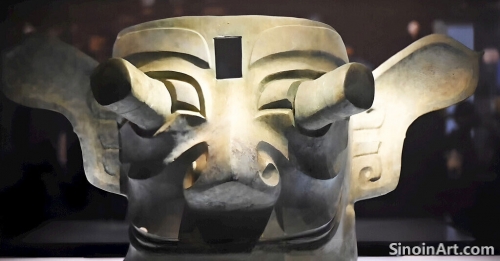 The analysis of new bronze artifacts, combined with detailed archaeological context, can help to answer questions about the daily life, beliefs, and technologies of the people who created these objects. The analysis of artifacts, in combination with the context of their discovery, helps to build a more comprehensive understanding of the past. These new discoveries also allow us to continue to reassess what we believe we know about ancient Chinese culture. 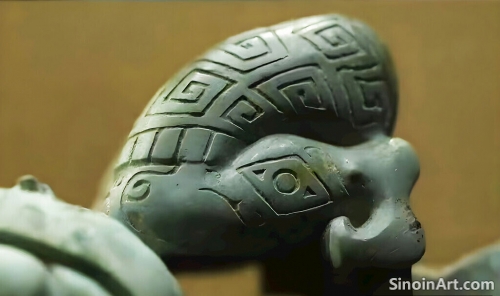 New technologies are helping to enhance the analysis of bronze artifacts, allowing for a greater understanding of material composition, casting techniques, and the stylistic and cultural influences on the work. The use of new technologies continues to expand our knowledge and to provide new insights into the past. The ongoing discoveries and research in the area of ancient Chinese metalworking help to continue to expand our understanding of this fascinating art form. The careful study of new archaeological sites is helping to reshape and redefine our understanding of ancient Chinese culture. |
Tag : bronze discoveries, archaeological sites, Chinese excavations, artifact analysis, research methods
Related information
- The Symbolism in Chinese Bronze Ware: Decoding the Motifs and Patterns
- Bronze Ware and the Development of Ancient Chinese Writing: Scripts, Inscriptions, and the Communication of Ideas
- Beyond Bronze: Other Materials Used in Conjunction with Bronze Ware
- The Influence of Bronze Ware on Ancient Chinese Clothing and Adornment: Jewelry, Belt Hooks, and Ornaments
- The Role of Bronze in Ancient Chinese Communication: Inscriptions, Messages, and Records
This article explores the symbolism in Chinese bronze ware, decoding the meaning of the taotie and other motifs, and demonstrating how these designs reflected the religious beliefs, social values, and worldview of ancient China.
This article explores the connection between bronze ware and the development of ancient Chinese writing, highlighting the evolution of script styles through inscriptions, the importance of writing as a medium for record-keeping and communication, and the role of bronze in shaping the development of written language.
This article explores the materials used in conjunction with bronze ware in ancient China, highlighting the use of jade, bone, shell, and wood to create more complex and multifaceted objects, showcasing the versatility of ancient craftsmanship.
This article explores the use of bronze in ancient Chinese clothing and adornment, highlighting the creation of jewelry, belt hooks, buckles, and other decorative elements, and demonstrating the integration of art, fashion, and social expression.
This article explores the role of bronze in ancient Chinese communication, highlighting how bronze objects were used to record messages, transmit laws, document events, and how they served as a medium for communication and knowledge transmission.