The Ethical Responsibilities of Museums in Displaying Chinese Bronze Ware: Context and Interpretation
|
Museums bear a significant ethical responsibility in the display of Chinese bronze ware, requiring them to present these objects with a full understanding of their historical context, cultural significance, and the complex issues of ownership and provenance. The manner in which these objects are displayed must be carefully considered to enhance their accessibility, and to also maintain the original power and importance of the pieces. 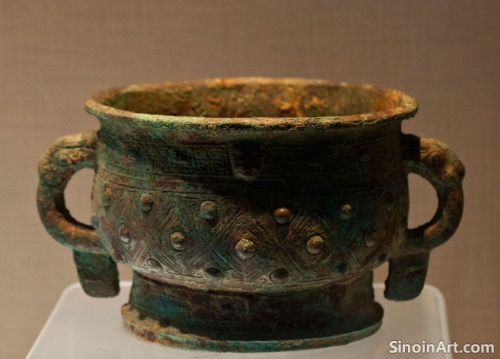 Museums have a responsibility to research and present the historical context of each bronze artifact, providing information about its origins, function, and cultural significance. The careful inclusion of historical and cultural context is essential to providing the pieces with appropriate meaning and relevance. This approach is vital to presenting these pieces ethically.  Museums must also be transparent about the provenance of their bronze collections, revealing any information about their acquisition, including details of any illegal or unethical practices that may have been involved in their journey to the museum. The responsible acquisition and display of these artifacts is essential to their proper and ethical use in a museum setting. 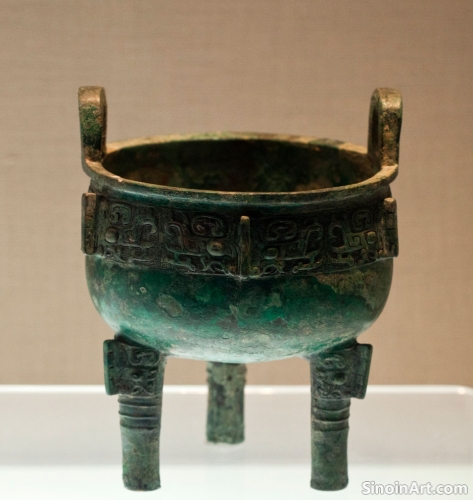 The display of bronze ware should respect the cultural sensitivities of the cultures that produced these pieces, avoiding any misrepresentation or misinterpretation of their purpose and symbolism. The presentation of these objects must be carefully considered and executed to ensure that the proper and appropriate meanings are brought to light. The ethical display of Chinese bronze ware requires museums to recognize their role as stewards of cultural heritage and to promote an understanding and appreciation of these artifacts that reflects the diverse perspectives and experiences of all who engage with them. The careful management of these cultural treasures will help to ensure their preservation and proper display for generations to come. |
Tag : museum ethics, bronze display, cultural sensitivity, provenance, responsible collecting
Related information
- The Influence of Bronze Ware on Ancient Chinese Music Theory and Practice
- Bronze Ware and the Development of Ancient Chinese Music Theory: The Use of Scales, Intervals, and Tuning
- Bronze Ware and the Development of Ancient Chinese Calendar Systems: Marking Time and Ritual Cycles
- Bronze Ware and the Ancient Chinese Understanding of Material Science: Alloys, Properties, and Applications
- The Symbolic Use of Bronze in Ancient Chinese Tombs: Expressing Status and Power in the Afterlife
This article explores the influence of bronze ware on ancient Chinese music theory and practice, highlighting the role of bronze instruments like bells and chimes in shaping musical scales, performance styles, and the spiritual aspects of music.
This article explores the influence of bronze ware on the development of ancient Chinese music theory, focusing on how the precise tuning of instruments led to a greater understanding of scales, intervals, harmony, and the overall structure of musical forms.
This article explores the use of bronze in ancient Chinese calendar systems, highlighting its role in creating timekeeping devices like sundials, tracking the passage of time, and linking calendars to both agricultural and ritual cycles.
This article explores the connection between bronze ware and ancient Chinese material science, highlighting the understanding of alloys, their properties, and their applications, and demonstrating the technical expertise of the ancient metalworkers.
This article explores the symbolic use of bronze in ancient Chinese tombs, highlighting how the presence, quantity, and arrangement of bronze objects were used to express the deceased's social status, wealth, power, and their anticipated position in the afterlife.