The Use of Bronze in Ancient Chinese Agriculture: Tools and Innovations
|
While not as widely recognized as its use in warfare or ritual, bronze also played a role in ancient Chinese agriculture, with various tools and implements being created from this durable and versatile material. The use of bronze in agriculture highlights the important role that technology played in the development of ancient Chinese society. The integration of technology into agricultural practices helped to improve productivity and efficiency.  Bronze was used to create various agricultural tools, such as plows, hoes, and sickles, which would have been more effective and durable than earlier tools made from wood or stone. The use of bronze helped to improve the effectiveness of these tools and to allow for a higher yield from the fields. The innovations in tool design were key elements in the overall advancement of Chinese agriculture. 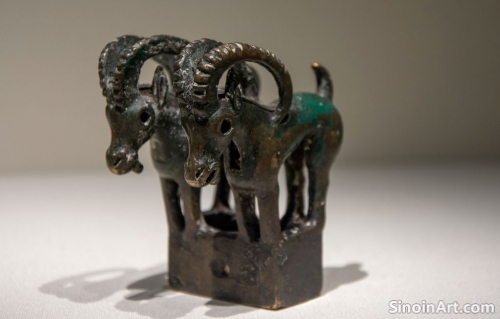 Bronze was also used to create implements for irrigation, such as pipes and valves, which helped to enhance water management and promote agricultural productivity. The use of these bronze implements helped to create a more reliable water supply, which was key to successful farming. The use of bronze in irrigation helped to improve the efficiency and reliability of food production. 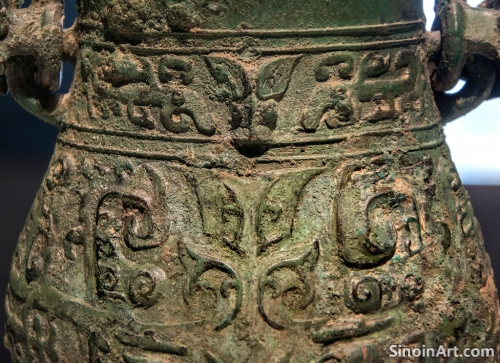 The introduction of bronze tools and implements marked a significant step forward in ancient Chinese agricultural practices, helping to increase crop yields and support a growing population. The technological innovations of the era helped to make agricultural practices more efficient and reliable. The study of bronze in agriculture highlights the interplay between technology and societal development, showcasing how the material helped to shape the economic and social structures of ancient China. The careful study of agricultural implements reveals a wealth of information about the ancient Chinese economy. |
Tag : bronze agriculture, ancient tools, Chinese farming, agricultural technology, ancient economy
Related information
- The Use of Bronze in Ancient Chinese Religious Practices: Temple Offerings and Sacred Spaces
- The Symbolic Significance of Bronze in Ancient Chinese Power Structures: Ritual, Authority, and Legitimacy
- The Production and Use of Bronze in the Ancient Kingdom of Shu: The Uniqueness of Sanxingdui
- Bronze Ware and Ancient Chinese Textile Production: Spindle Whorls, Weaving Tools, and Textile Art
- The Influence of Bronze Ware on the Development of Chinese Calligraphy: Forms, Styles, and Materials
This article explores the use of bronze in ancient Chinese religious practices, highlighting its role in creating temple offerings, musical instruments, and other objects used to create sacred spaces and to facilitate communication with the divine.
This article explores the symbolic significance of bronze in ancient Chinese power structures, highlighting its role in ritual practices, its symbolism of authority and legitimacy, and its use by rulers to consolidate political control.
This article explores the bronze ware of the ancient kingdom of Shu, highlighting the unique artifacts discovered at Sanxingdui, the distinct casting techniques, and the cultural significance of this powerful and largely independent civilization.
This article explores the use of bronze in ancient Chinese textile production, highlighting its role in creating spindle whorls, weaving tools, decorative elements, and the interplay between metalworking and textile crafts.
This article explores the reciprocal influence between bronze ware and the development of Chinese calligraphy, highlighting how bronze inscriptions shaped early forms of writing, established foundational principles, and contributed to the overall evolution of calligraphic styles.