The Archaeological Significance of Chinese Bronze Ware: Discoveries and Insights
|
Chinese bronze ware is not only a valuable source of artistic expression but also an important resource for archaeological research. The study of these artifacts provides critical insights into the history, society, and technology of ancient China. The careful study of these artifacts helps to broaden our understanding of the ancient world. 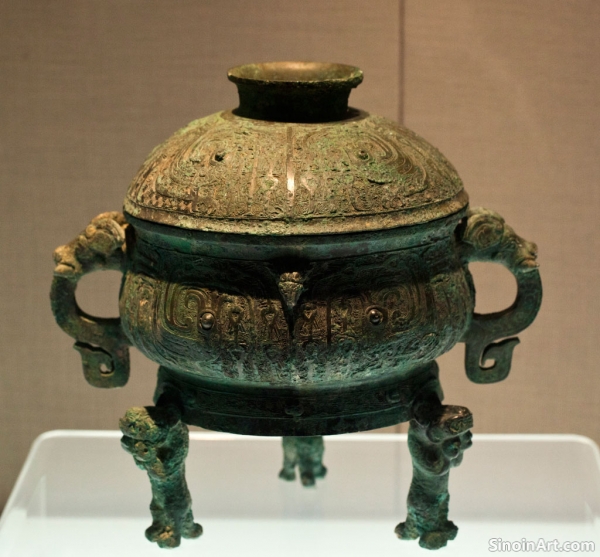 Archaeological excavations at sites such as Anyang, Erlitou, and Sanxingdui have yielded a wealth of information about the production, use, and meaning of Chinese bronze ware. These excavations provide invaluable data for understanding the different cultures of ancient China. The process of archeological discovery has helped us to better understand the ancient world.  The analysis of bronze ware provides valuable insights into the social structures, political organization, and religious beliefs of the ancient Chinese. The careful study of these items allows us to draw conclusions about the culture that produced them. The artifacts provide a direct link to the minds and values of people who lived long ago. 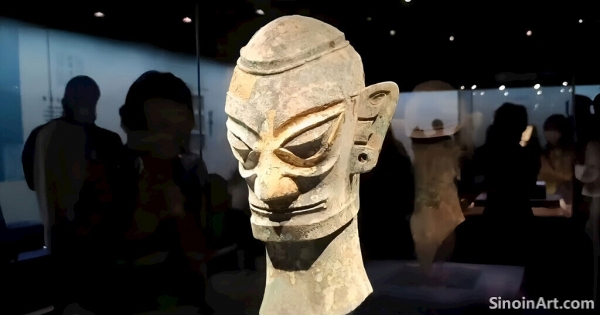 Archaeological research on bronze ware also contributes to our understanding of ancient metallurgy, trade networks, and cultural interactions. The study of these objects helps to paint a full and comprehensive picture of the past. The artifacts offer insight into trade, technology, and social interactions. The continued study of Chinese bronze ware helps to reconstruct the history of early China, providing a fuller and more nuanced understanding of the complex and fascinating civilizations of the ancient world. The ongoing study of these artifacts offers a continuing link to the past. The careful study of these works is a vital component in understanding ancient China. |
Tag : Chinese bronze archaeology, archaeological discoveries, Anyang, Erlitou, Sanxingdui
Related information
- The Evolution of Bronze Vessel Forms in Ancient China: From Simplicity to Complexity and Back Again
- The Influence of Tang Dynasty Culture on the Design and Decoration of Bronze Ware
- Bronze Ware and the Representation of Authority: Imperial Symbols and Power
- The Symbolic Importance of Bronze Animals in Ancient China: Power, Protection, and the Supernatural
- The Use of Bronze in Ancient Chinese Transportation: Bridges, Road Components, and Infrastructure
This article explores the evolution of bronze vessel forms in ancient China, highlighting the shift from simple early shapes to more complex and ornate designs, and then later, a move back to simpler forms, reflecting changes in technology, aesthetics, and cultural practices.
This article explores the influence of Tang Dynasty culture on bronze ware, highlighting new forms, decorative techniques, and their shift toward more refined and elegant designs that reflect the style of the period, and its focus on elegance and beauty.
This article explores the representation of authority in Chinese bronze ware, highlighting the use of symbols, emblems, weapons, and other objects to demonstrate imperial and elite power, and the connections between material culture, political ideology, and the assertion of control.
This article explores the symbolic importance of bronze animals in ancient China, highlighting how different creatures, both real and mythical, were used to convey messages about power, protection, and the supernatural, and reflecting the complex worldview of the time.
This article explores the use of bronze in ancient Chinese transportation infrastructure, highlighting its role in the creation of bridges, road supports, measuring tools, and other components, and demonstrating its importance in large-scale engineering projects.