The Use of Bronze in Ancient Chinese Transportation: Bridges, Road Components, and Infrastructure
|
While bronze is often associated with objects of ritual and warfare, its use extended to the creation of elements in ancient Chinese transportation systems. Bronze was used to create components for bridges, road supports, and other elements of infrastructure, highlighting its value in large-scale engineering projects. The use of bronze in infrastructure helped to connect different regions of the country and to further promote trade and travel.  Bronze was sometimes used to create bridge components, including support beams, decorative railings, and other structural elements, enhancing both the strength and visual appeal of these important crossings. The careful use of bronze to create bridge components helped to enhance their both function and durability. These components were an essential element in the design and long term effectiveness of bridges. 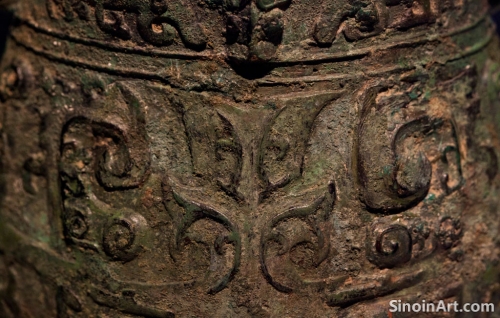 Bronze was also used to create measuring tools and surveying instruments that were essential for mapping roads, planning routes, and the construction of infrastructure elements that helped to make travel more reliable and more effective. These instruments helped to create a more standardized and reliable infrastructure system. 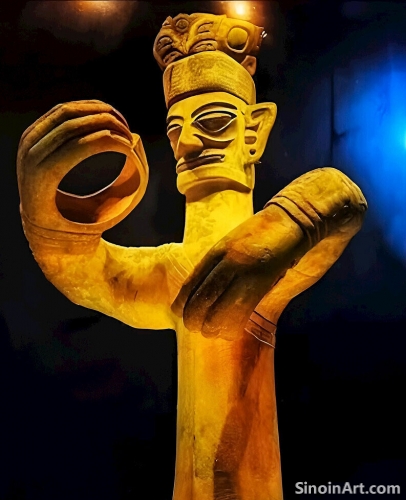 The use of bronze in various components of transportation infrastructure is a testament to the technical expertise of ancient Chinese engineers and also the importance of trade and travel. The precise engineering skills of the ancient world are clearly visible in the durable and well-planned design of these systems. The use of bronze made these projects possible and helped to shape the political and economic landscape of ancient China. |
Tag : bronze transportation, ancient bridges, road components, Chinese infrastructure, engineering
Related information
- Bronze Ware and Ancient Chinese Medical Practices: The Use of Instruments in Surgery and Healing
- Bronze and the Development of Early Chinese Astronomy: Tools of Observation and Understanding
- Bronze Ware and the Development of Ancient Chinese Calendar Systems: Marking Time and Ritual Cycles
- The Use of Bronze in Ancient Chinese Military Armor: Protection and Power on the Battlefield
- Bronze Ware and Ancient Chinese Law: Authority, Justice, and Codification
This article explores the use of bronze in ancient Chinese surgical and medical practices, highlighting the creation of scalpels, needles, forceps, and other tools, and revealing the sophistication of ancient Chinese medical techniques.
This article explores the use of bronze in ancient Chinese astronomy, highlighting the creation of astronomical instruments such as armillary spheres and sundials, and demonstrating how these objects facilitated the observation and understanding of the universe.
This article explores the use of bronze in ancient Chinese calendar systems, highlighting its role in creating timekeeping devices like sundials, tracking the passage of time, and linking calendars to both agricultural and ritual cycles.
This article explores the use of bronze in ancient Chinese military armor, highlighting the types of helmets and armor plating, and how bronze was used to provide both protection and power on the battlefield.
This article explores the use of bronze in ancient Chinese law, highlighting its role in codifying legal principles, disseminating decrees, and symbolizing judicial authority, revealing the interconnectedness of law, power, and material culture.