The Evolution of Bronze Vessel Forms in Ancient China: From Simplicity to Complexity and Back Again
|
The forms of ancient Chinese bronze vessels underwent a significant evolution over time, reflecting changes in ritual practices, technological capabilities, and aesthetic preferences. The development of vessel forms highlights the dynamic and changing nature of ancient Chinese art. The forms and shapes of these vessels are often reflective of the time and the culture that produced them. The history of bronze vessels is a history of cultural and artistic evolution.  Early bronze vessels were often simple in form, with clean lines, basic geometric patterns, and functional designs. These early vessels often reflected the basic needs of the time and the limitations of early bronze working techniques. As techniques advanced, the forms and designs became more intricate and elaborate. 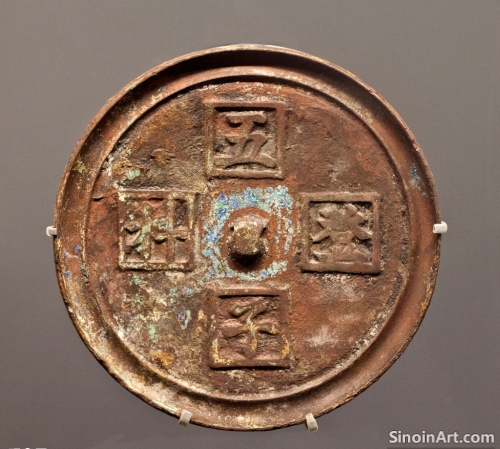 During the Shang and Zhou dynasties, bronze vessels became more complex, with a variety of new forms, decorative motifs, and symbolic designs being developed for different ritual and ceremonial practices. The peak of bronze working techniques and artistic styles can be seen in many of the objects from this period. 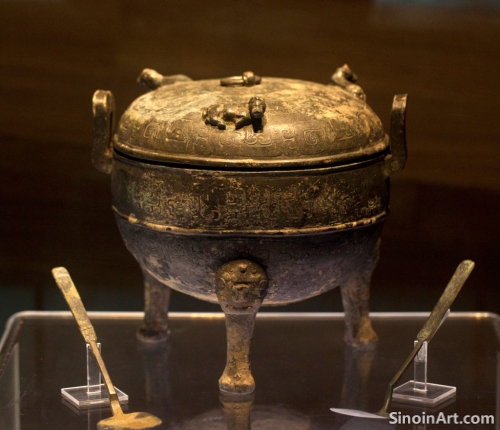 Later periods often saw a move back towards simpler forms, reflecting a change in both artistic taste and cultural practices, as well as the influence of new technologies and approaches. The evolution of bronze vessel styles is a testament to the dynamic and evolving nature of ancient Chinese art. The study of bronze vessel forms provides a unique window into the history of ancient Chinese art, highlighting the complex interplay between functionality, symbolism, and creative expression. The careful study of these forms helps to illuminate the ways that culture and tradition have influenced artistic expression throughout Chinese history. |
Tag : bronze vessel forms, Chinese art evolution, ritual objects, design history, ancient pottery
Related information
- Bronze Mirrors and the Concept of "Face" in Ancient Chinese Society: Identity and Social Status
- The Use of Bronze in Ancient Chinese Musical Instruments: Stringed Instruments and Percussion
- Bronze Ware and the Representation of Power in Ancient Chinese Royal Tombs: Scale, Detail, and Symbolism
- A Guide to Further Study: Navigating the World of Chinese Bronze Ware Resources
- Bronze Weights and Measures in Ancient China: Standardization and Trade
This article explores the connection between bronze mirrors and the concept of "face" (mianzi) in ancient China, highlighting how mirrors were used to manage social image, convey respect, and reflect the importance of social status both in life and after death.
This article explores the diverse use of bronze in ancient Chinese musical instruments, highlighting its role in creating components for stringed instruments, percussive elements, and how it shaped the musical landscape of ancient China beyond bells and chimes.
This article explores the use of bronze ware in ancient Chinese royal tombs, highlighting its role in conveying power and wealth, its use of scale and detail, its symbolic designs, and how these objects were intended to ensure the continued recognition of the deceased in the afterlife.
This article provides a guide to further study on Chinese bronze ware, highlighting academic journals, museum websites, online collections, and books, and providing a roadmap for continued exploration and research into this fascinating area of art and culture.
This article explores the use of bronze for weights and measures in ancient China, highlighting the importance of standardization, fair trade practices, and the role these artifacts played in facilitating commerce across the empire.