The Symbolic Importance of Bronze Animals in Ancient China: Power, Protection, and the Supernatural
|
Beyond the taotie and mythical creatures, bronze animals in ancient China served as more than just decorations; they often embodied specific symbolic meanings related to power, protection, and the supernatural. The inclusion of specific animals on these pieces often reflected the values and beliefs of the cultures and social groups that created them. The use of animal figures helped to imbue these objects with both practical and also spiritual purpose.  Depictions of real-world animals, such as horses, oxen, sheep, and birds, often held symbolic meanings related to prosperity, fertility, and the natural world. These animal representations often connected the mundane world with the larger cycles of nature. The use of animals in the design of bronze works often highlights the important relationships between humans and the natural world. 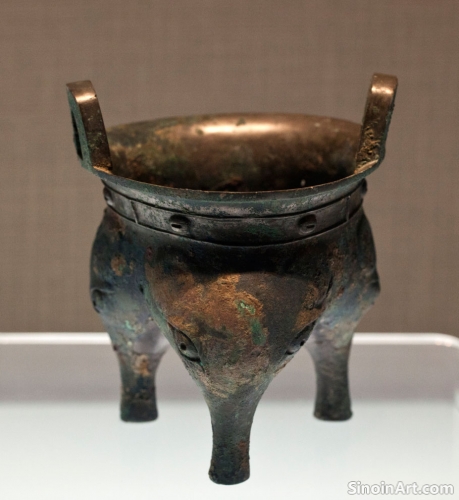 Mythical beasts, such as dragons, phoenixes, and qilin (麒麟), were also frequently used, often symbolizing divine authority, good fortune, and spiritual power. These mythical beasts also helped to create a stronger connection with the otherworldly. These fantastical beasts were also key elements in the ancient Chinese understanding of the spiritual realms.  The placement and use of bronze animals, whether they were used as vessel decorations or as standalone objects, often reflected their specific symbolic meanings and their role in rituals and ceremonies. The careful arrangement and use of these pieces is a testament to their underlying importance. The selection and placement of these symbols was not accidental. The study of bronze animals provides valuable insights into ancient Chinese cosmology, beliefs about nature, and the complex interplay between the seen and unseen worlds. The careful study of animal symbols allows us to gain new insight into the minds of the people who created these works of art. |
Tag : bronze animal symbols, ancient Chinese mythology, animal art, ritual figures, bronze beasts
Related information
- The Development of Bronze Mirrors in the Han Dynasty: New Styles and Social Significance
- The Use of Bronze in Ancient Chinese Food Preparation and Dining: Utensils and Vessels
- The Influence of Bronze Ware on the Development of Ancient Chinese Military Strategy and Tactics
- The Influence of Shang Dynasty Bronze Ware on Later Chinese Art Forms: Motifs, Techniques, and Symbolism
- A Guide to Further Study: Navigating the World of Chinese Bronze Ware Resources
This article explores the development of bronze mirrors in the Han Dynasty, highlighting new styles, complex designs, their incorporation of cosmology, their role as status symbols, and the insights they offer into Han society.
This article explores the use of bronze in ancient Chinese food preparation and dining, highlighting the creation of cooking pots, serving utensils, and tableware, and demonstrating how bronze was integrated into both daily life and social customs.
This article explores the influence of bronze ware on ancient Chinese military strategy and tactics, highlighting its role in the development of weapons, armor, chariots, and how these technologies transformed the nature of ancient warfare.
This article explores the lasting influence of Shang Dynasty bronze ware on later Chinese art, highlighting the enduring power of the taotie motif, the technical legacy of Shang casting methods, and their impact on subsequent artistic styles and symbolic vocabularies.
This article provides a guide to further study on Chinese bronze ware, highlighting academic journals, museum websites, online collections, and books, and providing a roadmap for continued exploration and research into this fascinating area of art and culture.