Sancai Glazes: A Tang Dynasty Innovation
|
The three-color (sancai) glazes are perhaps the most recognizable and celebrated innovation of Tang Dynasty ceramics. These lead-based glazes, in shades of green, amber, and cream, were used to decorate a wide range of objects, from tomb figures to everyday vessels. Sancai represents a major development in the world of ceramics. 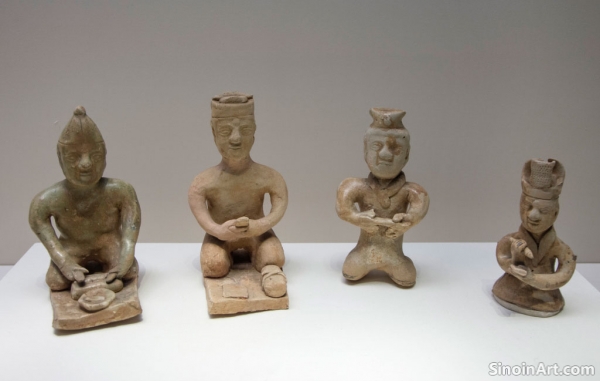 The application of sancai glazes involved a complex process of carefully applying different glazes to the pottery body and then firing it at a relatively low temperature. The way the glazes mixed and flowed created a distinctive, variegated effect. Each piece is unique in its distribution of colors.  The colors of sancai glazes are derived from metallic oxides added to the lead-based frit. The green color is created by adding copper, the amber color by adding iron, and the cream color by the base lead glaze itself. The combination of these colors together is the hallmark of the sancai glaze.  Sancai wares were not only decorative but also functional. They were used for burial goods, household items, and even architectural elements. The versatility of sancai made it a key part of the ceramic production of the Tang era. These pieces served many purposes both in life and in death. The enduring appeal of sancai lies in its vibrant colors, its unique textures, and its reflection of the cosmopolitan spirit of the Tang Dynasty. Sancai wares are an instantly recognizable icon of the Tang dynasty. The beauty and complexity of sancai ware remains highly prized today. |
Tag : Sancai glazes, Tang Dynasty pottery, Chinese ceramics, Three-color pottery, Lead glazes
Related information
- The Enduring Legacy of Tang Dynasty Ceramics
- The Economic Importance of Tang Ceramic Production
- Collecting and Appreciating Tang Ceramics Today
- The Influence of Foreign Cultures on Tang Ceramics
- Technological Advances in Tang Kilns
The ceramic art of the Tang Dynasty represents a peak in Chinese ceramic history, leaving an enduring legacy that continues to inspire artists, collectors, and scholars today. The innovative techniques, vibrant colors, and elegant forms of Tang wares established a new standard for ceramic production, influencing subsequent generations of potters both in China and around the world.
Tang Dynasty ceramic production was economically significant, providing employment, fostering trade both domestically and internationally, and contributing significantly to the empire’s wealth, thereby stimulating economic growth.
Tang Dynasty ceramics are highly valued by collectors and museums for their historical significance, artistic beauty, and technical innovation, requiring a detailed understanding for informed collecting and appreciation of these important cultural artifacts.
The Tang Dynasty’s openness to international exchange significantly influenced its ceramics, evident in the adoption of foreign patterns, vessel forms, and decorative techniques, reflecting the cosmopolitan spirit of the era.
Tang Dynasty advancements in kiln technology, such as high-firing kilns and lead glaze control, enabled potters to produce a greater variety of higher-quality ceramics, significantly influencing later ceramic traditions.