Burial Goods and the Afterlife in Tang Ceramics
|
The Tang Dynasty saw the flourishing of an elaborate burial culture, with ceramics playing a central role in equipping the deceased for the afterlife. These funerary wares, from everyday objects to elaborate figurines, offer a fascinating glimpse into Tang beliefs about death, the spirit world, and the continuation of earthly life in another realm. These burial goods were not just functional; they were imbued with symbolic meaning and designed to ensure the comfort and prosperity of the deceased. 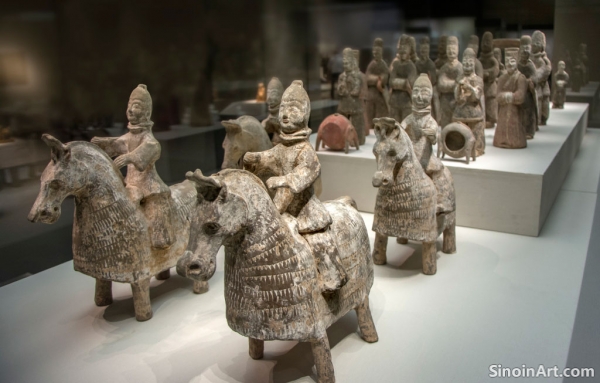 One of the most striking aspects of Tang burial ceramics is the variety and quantity of objects placed in tombs. From simple bowls and dishes intended for use in the afterlife to miniature models of houses, granaries, and even entire estates, Tang tombs were often filled with a vast array of ceramic goods. These objects reflected the status and wealth of the deceased and were meant to provide them with all the necessities they would need in their next life. 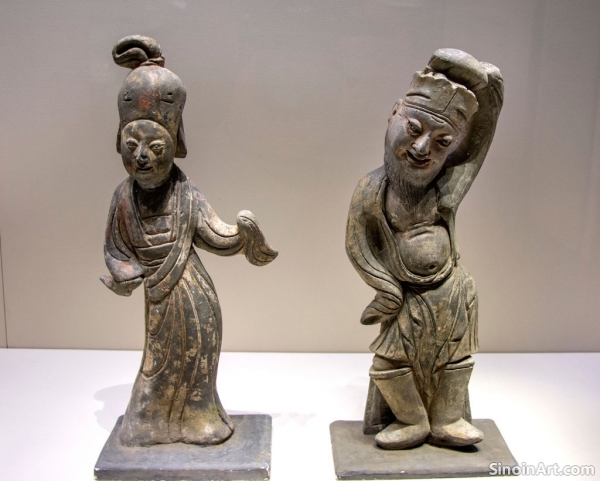 Figurines were another significant category of Tang burial ceramics. These figures, often made of sancai glazed earthenware, included depictions of court ladies, officials, soldiers, servants, and animals, particularly horses and camels. These figurines were not just static representations; they were often rendered with dynamic postures and expressive features, bringing the scene to life. The attention to detail in the clothing and accessories provided valuable insights into the daily life of the Tang Dynasty. 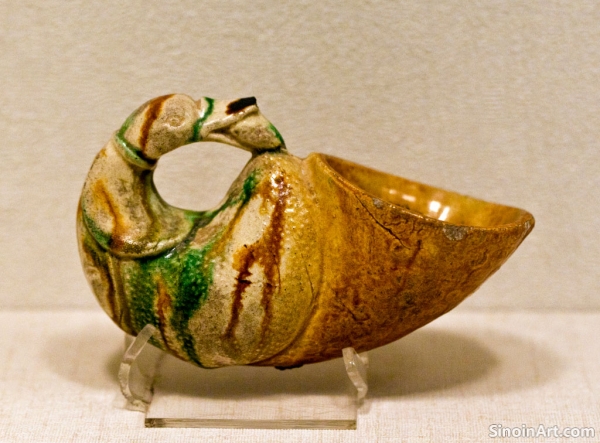 The inclusion of guardian figures in tombs further demonstrates Tang beliefs about the afterlife. These figures, often depicted as mythical beasts or fierce-looking warriors, were placed to protect the deceased from evil spirits. Their imposing presence highlights the belief that death was not the end but a transition to another existence that required protection and guidance. This emphasis on spiritual safeguards underlines the importance of funerary rituals in Tang society. The artistic quality and sheer abundance of Tang burial ceramics testify to the importance of these objects in funerary practices. They were not merely functional items; they were imbued with cultural and spiritual significance. These remarkable artifacts provide a valuable window into the beliefs, customs, and artistic achievements of the Tang Dynasty and underscore the vital role ceramics played in shaping their view of the afterlife. |
Tag : Tang Dynasty burial goods, Chinese funerary ceramics, tomb figurines, afterlife pottery, ancient Chinese tomb art
Related information
- The Vibrant World of Tang Ceramics: An Overview
- Sancai Ware: A Symphony of Three Colors
- The Enduring Legacy of Tang Dynasty Ceramics
- The Influence of Foreign Cultures on Tang Ceramics
- Technological Advances in Tang Kilns
Tang Dynasty ceramics (618-907 AD) are characterized by vibrant colors, diverse forms, and innovative techniques, most notably three-color (sancai) glazes, reflecting the prosperity and cultural exchange of the era.
Sancai, meaning “three-color” in Chinese, is perhaps the most iconic ceramic ware of the Tang Dynasty. These vibrant and richly glazed pieces are instantly recognizable for their combination of green, amber, and cream or straw-yellow glazes. While the term suggests a limited palette, the actual range of colors could vary, sometimes incorporating blues and purples, creating a dazzling visual spectacle. Sancai ware wasn’t just about color; it was a bold statement of Tang aesthetics and technical prowess.
The ceramic art of the Tang Dynasty represents a peak in Chinese ceramic history, leaving an enduring legacy that continues to inspire artists, collectors, and scholars today. The innovative techniques, vibrant colors, and elegant forms of Tang wares established a new standard for ceramic production, influencing subsequent generations of potters both in China and around the world.
The Tang Dynasty’s openness to international exchange significantly influenced its ceramics, evident in the adoption of foreign patterns, vessel forms, and decorative techniques, reflecting the cosmopolitan spirit of the era.
Tang Dynasty advancements in kiln technology, such as high-firing kilns and lead glaze control, enabled potters to produce a greater variety of higher-quality ceramics, significantly influencing later ceramic traditions.