Regional Styles of Bronze Ware: Exploring the Diversity of Ancient China
|
While a general style of bronze working existed across ancient China, there were significant regional variations, with different areas developing their own unique forms, designs, and casting techniques. The study of these regional styles helps to reveal the complexity and diversity of ancient Chinese culture. The styles and techniques of the various regions were influenced by both local traditions and also by cultural interchange with other nearby groups. 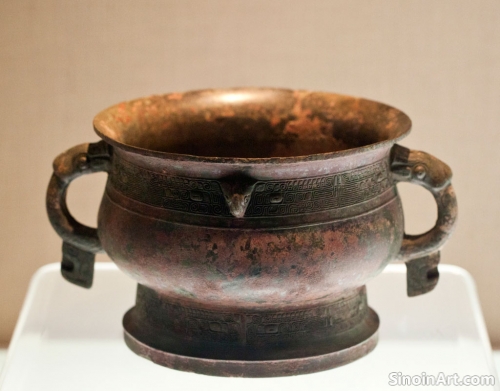 The bronze ware of the Central Plains region, associated with the Shang and Zhou dynasties, was characterized by complex designs, precise casting techniques, and a strong emphasis on ritual and ancestral worship. These styles often set the tone for the other bronze works of the period. The Central Plains style often dominated later artistic expressions.  In the southern regions of China, such as the Yangtze River valley, bronze ware often featured distinctive forms, such as the unique bronze objects found at Sanxingdui, which also included a wider range of decorative motifs. The styles and forms of the south were unique and distinctive, showing the strong cultural differences between regions of ancient China.  In the northern and western regions, bronze traditions often reflected the influence of nomadic and steppe cultures, resulting in unique combinations of styles and approaches to metalworking. The cross-cultural exchange between China and the nomadic cultures helped to introduce new styles and techniques. The interplay between different styles and approaches helped to create a more varied visual landscape. The study of these regional styles helps to highlight the cultural diversity of ancient China, revealing the importance of looking beyond the traditional narratives that focus exclusively on the central areas of power and influence. The regional variations in style help to broaden our overall understanding of the ancient world. The combination of local and foreign influences helped to create a wide range of different artistic expressions. |
Tag : regional bronze styles, ancient Chinese diversity, Sanxingdui, Yangtze bronzes, steppe influences
Related information
- The Archaeological Significance of Chinese Bronze Ware: Discoveries and Insights
- The Use of Bronze in Ancient Chinese Military Armor: Protection and Power on the Battlefield
- The Evolution of Bronze Mirror Design: From Early Simplicity to Ornate Patterns and Narrative Scenes
- The Legacy of Zhou Dynasty Bronzes: Shaping Later Chinese Ritual and Culture
- Bronze Ware and the Development of Ancient Chinese Cartography: Surveying Tools and Geographic Understanding
This article explores the archaeological significance of Chinese bronze ware, highlighting the discoveries at various sites, the insights gained into ancient society, metallurgy, trade, and the overall contribution to our understanding of early China.
This article explores the use of bronze in ancient Chinese military armor, highlighting the types of helmets and armor plating, and how bronze was used to provide both protection and power on the battlefield.
This article explores the evolution of bronze mirror design in ancient China, highlighting the shift from simple forms to more complex designs, including the use of intricate patterns, symbolic imagery, and narrative scenes, demonstrating the interplay between art, technology, and cultural change.
This article explores the lasting legacy of Zhou Dynasty bronzes, highlighting their influence on later Chinese ritual practices, their impact on subsequent artistic designs, their role in the development of historical records, and their contribution to a continued reverence for tradition.
This article explores the use of bronze in ancient Chinese cartography, highlighting its role in creating surveying tools, mapping instruments, and its connection to the accurate measurement and mapping of the ancient landscape.