The Evolution of Bronze Mirror Design: From Early Simplicity to Ornate Patterns and Narrative Scenes
|
The design of bronze mirrors in ancient China underwent a remarkable evolution over time, progressing from simple, unadorned forms to more elaborate designs that featured intricate patterns, complex symbolism, and narrative scenes. The study of these changes reveals much about the artistic, technological, and cultural changes that occurred across different historical periods. The evolution of the design of these objects reflects changes in both technique and also social preferences.  Early bronze mirrors were often small and plain, with simple geometric patterns and limited decorative elements, reflecting a more utilitarian function. The earliest designs reflect a focus on practicality over artistry, although even the simplest mirrors reflect an underlying understanding of geometric principles.  Later bronze mirrors often incorporated intricate designs, including detailed representations of mythological creatures, scenes from daily life, and complex geometric patterns. The increased level of decorative complexity is a testament to the changing artistic approaches of the time. The inclusion of more complex designs also helped to highlight the skill of the metalworkers and the aesthetic preferences of the era. 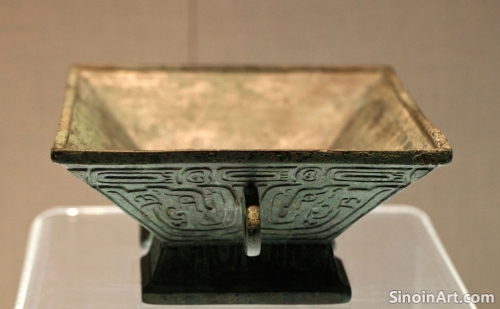 The use of inscriptions and the inclusion of small images on bronze mirrors also helped to communicate specific messages, and also helped to enhance their overall appeal as both personal objects and also as works of art. The interplay of the written word and the visual design helped to enhance their overall power and appeal. The study of the evolution of bronze mirror design provides valuable insights into the artistic tastes, cultural beliefs, and technological progress of ancient China, highlighting the intricate relationship between function, artistry, and the social context in which these pieces were produced. The careful study of these objects helps to illuminate the history, culture, and artistic practices of the time. |
Tag : bronze mirror design, Chinese art, ancient patterns, decorative styles, mirror evolution
Related information
- The Legacy of Chinese Bronze Ware in Contemporary Art and Design: New Interpretations
- The Social and Political Symbolism of Bronze Weapons: Power, Authority, and Military Might
- Bronze Ware and the Development of Ancient Chinese Writing Styles: A Visual Record of Language Evolution
- Bronze Ware and Ancient Chinese Mythology: Exploring the Interplay Between Myth, Art, and Ritual
- Bronze Ware and the Ancient Chinese Elite: Luxury, Status, and Power
This article explores the lasting influence of Chinese bronze ware on contemporary art and design, highlighting how artists and designers reinterpret and adapt ancient forms, motifs, and techniques, creating new works that connect the past with the present.
This article explores the social and political symbolism of bronze weapons in ancient China, highlighting their connection to power, authority, and military might, and demonstrating how the possession and display of these objects reflected status and leadership.
This article explores how inscriptions on bronze ware provide a visual record of the evolution of ancient Chinese writing styles, highlighting the influence of the medium on script forms, layout, and the development of calligraphic principles.
This article explores the use of mythological imagery on Chinese bronze ware, highlighting the depiction of dragons, phoenixes, and other creatures, and how these motifs reflected ancient beliefs and helped to connect the earthly world with the spiritual realms.
This article explores the association of bronze ware with the ancient Chinese elite, highlighting its use as a symbol of wealth, status, power, and its role in reinforcing social hierarchies and displaying authority.