Preserving Gongbi: The Importance of Education and Practice
|
The future of Gongbi painting depends on our collective efforts to preserve its unique techniques and traditions. Education and practice play a vital role in ensuring that this ancient art form continues to flourish for generations to come. The need for proper teaching cannot be underestimated. 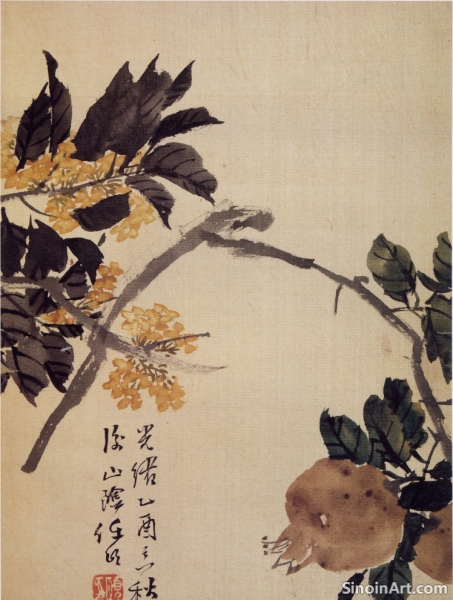 Passing down the knowledge and skills of Gongbi to younger generations is crucial. This can be achieved through art schools, workshops, and mentorship programs, where experienced artists can share their expertise with aspiring painters. It’s not just about learning the practical aspects, but also the spiritual and philosophical aspects of the work.  Encouraging practice and experimentation is equally important. It is through the consistent application of traditional methods, while also allowing space for new innovations, that the art can evolve. Young artists should learn from the past, but also push the artform into the future. It's this balance that will allow Gongbi to thrive. 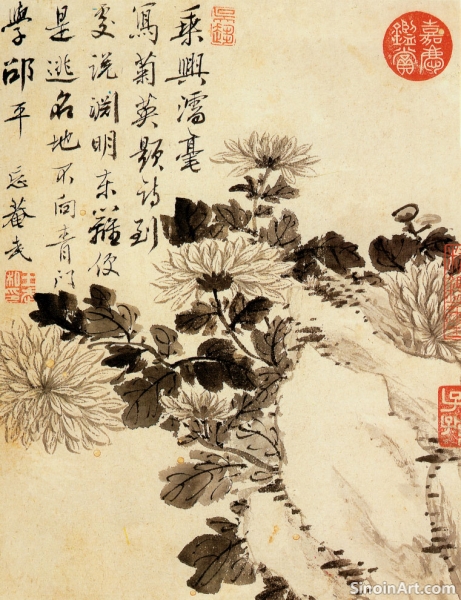 Supporting Gongbi artists is also important for its survival. By showcasing their work in galleries and exhibitions, purchasing their art, and promoting their practice through online platforms, we can help ensure that Gongbi continues to have a place in the cultural landscape. Artists need support from the community to continue their work. The preservation of Gongbi is not just a matter of cultural heritage; it is also about nurturing a unique artistic perspective that connects us to the beauty and wisdom of the past. By valuing and supporting this art form, we can ensure that its delicate beauty will continue to enrich our lives for generations to come. This heritage is something worth preserving. |
Tag : Preserving Gongbi art, art education, traditional painting practice, Chinese art heritage, art mentorship programs
Related information
- The Delicate World of Gongbi: An Introduction
- Gongbi Painting and the Use of Light and Shadow
- Learning Gongbi: Resources and Pathways for Aspiring Artists
- Gongbi and the Depiction of Architecture
- Gongbi Painting and its Relationship to Song Dynasty Aesthetics
This article introduces Gongbi painting as a precise and detailed art form within Chinese traditional art, highlighting its techniques, historical themes, materials, and contemporary relevance.
This article explores the subtle but skillful use of light and shadow in Gongbi painting, highlighting the use of color gradations, brushstrokes, and how these techniques contribute to creating a sense of depth, volume, atmosphere, and enhance the overall impact of the artwork.
This article provides an overview of resources and pathways for aspiring Gongbi artists, including formal education, online resources, private instruction, and the importance of consistent practice.
This article explores the depiction of architecture in Gongbi painting, highlighting the meticulous detail, historical accuracy, use of perspective, and interplay of light and shadow, showcasing how this art form captures both the physical appearance and cultural significance of buildings.
This article explores the relationship between Gongbi painting and the aesthetic principles of the Song Dynasty, highlighting its influence on the art form's emphasis on realism, detail, subject matter, symbolism, and overall artistic vision.