Learning Gongbi: Resources and Pathways for Aspiring Artists
|
For those captivated by the intricate beauty of Gongbi painting, the path to learning this traditional art form can be both rewarding and challenging. It requires dedication, patience, and access to the right resources. Whether you are a beginner or a seasoned artist looking to expand your skills, there are numerous pathways to explore the world of Gongbi. From formal education to online resources, there are multiple avenues for learning. 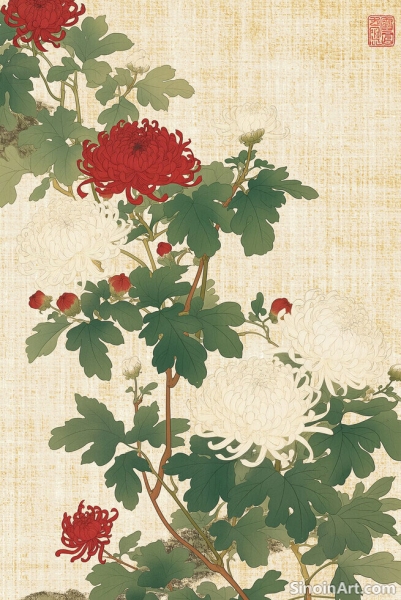 Formal art education remains a valuable option for those seeking in-depth training in Gongbi painting. Many universities and art schools in China and around the world offer courses and workshops in traditional Chinese painting techniques. These programs typically provide a structured curriculum, covering the history, theory, and practical aspects of Gongbi painting. Learning in a formal setting allows students to receive guidance from experienced instructors and to benefit from peer interaction. 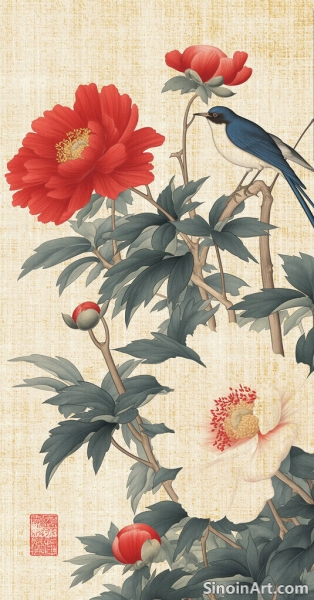 For those who are unable to attend formal classes, there are numerous online resources available. These resources include instructional videos, step-by-step tutorials, e-books, and online communities dedicated to Gongbi painting. Online learning provides flexibility and accessibility, allowing individuals to learn at their own pace and from the comfort of their own homes. However, it's crucial to find credible and high-quality online learning platforms. 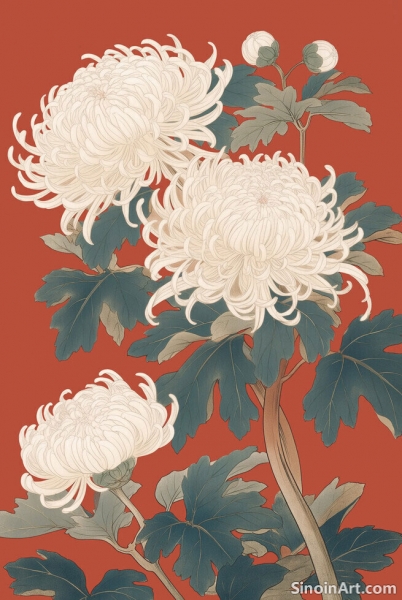 Private instruction from a skilled Gongbi master is another valuable path to mastery. This provides an immersive and personalized learning experience, allowing students to receive one-on-one feedback and to develop their skills under the guidance of an experienced artist. This mentorship approach can be incredibly beneficial for deepening understanding and cultivating a mastery of the traditional art form. Practicing regularly is key to improving one's Gongbi painting skills. It requires constant attention to detail, patience, and a dedication to mastering the intricacies of the technique. It’s beneficial to study examples of master artists throughout history. Consistent practice is crucial to achieving proficiency in this challenging art form. Regular practice develops not only skills but also an understanding and appreciation of the traditions. The journey of learning Gongbi painting is a lifelong pursuit, filled with challenges, discoveries, and a deep appreciation for the beauty and intricacy of this ancient art form. Whether you choose formal education, online resources, or private instruction, the key is to approach the art with passion and dedication. With the right resources and a commitment to practice, anyone can embark on their path to becoming a skilled Gongbi painter. |
Tag : Learning Gongbi Painting, Chinese Art Education, Gongbi Tutorials, Online Art Classes, Traditional Art Training
Related information
- Gongbi Painting and the Concept of "Qi Yun Sheng Dong"
- The Spiritual Aspects of Gongbi Painting
- The Use of Borders and Mountings in Gongbi Painting
- Gongbi and the Depiction of Water: Capturing the Flow and Spirit
- The Future of Gongbi: Digital Tools and Traditional Techniques
This article explores the significance of “Qi Yun Sheng Dong” (spirit resonance and lifelike movement) in Gongbi painting, highlighting the artist’s pursuit of capturing the essence and vital energy of the subject matter beyond mere visual representation.
An examination of the spiritual dimensions of Gongbi painting, highlighting its meditative qualities and connection to nature.
This article explores the role of borders and mountings in Gongbi painting, highlighting their function as framing devices, visual balancers, and how their specific styles and materials contribute to the overall aesthetic and cultural significance of the artwork.
This article explores the depiction of water in Gongbi painting, highlighting the techniques used to capture its flow and movement, the use of color to suggest its depth, symbolic significance, and how it enhances the overall sense of harmony and balance within the artwork.
This article explores the future of Gongbi painting, highlighting the use of digital tools to aid in the creative process, facilitate sharing, and expand the art form’s reach, while emphasizing the importance of maintaining traditional techniques.