Gongbi Painting and its Relationship to Song Dynasty Aesthetics
|
The Song Dynasty (960-1279) is often considered the golden age of Gongbi painting, and the aesthetic principles and stylistic preferences of this era have had a lasting influence on the art form. The Song Dynasty style is a significant period for the art form, and it continues to influence the style and content of contemporary works. 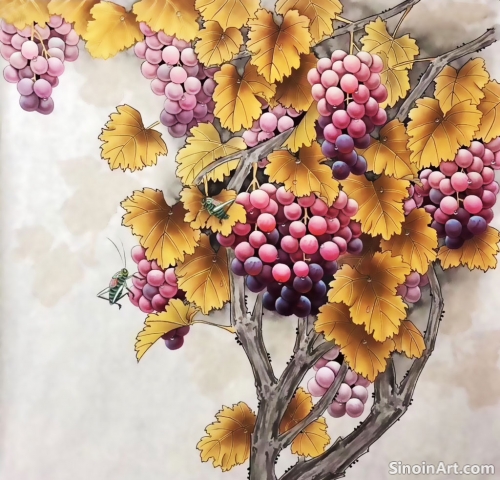 The emphasis on realism and meticulous detail that defines Gongbi painting reached new heights during the Song Dynasty. Artists of this period created works that were both technically masterful and visually compelling, capturing the essence of their subjects with remarkable precision. The detail and accuracy of this period is still a model for many contemporary artists.  The Song Dynasty was also a time of great artistic innovation, with artists exploring new techniques and materials, and pushing the boundaries of what was possible in the art form. The developments of the Song Dynasty continue to inform the practices and techniques of the art form.  The subject matter of Gongbi painting during the Song Dynasty often reflected the courtly interests of the time. Court painters often depicted scenes of imperial life, as well as the natural beauty of flowers and birds. The choices of subject often reflected the interests and values of the ruling class. The importance of symbolism in Gongbi painting also reached new heights during the Song Dynasty, with artists using carefully chosen motifs and colors to convey cultural meanings and philosophical ideas. The choices of symbols and colors was more carefully codified during this period. The aesthetic ideals of the Song Dynasty continue to resonate with contemporary Gongbi artists, serving as a source of inspiration and a reminder of the importance of technical skill, artistic sensibility, and a deep appreciation for the beauty of the natural world. The ideals of the Song Dynasty continue to inform the work and techniques of contemporary artists. |
Tag : Song Dynasty art, Gongbi history, Chinese painting history, traditional art styles, art influence
Related information
- Gongbi Painting and the Concept of "Shanshui"
- Gongbi vs. Xieyi: Understanding the Two Pillars of Chinese Painting
- Gongbi Painting and its Role in Cultural Diplomacy
- Gongbi Painting and Its Cultural Significance in China
- Gongbi and the Depiction of Architecture
This article explores the relationship between Gongbi painting and the concept of "Shanshui," highlighting the presence of core Shanshui principles, such as the balance of yin and yang, the detailed rendering of nature, and the integration of humans into the natural order within Gongbi landscapes.
This article contrasts Gongbi painting with Xieyi painting, highlighting the differences in their techniques, brushwork, use of color, and overall artistic goals within the landscape of Chinese painting traditions.
This article explores the role of Gongbi painting in cultural diplomacy, highlighting its ability to foster cross-cultural understanding, promote artistic collaboration, and serve as a symbol of Chinese cultural identity on the global stage.
This article explores the cultural significance of Gongbi painting in China, highlighting its historical importance, its role in reflecting cultural values, its connection to nature, its emphasis on discipline, and its continued relevance in modern Chinese society.
This article explores the depiction of architecture in Gongbi painting, highlighting the meticulous detail, historical accuracy, use of perspective, and interplay of light and shadow, showcasing how this art form captures both the physical appearance and cultural significance of buildings.