Gongbi Painting and the Use of Light and Shadow
|
While traditional Chinese painting often does not prioritize the same chiaroscuro effects as Western art, the skillful use of light and shadow plays a significant role in creating a sense of depth, volume, and atmosphere in Gongbi paintings. Artists use subtle variations in color and value to suggest how light falls on the forms and textures within the work. This subtle use of light and shadow creates a heightened visual impact in the pieces.  The depiction of light and shadow in Gongbi often relies on subtle gradations in color and value. Artists layer thin washes of color to create a sense of depth and volume, with darker areas suggesting shadow and lighter areas representing the highlights. The use of color is carefully layered to create a complex interplay of light and shadow. 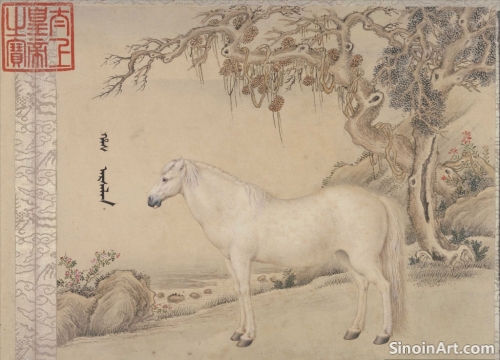 The use of specific brushstrokes can also create variations in texture, which helps to heighten the sense of light and shadow. The application of a thick line on one side of an object can suggest it is being cast in shadow. The use of line variations help to communicate how light falls on a specific object. 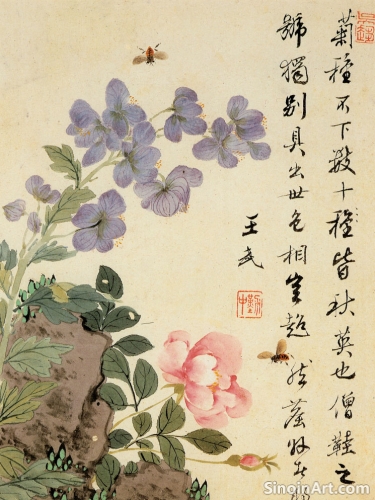 The treatment of light and shadow in Gongbi painting can also help to convey the mood and atmosphere of the artwork. The way in which light is used can create a sense of peace, tranquility, or drama, depending on the artistic vision. The use of light and shadow can change the way a viewer interprets the mood and meaning of the piece. The use of light and shadow in the art form is used in a way that is both subtle and sophisticated. The artists seek to create a sense of realism and depth, rather than the highly contrasted shadows common in Western art. The subtleties used by Gongbi artists demonstrate their mastery of technique. Ultimately, the skillful use of light and shadow in Gongbi painting elevates the artworks from simple representations of the world to more complex visual narratives, enhancing their sense of realism and emotional impact. The use of light and shadow enriches the visual experience of the work. |
Tag : Light and shadow art, chiaroscuro, Gongbi shading, visual depth, tonal variations
Related information
- Color in Gongbi: Layering and Luminosity
- Gongbi Painting and its Role in Cultural Diplomacy
- Gongbi and the Representation of Textiles and Patterns
- Gongbi Painting and Storytelling: Narrative Through Detail
- The Symbolism of Gongbi: Decoding the Language of the Brush
This article explores the use of color in Gongbi painting, highlighting the "ranse" layering method, the use of mineral-based pigments, the process of creating luminous effects, and the overall importance of color in conveying mood and meaning.
This article explores the role of Gongbi painting in cultural diplomacy, highlighting its ability to foster cross-cultural understanding, promote artistic collaboration, and serve as a symbol of Chinese cultural identity on the global stage.
This article explores the meticulous representation of textiles and patterns in Gongbi painting, highlighting the detailed linework, color variations, and how these elements convey texture, volume, and contribute to the overall narrative of the artwork.
Explores the narrative power of Gongbi painting, highlighting its ability to tell stories through detail, symbolism, and historical or mythological depictions.
This article explores the symbolic elements found in Gongbi paintings, focusing on the meanings behind flowers, animals, colors, and compositions within the Chinese artistic tradition.