Gongbi and the Depiction of Architecture
|
While often associated with the natural world, Gongbi painting also demonstrates remarkable skill in the depiction of architecture. From grand imperial palaces to humble rural dwellings, Gongbi artists render buildings and structures with meticulous detail and a keen understanding of architectural principles. This art form captures not only the physical appearance of structures but also their cultural and historical significance.  The meticulous detail that characterizes Gongbi painting is particularly well-suited to the depiction of architecture. Artists carefully render the intricate details of roofs, walls, windows, and other structural elements. The accuracy and precision of the linework bring to life the complex geometry of traditional Chinese buildings. 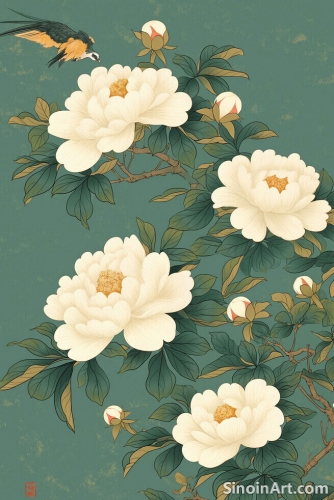 Beyond visual accuracy, Gongbi paintings of architecture also aim to capture the cultural and historical significance of the structures they depict. The choice of building, the use of specific design motifs, and the overall composition of the artwork often reflect the values, beliefs, and social structures of the time. The choice of subject and detail can be a commentary on the culture of a place. 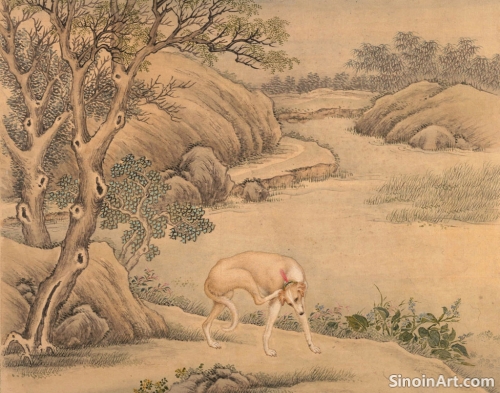 The use of perspective is a key element in the depiction of architecture in Gongbi paintings. Artists utilize various techniques to create a sense of depth and three-dimensionality, from linear perspective to atmospheric perspective. The accurate and detailed use of perspective allows the viewer to feel as if they are in the space being represented. The interplay of light and shadow is another important consideration in the rendering of architecture. Artists use subtle variations in color and tone to create a sense of depth and volume, as well as to evoke the atmosphere of the place. The play of light helps to communicate both space and mood within the piece. Ultimately, the depiction of architecture in Gongbi painting showcases the artists’ mastery of technique and their deep understanding of both the visual and cultural significance of buildings. These works go beyond mere representation and serve as visual records of architectural history, as well as celebrations of human ingenuity. The accuracy and detail creates a work that is both beautiful and culturally important. |
Tag : Gongbi architecture, Chinese buildings in art, architectural painting, detailed structures, historic architecture
Related information
- Commissioning a Gongbi Painting: What You Need to Know
- Gongbi Painting on Silk: Tradition and Technique
- The Gongbi Line: A Foundation of Precision and Expressiveness
- The Use of Gilding and Metallic Pigments in Gongbi
- Gongbi Painting in Modern Times: A Contemporary Renaissance
This article provides a guide for those interested in commissioning a Gongbi painting, highlighting the importance of clear communication, artist selection, understanding the process, setting realistic timelines, and managing budget expectations.
Focuses on the use of silk as a painting surface in Gongbi art, detailing preparation techniques, challenges, and the historical significance of using this material.
Gongbi lines are characterized by their fineness, evenness, and consistent width. Artists utilize specialized fine-pointed brushes to create these lines, ensuring that every stroke is deliberate and controlled. The consistent thickness of the lines requires years of practice, and this skill is central to the Gongbi style. It is within the precise lines that the work begins to define itself.
This article explores the use of gilding and metallic pigments in Gongbi painting, highlighting how these elements add a sense of luxury, luminosity, and symbolic meaning, while also requiring a high degree of skill and precision in their application.
This article explores the contemporary renaissance of Gongbi painting, highlighting the incorporation of modern themes, new techniques, digital technologies, and globalization in the evolution of the art form.