Key Techniques in Xieyi Brushwork
|
The techniques of Xieyi brushwork are deceptively simple, demanding years of practice to master. Each stroke of the brush is imbued with intention, reflecting the artist's control over the tools, their understanding of the subject, and their creative spirit. It's not simply about replicating a form but about capturing its energy and essence through the language of ink.  The first essential technique is "line drawing," where the brush is moved in different directions with varying pressure to create lines of different thickness and texture. These lines form the basis of Xieyi painting, outlining forms and capturing their essence. They are not simply outlines; they express energy, motion, and rhythm. A single line can convey a wealth of information about the artist’s intent. 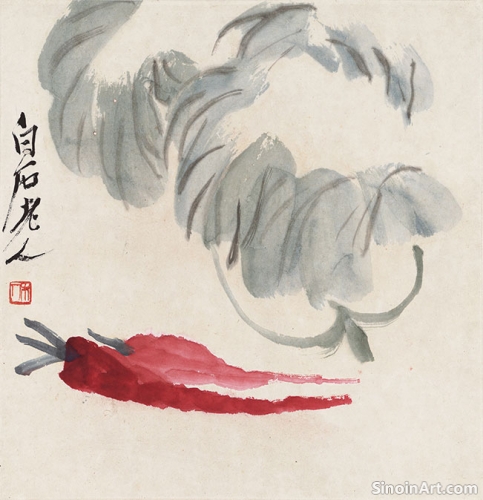 "Splashing Ink" (Pomo) is another core technique, involving applying ink in a spontaneous and expressive manner. This involves quickly loading a brush with diluted ink and applying it to the paper in broad, sweeping strokes. It creates a sense of movement and depth, often used to depict clouds, mountains, or water. It requires confidence and a sensitivity to the ink's fluidity. 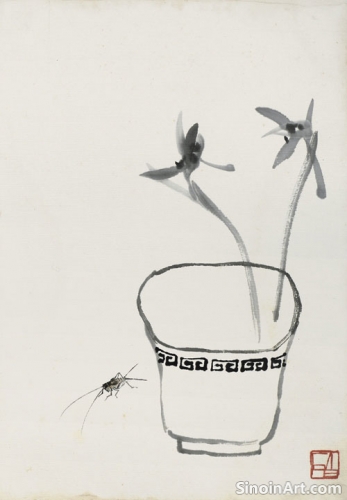 The use of "dry brush" is another important element in the Xieyi technique. When the brush is relatively dry, it creates broken, textured lines, which is particularly effective when depicting rough surfaces such as rocks, tree bark, or withered leaves. The dry brush strokes carry their own unique character, adding a layer of texture and visual interest. The use of water and ink wash is crucial. By controlling the amount of water mixed with ink, the artist can create a wide range of tonal values from deep black to light gray, as well as allowing the ink to blend and spread in different ways on the paper. These washes create an atmospheric quality, defining form and depth in the painting. This control is essential for creating subtle and expressive effects. "Negative space," or the blank areas in the painting, are as crucial as the areas of ink. They are not merely empty voids; they contribute to the overall composition, define the forms, and create a sense of balance and harmony. The relationship between ink and void creates a visual rhythm. Mastering the use of negative space is crucial to any Xieyi painter. |
Tag : Xieyi brush techniques, line drawing, splashing ink, dry brush technique, ink wash painting
Related information
- Xieyi Painting and the Use of "Contrasting Ink"
- Learning Xieyi Painting: A Path of Practice
- Xieyi Painting and the Concept of "Ziran"
- The "Three Perfections" in Xieyi
- Xieyi Painting and the Concept of "Yun Wei"
"Contrasting Ink" (nóngdànmò) in Xieyi uses both dark and light ink strategically to create depth, volume, texture, and atmosphere through visual contrast, with dark ink creating boldness and light ink adding distance and subtlety, requiring skilled blending to create tonal gradations, expressive depth, and nuanced interplay of light and shadow.
Learning Xieyi painting involves mastering basic brushstrokes, observation of nature, studying old masters, developing a personal style, and cultivating patience and persistence. It is a process that blends technical skill with personal growth and understanding.
"Ziran" (naturalness) is a cornerstone of Xieyi painting, emphasizing effortless ease, rejection of artificiality, and a profound connection with the natural world, requiring an understanding of materials and authenticity in personal expression, allowing the art process to unfold organically.
The "Three Perfections" (sānjué) – poetry, calligraphy, and painting – represent the holistic literati ideal, emphasizing the integration of these three art forms as a complete expression of the artist's personal feeling, thought, and their connection to tradition, with calligraphy’s influence often seen in Xieyi’s brushwork.
Yun Wei (charm, flavor, aftertaste) is a vital aesthetic quality in Xieyi painting, referring to the overall sense of feeling, emotion, and lingering impression that an artwork creates in the viewer, achieved through mastery of technique, subtle nuances, and the ability to express underlying meanings, creating a lasting impact.