Gongbi Painting on Silk: Tradition and Technique
|
The use of silk as a painting surface in Gongbi is deeply rooted in tradition, offering a unique texture and luminosity that enhances the delicate details of the artwork. The preparation and handling of silk require specific techniques and a deep understanding of its properties. It is the material of choice for many traditional Gongbi artists, and for good reason. 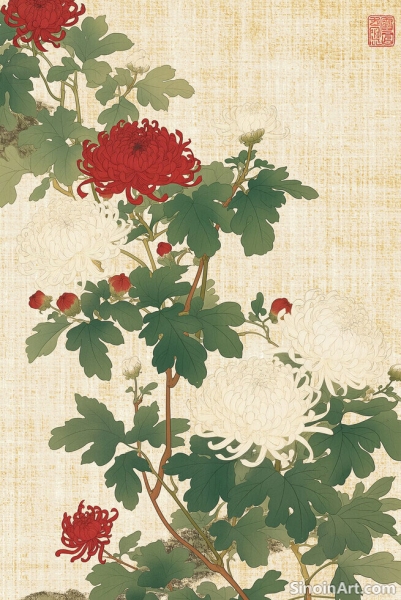 Silk, being a smooth and lustrous material, presents both challenges and opportunities for the artist. Its absorbency is different from that of paper, requiring a different approach to the application of ink and color. The artist must be skilled in controlling the flow of paint on the silk surface to prevent bleeding and achieve the desired level of detail. The art needs to work with the material, not against it.  Before painting, silk must be carefully prepared, a process that typically involves sizing it with alum or other substances to create a surface that is receptive to paint. This step is crucial in ensuring that the colors do not bleed or run, thus creating defined lines and washes. Preparation is a crucial first step for the artist. 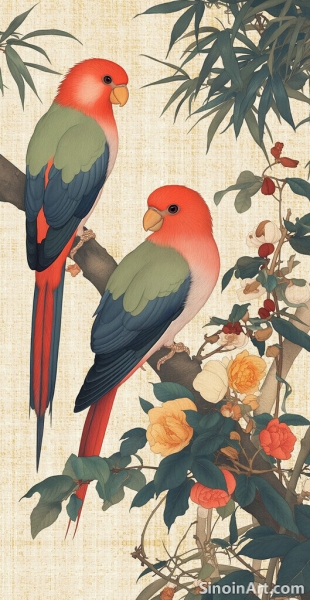 Working on silk is a delicate process, as the material is easily damaged. The artist must handle the silk with care, avoiding rough movements that could cause creases or tears. This is all part of the painstaking process of Gongbi painting. The tradition of using silk in Gongbi painting goes back centuries, reflecting the value placed on this luxurious material in Chinese culture. The combination of intricate brushwork and the smooth surface of silk creates a unique visual experience that is both elegant and captivating. The material itself becomes a component of the art, as much as the painting that is placed on it. |
Tag : Gongbi on silk, Chinese silk painting, silk painting techniques, traditional art materials, painting on fabric
Related information
- Famous Gongbi Artists: Masters of the Brush
- Gongbi in the Modern Age: Contemporary Artists and Innovations
- Gongbi Painting and the Depiction of Waterfalls and Streams
- The Depiction of Flowers and Birds in Gongbi: A Symbolism Unveiled
- Learning Gongbi: A Guide for Aspiring Artists
A profile of influential Gongbi artists throughout history, highlighting their contributions and styles.
This article explores the evolution of Gongbi painting in the modern era, highlighting the innovative approaches of contemporary artists, the incorporation of new themes and techniques, and the use of technology, while maintaining the core principles of the tradition.
This article explores the depiction of waterfalls and streams in Gongbi painting, highlighting the techniques used to capture the flow, movement, and reflective qualities of water, and how these works demonstrate a mastery of technique and appreciation for nature.
This article explores the depiction of flowers and birds in Gongbi painting, focusing on their symbolic meanings, the techniques used in their rendering, and their role in conveying both beauty and cultural narratives.
A practical guide for aspiring Gongbi artists, covering essential learning steps, materials, and practice techniques.