Gongbi Painting Throughout History: From Courts to Modern Studios
|
Gongbi painting's long and fascinating history is marked by significant periods of innovation and change. Its origins can be traced back to the Han dynasty (206 BC – 220 AD), where it was used for detailed depictions of religious figures, court scenes, and historical events. Over the centuries, the style continued to evolve, becoming a highly refined form of artistic expression. 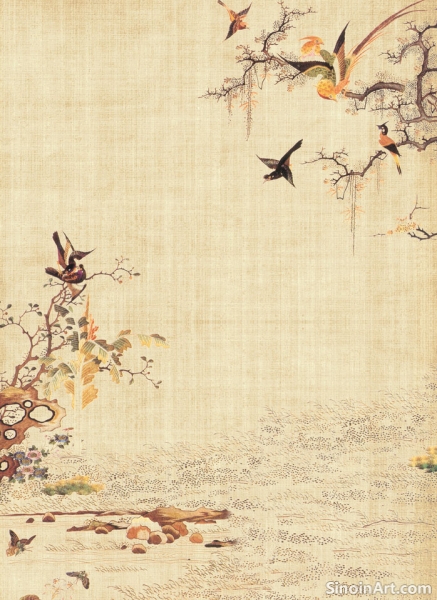 During the Tang dynasty (618 – 907 AD), Gongbi painting reached new heights of sophistication, with renowned artists creating exquisite works that showcased both technical mastery and aesthetic elegance. The style was highly favored by the imperial court, and its use spread to other elite circles, with its primary focus still on portraiture and courtly scenes. This period was considered a golden age for many art forms in China, not just Gongbi. 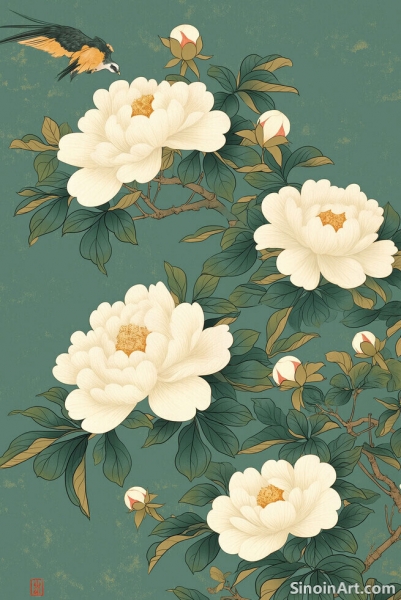 The Song dynasty (960 – 1279 AD) witnessed a shift in focus toward more nature-based themes, with birds, flowers, and landscapes becoming increasingly popular subjects. Artists began to explore the subtle variations in color and texture, further refining the techniques of Gongbi painting. The precision and detail of this period are what many consider the pinnacle of the style. 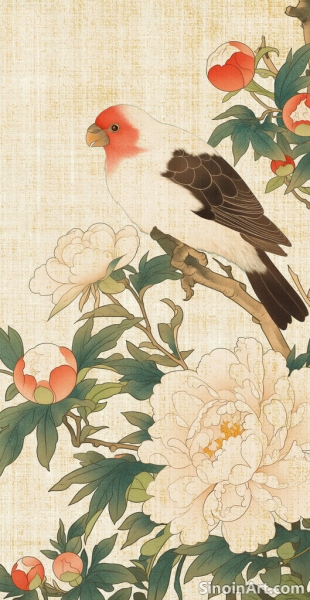 The Ming (1368 – 1644) and Qing (1644 – 1912) dynasties saw a continuation of these traditions, with the style remaining a respected and admired form of artistic expression. During this time, there were notable changes in subject matter and color palette, reflecting shifts in artistic tastes and societal values. However, the essence of meticulous brushwork remained a core element. Today, Gongbi painting continues to be practiced and celebrated. While still adhering to traditional techniques, contemporary artists are also exploring new directions, blending classic methods with modern sensibilities. These artists are finding new ways to express themselves within the parameters of the style, ensuring its continued relevance and vitality in the 21st century. Gongbi's journey from royal courts to modern studios demonstrates its enduring appeal and adaptability. |
Tag : History of Gongbi painting, Tang Dynasty art, Song Dynasty painting, Chinese imperial art, modern Gongbi artists
Related information
- The Meticulous Hand: Precision and Detail in Gongbi Painting
- Gongbi Painting and Its Cultural Significance in China
- The Use of White Space in Gongbi Composition
- Gongbi and the Depiction of Mythological Figures
- The Influence of Gongbi on Other Art Forms
Chinese Gongbi painting, distinguished by its meticulous detail and precise execution, stands as a testament to the dedication and technical skill of its practitioners. Unlike the expressive spontaneity of Xieyi (freehand) painting, Gongbi emphasizes a controlled and highly detailed approach, striving for a realistic depiction of the subject matter. This pursuit of perfection is central to the aesthetic and philosophy of the Gongbi tradition.
This article explores the cultural significance of Gongbi painting in China, highlighting its historical importance, its role in reflecting cultural values, its connection to nature, its emphasis on discipline, and its continued relevance in modern Chinese society.
This article explores the importance of white space in Gongbi composition, highlighting its role in defining the main subject, creating depth, contributing to overall balance, and reflecting the philosophical principles of emptiness and the interplay of yin and yang.
This article explores the depiction of mythological figures in Gongbi painting, highlighting the symbolic attributes, use of color, intricate narratives, and how this art form brings to life the gods, immortals, and heroes of Chinese folklore.
This article explores the influence of Gongbi painting on other art forms, including decorative arts, illustration, animation, fashion, and digital art, highlighting how its emphasis on detail, linework, and color has inspired creativity across various fields.