Gongbi Painting and the Art of Observation
|
At the heart of Gongbi painting lies the profound art of observation. More than just a visual exercise, it’s a deep engagement with the world around us, a patient and meticulous study of form, texture, and detail. The Gongbi artist must be a keen observer, able to see beyond the surface and capture the essence of their subject with remarkable precision. This ability to see deeply is crucial to the artistry.  The process begins with a sustained period of observation, whether the subject is a flower, a bird, or a human figure. The artist carefully examines the subject from multiple angles, paying attention to the subtle nuances of light and shadow, the delicate patterns of veins and feathers, the unique characteristics that distinguish it from all others. This intensive observation forms the foundation for the artwork. 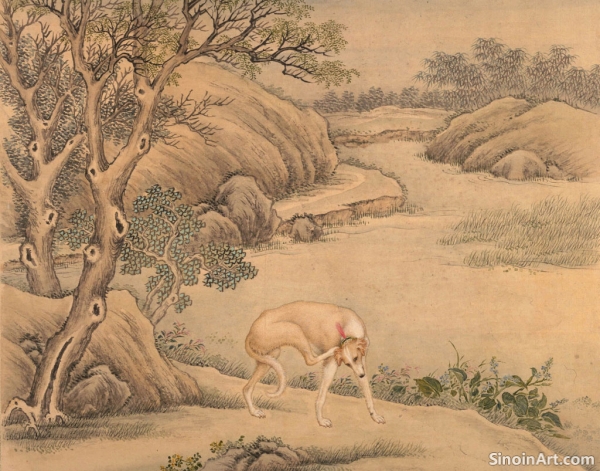 This level of observation is not just about recording physical details; it’s about understanding the underlying structures and principles that govern the natural world. The artist seeks to grasp the inherent patterns and rhythms that shape their subject, capturing not just its appearance but its essence and vitality. It’s a way of understanding the universe through the medium of art. 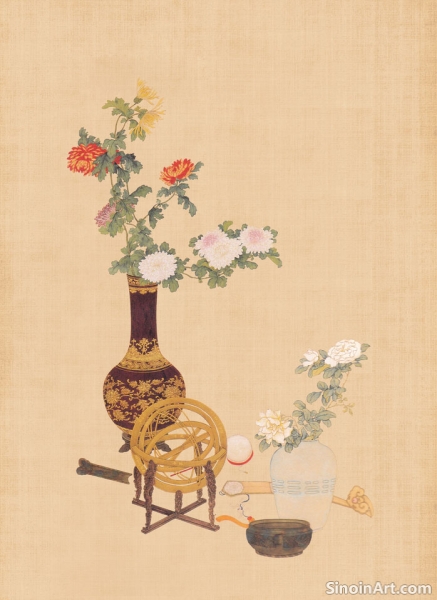 The discipline of observation is also about slowing down and being present. In a world that often moves too quickly, the Gongbi artist cultivates a mindset of patience and focus, allowing the details of the world to reveal themselves over time. It's a meditative practice that connects the artist to the world in a more profound and meaningful way. Ultimately, the art of observation in Gongbi painting is a testament to the power of mindful seeing. It's a reminder that beauty often lies in the details, and that by taking the time to truly observe the world around us, we can gain a deeper appreciation for its complexity and wonder. The act of creating becomes an act of deeper appreciation for the world. |
Tag : Gongbi observation, detailed art, mindful seeing, Chinese art analysis, perception in painting
Related information
- Symbolism in Gongbi Painting: Reading the Language of Detail
- Gongbi and the Use of Bird Motifs: Symbolism and Beauty
- Gongbi Painting in Modern Times: A Contemporary Renaissance
- Gongbi Painting and the Depiction of Auspicious Symbols
- The Use of White Space in Gongbi Composition
Gongbi painting is not only a visual art but also a rich tapestry of symbolic meanings, where the careful selection and rendering of subjects, colors, and compositional elements serve to convey specific messages and cultural values. The meticulous detail, characteristic of the style, enhances the symbolic weight of each object, transforming a seemingly realistic depiction into a complex visual language. This symbolic richness adds layers of meaning to the artistry of Gongbi painting.
The depiction of birds is a prominent theme in Chinese Gongbi painting, often serving as a means to explore the beauty, freedom, and symbolic richness of the natural world. Artists often render a diverse array of birds, from majestic eagles and phoenixes to the more humble songbirds, imbuing them with specific cultural meanings and stylistic characteristics. The birds add a vibrant and often symbolic element to these pieces.
This article explores the contemporary renaissance of Gongbi painting, highlighting the incorporation of modern themes, new techniques, digital technologies, and globalization in the evolution of the art form.
This article explores the use of auspicious symbols in Gongbi painting, highlighting the meaning and cultural significance of these motifs, and how their depiction in these detailed works expresses wishes for good fortune, prosperity, and happiness.
This article explores the importance of white space in Gongbi composition, highlighting its role in defining the main subject, creating depth, contributing to overall balance, and reflecting the philosophical principles of emptiness and the interplay of yin and yang.