Gongbi Painting and the Depiction of Auspicious Symbols
|
Gongbi painting is frequently used to depict auspicious symbols and motifs, reflecting the Chinese cultural emphasis on good fortune, prosperity, and happiness. These symbols, drawn from mythology, nature, and folklore, are often carefully woven into the compositions, imbuing the artwork with layers of cultural meaning and symbolic significance. The use of symbols is often a form of good will, and an expression of personal hopes for the future. 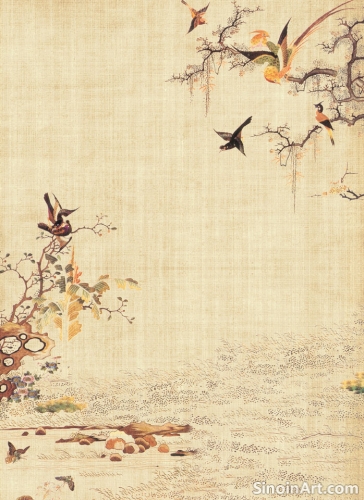 The use of symbolic elements in Gongbi painting goes beyond mere decoration; it is a way to communicate complex ideas and aspirations. Each symbol carries a specific meaning, often related to luck, wealth, longevity, or happiness. The artist often will use a combination of these symbols to create a complex message. 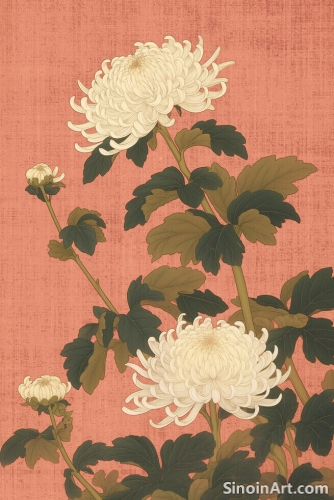 Common auspicious symbols include the peony, representing wealth and prosperity; the crane, symbolizing longevity and wisdom; the bat, representing happiness; and the peach, symbolizing immortality. Each symbol has a specific meaning that the artist uses to communicate their hopes and beliefs. 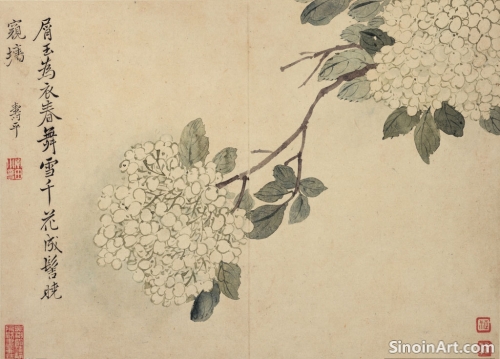 The meticulous detail of Gongbi is well-suited to the accurate rendering of these symbols, often enhancing their visual impact and cultural significance. The precision of the techniques is often used to give weight and authority to these commonly used symbols. The color choices in the depiction of auspicious symbols also often carry specific symbolic meanings. For example, red is associated with luck and happiness, while gold is associated with wealth and prosperity. The colors used often reinforce the symbolic messages being conveyed in the painting. Ultimately, the depiction of auspicious symbols in Gongbi painting serves not only to enhance the visual beauty of the artwork, but also to convey cultural values and express wishes for good fortune. These paintings become both works of art and cultural expressions that are intended to pass down blessings and good fortune. |
Tag : Auspicious symbols, Chinese art symbols, good fortune art, symbolic motifs, lucky paintings
Related information
- Gongbi and the Depiction of Mythological Figures
- Commissioning a Gongbi Painting: What You Need to Know
- Famous Gongbi Artists: Masters of the Meticulous Brush
- The Role of Line in Gongbi: The Foundation of Precision
- The Symbolic Language of Gongbi: Unveiling Hidden Meanings
This article explores the depiction of mythological figures in Gongbi painting, highlighting the symbolic attributes, use of color, intricate narratives, and how this art form brings to life the gods, immortals, and heroes of Chinese folklore.
This article provides a guide for those interested in commissioning a Gongbi painting, highlighting the importance of clear communication, artist selection, understanding the process, setting realistic timelines, and managing budget expectations.
This article highlights the contributions of famous Gongbi artists throughout history, including Emperor Huizong, Li Tang, Qiu Ying, and Chen Hongshou, discussing their unique styles and influence on the tradition.
Explores the critical role of line in Gongbi painting, detailing different types of lines and their contribution to the precision and expressiveness of the art.
An exploration of the symbolic language used in Gongbi painting, focusing on the meanings of common motifs like flowers, animals, and colors.