Gongbi and the Use of Bird Motifs: Symbolism and Beauty
|
The depiction of birds is a prominent theme in Chinese Gongbi painting, often serving as a means to explore the beauty, freedom, and symbolic richness of the natural world. Artists often render a diverse array of birds, from majestic eagles and phoenixes to the more humble songbirds, imbuing them with specific cultural meanings and stylistic characteristics. The birds add a vibrant and often symbolic element to these pieces.  Gongbi artists pay meticulous attention to the details of birds’ plumage, carefully rendering each feather with precision, using layered colors and fine lines to create a sense of texture and volume. The detailed approach allows artists to capture the unique beauty and individuality of each bird. The level of accuracy shows a deep appreciation for the natural world. 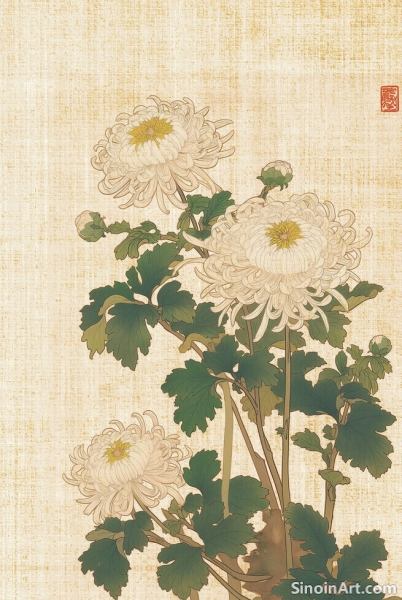 The poses and movements of birds are also carefully depicted, with artists seeking to capture their graceful flights, their playful interactions, and their quiet moments of rest. The dynamism of birds in flight and the peaceful quality of birds at rest provide opportunities for varied and compelling compositions. The sense of movement is often a defining feature of the artwork. 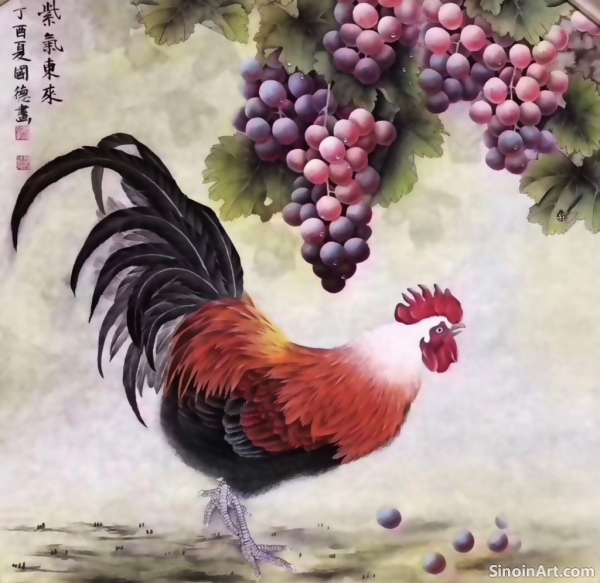 The symbolism associated with different types of birds adds another layer of meaning to Gongbi paintings. Cranes, for example, are often associated with longevity and good fortune, while peacocks represent beauty and dignity. The choice of specific birds enhances the overall meaning and symbolic depth of the work. Through their skillful rendering and thoughtful use of symbolic elements, Gongbi artists are able to create bird paintings that are both visually stunning and conceptually rich. Their depictions of birds continue to capture the imagination and inspire a sense of wonder for the natural world. They serve as lasting reminders of the power of art to convey beauty and cultural values. The integration of beauty and symbolism is a powerful characteristic of the Gongbi style. |
Tag : Gongbi Bird Motifs, Chinese Bird Painting, Symbolism in Gongbi Art, Detailed Bird Art, Gongbi Painting Birds
Related information
- The Future of Gongbi: Innovation and Preservation
- The Use of Texture in Gongbi Painting
- The Influence of Western Art on Contemporary Gongbi Painting
- Gongbi Color Techniques: Layering and Luminosity
- Gongbi Painting and the Four Gentlemen: Symbolism in Nature
This article discusses the future of Gongbi painting, highlighting the importance of both preserving traditional techniques and fostering innovation, and exploring the role of technology and globalization in ensuring the art form's continued relevance.
This article explores the use of texture in Gongbi painting, highlighting the techniques of layering color washes, varying ink density, and using specific brushstrokes to simulate the appearance of different surfaces and enhance the overall visual realism of the artwork.
This article explores the influence of Western art on contemporary Gongbi painting, highlighting the adoption of new perspectives, compositions, materials, techniques, and themes, and how these influences have created a unique hybrid style.
Color, while carefully controlled, plays a vital role in creating the refined beauty of Gongbi painting. Unlike the spontaneous use of color in Xieyi, Gongbi artists employ a meticulous approach, building up their colors through numerous thin layers, and creating a sense of depth, luminosity, and subtle gradations of tone. This approach is a hallmark of the Gongbi style and contributes to the richness of its visual effects.
Explores the symbolism of the Four Gentlemen (plum blossom, orchid, bamboo, chrysanthemum) in Gongbi painting, highlighting their cultural significance and representation.