Gongbi Painting in Modern Times: A Contemporary Renaissance
|
While deeply rooted in ancient tradition, Gongbi painting is not a static art form. In the modern era, it has experienced a remarkable renaissance, with contemporary artists pushing its boundaries and exploring new themes while remaining true to the core principles of meticulous detail and precision. This revival reflects a growing appreciation for traditional art forms, alongside a desire to innovate and reinterpret them for the modern world. 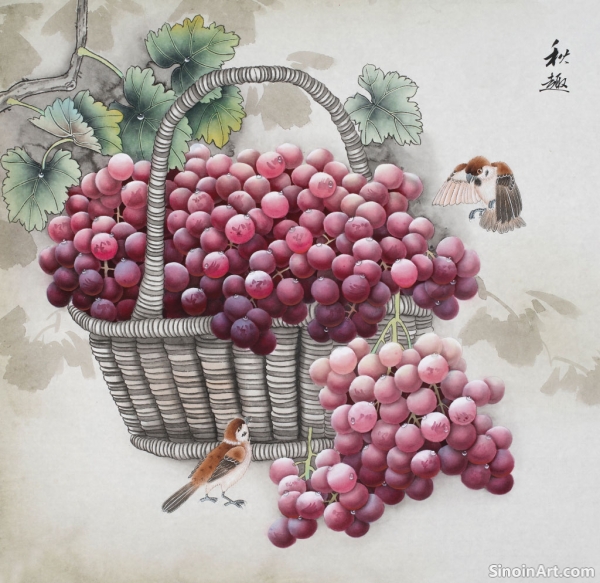 One of the most significant developments in contemporary Gongbi painting is the incorporation of modern themes and subjects. While traditional Gongbi often focused on flowers, birds, and court figures, contemporary artists are now exploring human figures, urban landscapes, abstract concepts, and social issues. This expansion of subject matter has broadened the scope of Gongbi painting, making it relevant and accessible to contemporary audiences.  Contemporary artists are also experimenting with new techniques and materials in Gongbi painting. While traditional materials like silk, xuan paper, mineral pigments, and ink remain essential, artists are now incorporating acrylics, inks, and mixed-media elements, creating hybrid forms that blend traditional practice with contemporary approaches. This innovation has allowed for greater diversity and creative expression within the style. 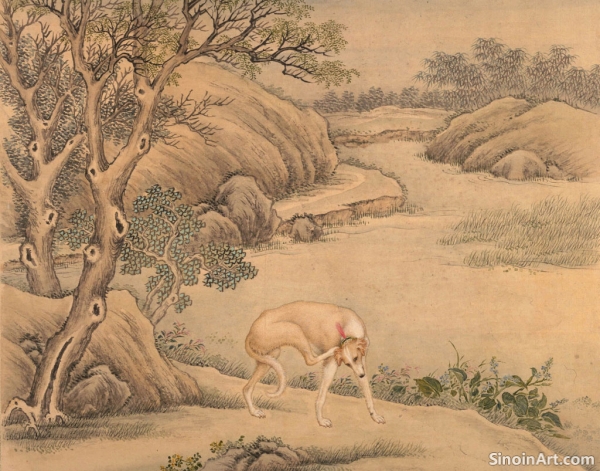 The integration of digital technology is also playing an increasingly important role in the evolution of Gongbi painting. Some artists use digital tools to create initial sketches or to enhance the detailing process, while others are incorporating digital media into their finished artworks. These new technological approaches present both challenges and opportunities for the traditional practice of Gongbi painting, showcasing the art's adaptability. The globalization of art has also had a significant impact on Gongbi painting. As the art form gains popularity internationally, artists from diverse cultural backgrounds are now embracing it, bringing their unique perspectives and influences to the tradition. This cross-cultural pollination is enriching the artistic vocabulary of Gongbi, contributing to its ongoing development. Ultimately, the contemporary renaissance of Gongbi painting is a testament to its enduring appeal and versatility. By blending tradition with innovation, artists are ensuring that this ancient art form continues to thrive and evolve, remaining a vital and vibrant part of the global art landscape. The continued study and application of traditional art forms in a contemporary way demonstrates the power of art as a living and breathing entity. |
Tag : Contemporary Gongbi Painting, Modern Chinese Art, Gongbi Art Revival, Digital Gongbi, Innovative Art Techniques
Related information
- The Future of Gongbi: Innovation and Tradition
- The Use of Texture in Gongbi Painting
- The Enduring Legacy of Gongbi Painting: Tradition and Innovation
- The Delicate Dance of the Brush: An Introduction to Gongbi
- Gongbi Painting in Museums and Galleries: Appreciating the Art in Person
A look at the future of Gongbi painting, focusing on innovation, technology, and the importance of preserving traditional skills.
This article explores the use of texture in Gongbi painting, highlighting the techniques of layering color washes, varying ink density, and using specific brushstrokes to simulate the appearance of different surfaces and enhance the overall visual realism of the artwork.
Gongbi painting, rooted in the rich artistic traditions of imperial China, has proven to be an enduring and highly versatile art form, adapting and evolving across generations while maintaining its core principles of precision, detail, and symbolic depth. The long history of Gongbi painting continues to be influential on modern art and the appreciation of traditional techniques.
This article introduces Gongbi painting, a meticulous Chinese art form characterized by its detailed and realistic depictions, outlining its history, techniques, and contemporary relevance.
This article explores the importance of experiencing Gongbi paintings in museum and gallery settings, emphasizing the unique educational opportunities, the ability to appreciate the details in person, the value of contemplation, and the role of museums in preserving and promoting the art form.