Symbolism in Gongbi Painting: Reading the Language of Detail
|
Gongbi painting is not only a visual art but also a rich tapestry of symbolic meanings, where the careful selection and rendering of subjects, colors, and compositional elements serve to convey specific messages and cultural values. The meticulous detail, characteristic of the style, enhances the symbolic weight of each object, transforming a seemingly realistic depiction into a complex visual language. This symbolic richness adds layers of meaning to the artistry of Gongbi painting.  Flowers and plants, often depicted with meticulous detail in Gongbi paintings, are imbued with symbolic meanings. For instance, the peony often symbolizes wealth and prosperity, while the plum blossom represents resilience and the beauty of winter. The careful choice and rendering of these elements often reflect the artist’s intent and add layers of meaning to the artwork. The symbolic language is just as important as the aesthetic aspect of the work. 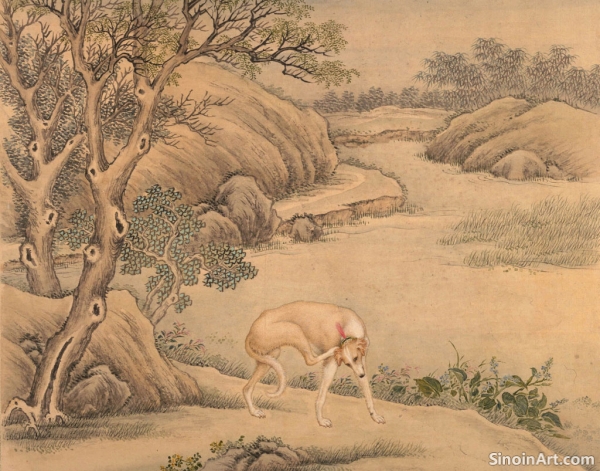 Animals and birds also play a significant symbolic role in Gongbi painting. Cranes, often associated with longevity and wisdom, are frequently depicted in pairs, signifying harmony and marital bliss. The peacock, with its vibrant display of plumage, is a symbol of beauty, dignity, and good fortune. These animals become more than mere depictions, taking on a deeper symbolic resonance within the work. 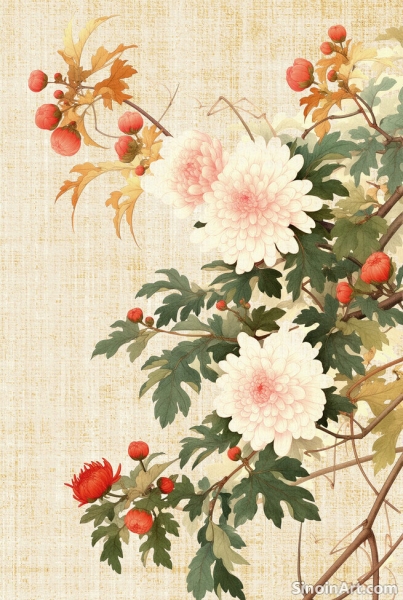 Color plays a crucial role in conveying symbolic meanings within the Gongbi tradition. Red, for example, often signifies joy, celebration, and good fortune, while yellow is associated with imperial authority and power. White, often used to depict purity and transcendence, is carefully employed to emphasize the ethereal or spiritual qualities of certain subjects. Color, therefore, is a powerful and intentional choice in the artist's expression. The careful attention to detail, precise use of color, and intentional selection of symbolic elements make Gongbi painting a rich visual language that conveys both aesthetic beauty and cultural meaning. The ability to decode these symbols provides a deeper appreciation for the complexity and richness of this artistic tradition, revealing the powerful interplay between technical mastery and symbolic expression that underlies every work. The symbolic depth of these works is integral to understanding their lasting appeal. |
Tag : Symbolism in Gongbi, Gongbi Art Symbols, Chinese Symbolic Painting, Meaning in Gongbi, Detailed Symbolic Art
Related information
- The Conservation and Care of Gongbi Paintings
- Preserving Gongbi: The Importance of Education and Practice
- Gongbi and the Representation of Movement: Capturing Dynamism
- Gongbi and the Influence of Buddhist Art
- The Materials of Gongbi: A Closer Look at Tools and Pigments
This article provides essential information on the conservation and care of Gongbi paintings, including controlling the environment, proper storage, framing techniques, cleaning recommendations, and the importance of regular inspections to ensure the longevity of these delicate artworks.
Emphasizes the importance of education and practice for preserving the techniques and traditions of Gongbi painting, advocating for community support and the passing down of skills.
This article explores how Gongbi painting captures movement and dynamism, highlighting the use of line, flowing fabrics, dynamic composition, and the depiction of flying birds and swimming fish, and how these techniques suggest energy and flow within the artwork.
This article explores the influence of Buddhist art on Gongbi painting, highlighting the depiction of deities, symbolic use of color, incorporation of philosophical principles, and how this influence adds both spiritual depth and meaning to the artworks.
This article provides a detailed overview of the materials used in Gongbi painting, including rice paper, Chinese brushes, inksticks, and natural mineral pigments, emphasizing the importance of these traditional elements to the art form.