Gongbi Painting and its Role in Cultural Diplomacy
|
Gongbi painting, with its rich cultural history and exquisite aesthetic, often serves as an important tool in cultural diplomacy, fostering understanding and appreciation for Chinese art and heritage on the global stage. These works serve as a cultural ambassador that transcends language and political divides. 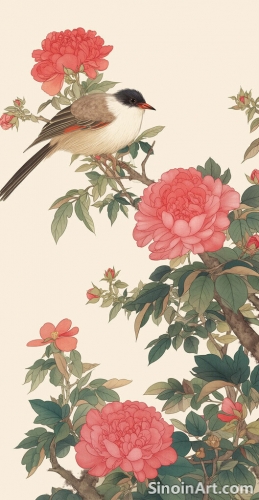 The exhibition of Gongbi paintings in international museums and galleries introduces the art form to a wider audience, fostering cross-cultural dialogue and sparking appreciation for Chinese culture. These exhibits expose new viewers to the traditional art form and provide a framework for understanding the culture. 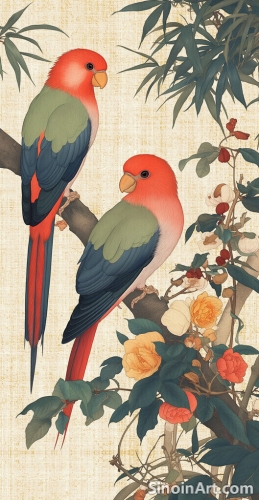 The exchange of Gongbi artists between China and other countries facilitates the sharing of knowledge and skills, promoting international collaboration in the arts. Artist exchanges help to preserve traditions and also encourage new innovation across cultures. 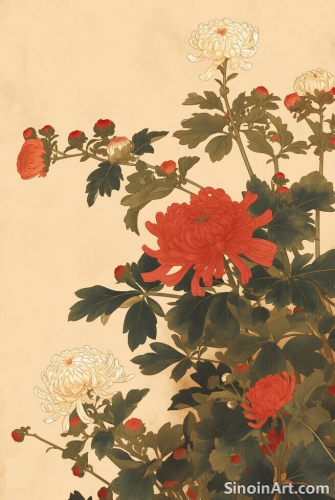 Gongbi painting is often used as a symbol of Chinese cultural identity in international events and collaborations. The presentation of traditional art serves to promote an understanding of the heritage and cultural richness of China. The intricate details and exquisite beauty of Gongbi paintings transcend language barriers, allowing people from different cultural backgrounds to connect with the art on a personal level. The works help to transcend cultural barriers through the universal language of art. Through its role in cultural diplomacy, Gongbi painting helps to foster mutual understanding, respect, and appreciation across cultures, promoting peace, collaboration, and intercultural exchange. The presentation of traditional art to the global stage helps to promote dialogue and understanding. |
Tag : Cultural diplomacy, Chinese art diplomacy, international art, art exchange, cultural heritage
Related information
- Brushstrokes of Precision: The Techniques of Gongbi
- Gongbi Painting and its Place in Contemporary Art Discourse
- Gongbi Painting and the Depiction of Historical Events
- Gongbi and Contemporary Fashion: A Unique Fusion
- Collecting Gongbi: Insights and Considerations for Art Enthusiasts
This article delves into the specific techniques of Gongbi painting, focusing on the outlining method, color application, detailed depiction, traditional materials, and the discipline required for mastery.
This article explores the place of Gongbi painting in contemporary art discourse, highlighting how artists are using the art form to address modern concerns, engage with tradition, and contribute to a wider global artistic conversation.
This article explores the role of Gongbi painting in documenting and interpreting historical events, highlighting its meticulous detail, portrayal of figures, use of color, and how these works act as both visual records and cultural perspectives on the past.
This article explores the fusion of Gongbi painting and contemporary fashion, highlighting the incorporation of motifs, patterns, colors, linework, and the overall celebration of Chinese cultural heritage into modern clothing and accessories.
This article provides insights for art enthusiasts interested in collecting Gongbi paintings, focusing on the importance of brushwork quality, authenticity, subject matter, composition, and proper care for these delicate artworks.