Gongbi vs. Xieyi: Understanding the Two Pillars of Chinese Painting
|
Chinese painting is often characterized by two distinct yet complementary styles: Gongbi and Xieyi. While both are deeply rooted in Chinese artistic tradition, they represent contrasting approaches to the representation of the world. Gongbi, meaning meticulous, emphasizes precision and detail, while Xieyi, meaning freehand or sketching the idea, prioritizes spontaneity and expressiveness. Understanding the differences between these two styles is essential for appreciating the full breadth and depth of Chinese painting. 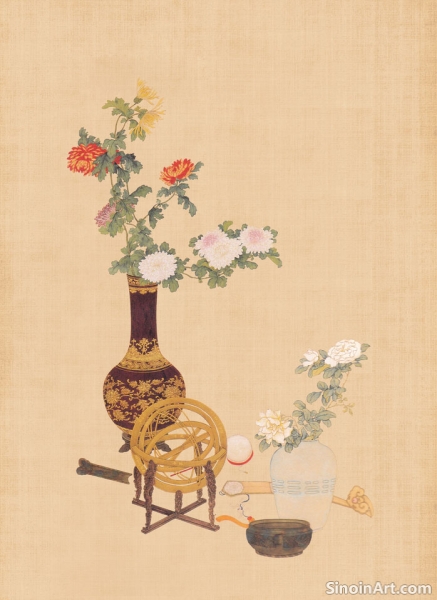 Gongbi painting, as previously discussed, is characterized by its detailed realism and carefully applied layers of color. It requires immense patience and technical skill, with artists often spending countless hours on a single painting. The focus is on accuracy, precision, and the meticulous rendering of each element, be it a flower, a bird, or a human figure. This style often evokes a sense of tranquility and reverence for the subject. 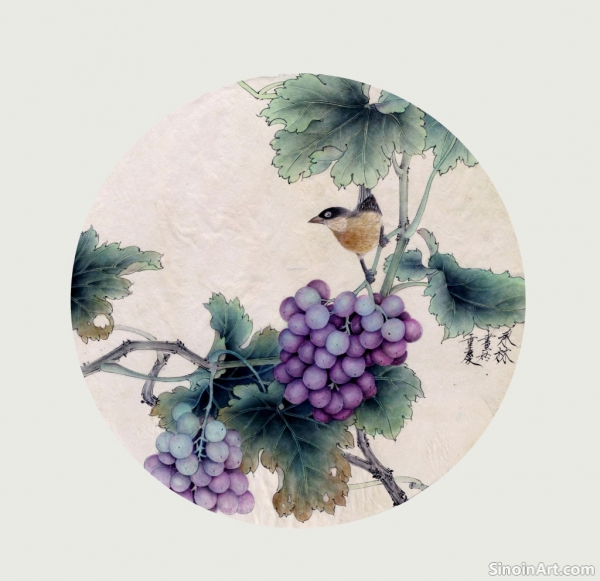 Xieyi painting, on the other hand, is a more expressive and gestural style. It is characterized by bold, sweeping brushstrokes, and a more abstract representation of the subject. The focus is on capturing the essence of the subject, rather than its literal likeness. Artists using the Xieyi method often work with speed and spontaneity, allowing their emotions and intuitions to guide the brush. The results are often more fluid and dynamic than in Gongbi works. 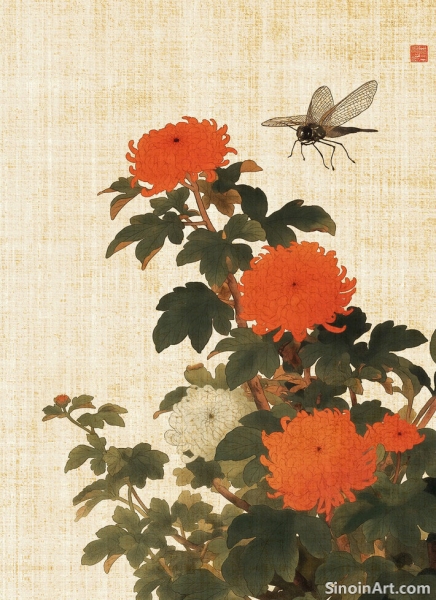 The brushwork in Gongbi painting is characterized by fine lines, often referred to as “iron wire lines,” that are meticulously drawn with a fine-tipped brush. These lines define the forms of the painting with clarity and precision. Xieyi brushwork, in contrast, is more varied, incorporating bold, wet strokes, dry brush techniques, and a range of ink washes. The emphasis is on the expressive potential of the brush, rather than its ability to create realistic outlines. The use of color also differs significantly between the two styles. Gongbi painting often uses a wide range of mineral-based pigments to achieve a sense of realism and depth. Colors are applied in thin, translucent layers, resulting in a luminous quality. Xieyi painting, on the other hand, tends to rely more on ink washes and monochrome or subtle color palettes. The emphasis is on the tonal variations of ink, rather than the use of vibrant hues. In essence, Gongbi and Xieyi represent two different ways of seeing and representing the world. Gongbi is about capturing the intricate beauty and detail of reality, while Xieyi is about expressing the underlying spirit and essence of things. These two distinct styles, together, form the rich tapestry of Chinese painting, each complementing and enriching the other. |
Tag : Gongbi vs Xieyi, Chinese Painting Styles, Meticulous vs Freehand Painting, Chinese Brushwork, Traditional Chinese Art
Related information
- The Challenge of Large-Scale Gongbi Painting
- Gongbi Painting and the Use of Light and Shadow
- Color in Gongbi: Layering and Luminosity
- Gongbi Painting and the Influence of Taoist Philosophy
- Gongbi and the Representation of Textiles and Patterns
This article explores the unique challenges of creating large-scale Gongbi paintings, including maintaining precision, acquiring specialized materials, managing composition, and the time-consuming process of layering colors and details.
This article explores the subtle but skillful use of light and shadow in Gongbi painting, highlighting the use of color gradations, brushstrokes, and how these techniques contribute to creating a sense of depth, volume, atmosphere, and enhance the overall impact of the artwork.
This article explores the use of color in Gongbi painting, highlighting the "ranse" layering method, the use of mineral-based pigments, the process of creating luminous effects, and the overall importance of color in conveying mood and meaning.
This article explores the influence of Taoist philosophy on Gongbi painting, highlighting how the art form reflects Taoist ideals of harmony with nature, balance, mindfulness, and simplicity, adding a deeper layer of spiritual and philosophical significance to the artworks.
This article explores the meticulous representation of textiles and patterns in Gongbi painting, highlighting the detailed linework, color variations, and how these elements convey texture, volume, and contribute to the overall narrative of the artwork.