Gongbi Painting and its Place in Contemporary Art Discourse
|
While deeply rooted in tradition, Gongbi painting holds a relevant place in contemporary art discourse. Contemporary artists are engaging with the art form in innovative ways, both honoring its historical legacy and challenging its boundaries. The art form is both rooted in history and expanding its reach in contemporary practice.  Contemporary artists are using Gongbi techniques to explore a wide range of subject matter, from personal narratives to social commentary, challenging the notion that the art form is limited to traditional themes. The artists are expanding the language of the art form by incorporating new styles and subject matter. 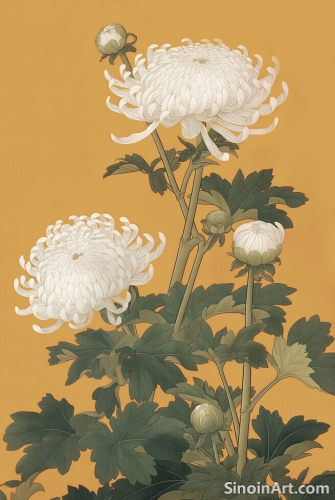 Gongbi painting also offers a perspective on the relationship between tradition and modernity, showcasing how artists can engage with the past while also addressing contemporary concerns. The work bridges both the past and present, creating a dialogue between old and new. 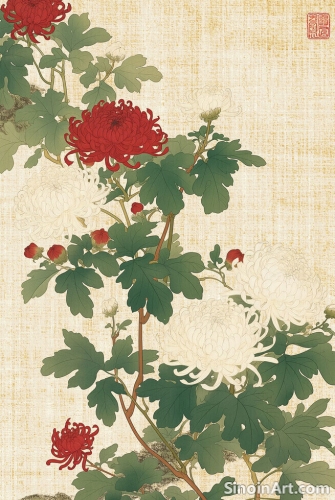 The meticulous detail and technical skill required for Gongbi painting also offer a counterpoint to the more conceptual or abstract approaches that are often seen in contemporary art. The focus on skill and craftsmanship is a valuable aspect in the modern artistic conversation. The global reach of contemporary art allows Gongbi painting to be seen by a broader audience and engage in new dialogues with artists from around the world. The integration of the tradition in the modern discourse expands its influence and scope. Gongbi painting has a valuable contribution to make to contemporary art discourse, offering a unique perspective on tradition, technique, and the relationship between the past and the present. The art form is both an expression of traditional culture and a tool for contemporary artistic expression. |
Tag : Gongbi contemporary, modern art, tradition vs modernity, Chinese art dialogue, art discourse
Related information
- The Influence of Western Art on Contemporary Gongbi Painting
- Learning Gongbi: Steps for Aspiring Artists
- The Legacy of Gongbi: Ancient Roots and Modern Blossoming
- Gongbi and the Depiction of Jewelry and Accessories
- Gongbi Painting and the Depiction of Historical Events
This article explores the influence of Western art on contemporary Gongbi painting, highlighting the adoption of new perspectives, compositions, materials, techniques, and themes, and how these influences have created a unique hybrid style.
This article provides a guide for aspiring Gongbi artists, outlining the steps involved in learning the art form, including mastering brushwork, outlining, color application, understanding traditional motifs, and the importance of patience.
This article explores the history and legacy of Gongbi painting, from its origins in the Tang Dynasty to its evolution through the Song and subsequent dynasties, and its current resurgence in contemporary art.
This article explores how Gongbi painting depicts jewelry and accessories, highlighting the meticulous detail, use of line and color to convey textures and reflections, and how these objects contribute to the overall cultural and visual richness of the artwork.
This article explores the role of Gongbi painting in documenting and interpreting historical events, highlighting its meticulous detail, portrayal of figures, use of color, and how these works act as both visual records and cultural perspectives on the past.