Learning Gongbi: Steps for Aspiring Artists
|
Learning Gongbi painting is a journey that requires dedication, patience, and a deep appreciation for traditional techniques. It involves not only mastering the brushstrokes but also developing a keen eye for detail and an understanding of the art form's cultural significance. For aspiring artists, this journey can be both challenging and profoundly rewarding. 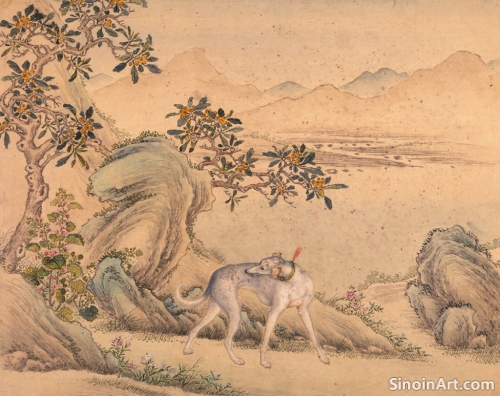 The first step in learning Gongbi is gaining a solid foundation in traditional Chinese brushwork. This involves practicing basic line strokes and understanding the nuances of ink control. Many beginners start by copying traditional masters, learning the structure and rhythm of their strokes. Developing a steady hand and mastering different brush handling techniques is essential for creating precise lines. 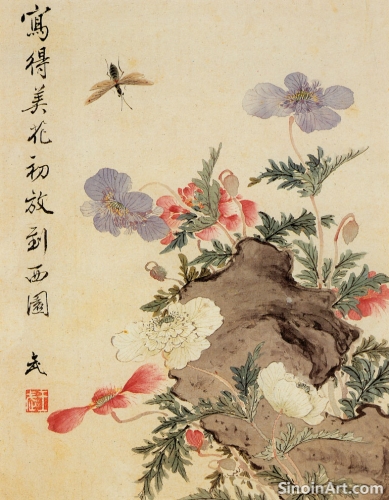 Understanding the "gougou" method, the meticulous outlining of the subject, is fundamental to Gongbi. This requires developing skills in observing form and structure, and translating them onto paper with fine, unbroken lines. This is where the meticulous aspect of Gongbi really comes into play, demanding attention to even the smallest detail. Practicing outlining, with both simple and more complex subjects, is the core of the early training. 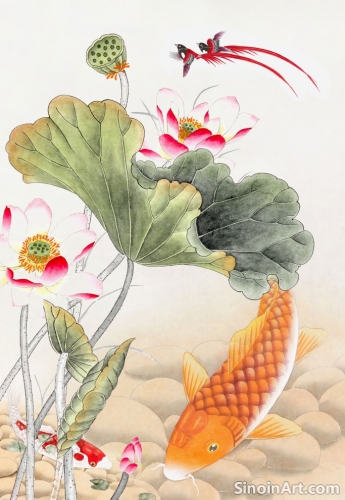 Color application, the "ranse" method, is another key aspect of learning Gongbi. This involves mastering the techniques for layering thin washes of color to achieve subtle gradations and luminosity. Understanding color mixing and how to create translucent washes takes considerable practice. The ability to work with layers is one of the defining features of Gongbi painting. The study of traditional motifs and subjects is an important part of the process. Understanding the symbolic significance of flowers, birds, and other common themes is essential for understanding the context of Gongbi. Artists learn how to accurately depict these subjects while staying true to the art form’s tradition. Studying existing works is as important as hands-on practice. Finally, practicing patience and persistence is perhaps the most important element of learning Gongbi. It is a time-consuming art form that demands a high degree of dedication. Aspiring artists must be prepared to invest considerable time and effort in their training. With consistent practice and a deep respect for the tradition, aspiring artists can develop the skills to create their own beautiful and meaningful Gongbi artworks. |
Tag : Learning Gongbi, how to paint Gongbi, Chinese painting lessons, Gongbi art for beginners, traditional painting education
Related information
- Gongbi Painting and its Relationship to Calligraphy
- The Influence of Gongbi on Other Art Forms
- Preserving Gongbi: The Importance of Education and Practice
- The Future of Gongbi: Innovation and Tradition
- Gongbi and Personal Expression: The Artist's Voice
This article examines the interconnected relationship between Gongbi painting and Chinese calligraphy, highlighting their shared techniques, the importance of line and ink, the concept of qi, and how the study of calligraphy can enhance the skills of a Gongbi artist.
This article explores the influence of Gongbi painting on other art forms, including decorative arts, illustration, animation, fashion, and digital art, highlighting how its emphasis on detail, linework, and color has inspired creativity across various fields.
Emphasizes the importance of education and practice for preserving the techniques and traditions of Gongbi painting, advocating for community support and the passing down of skills.
A look at the future of Gongbi painting, focusing on innovation, technology, and the importance of preserving traditional skills.
This article focuses on Gongbi painting as a vehicle for personal expression, highlighting how artists use choices in subject matter, color, composition, and overall tone to convey their unique perspectives and artistic visions within the traditional art form.