The Influence of Western Art on Contemporary Gongbi Painting
|
While Gongbi painting is a deeply rooted tradition within Chinese culture, it has not existed in isolation. The exchange of ideas and artistic styles between East and West has influenced the art form, particularly in the contemporary era. Contemporary artists have embraced Western artistic techniques and approaches, creating a new hybrid form of expression that reflects the cultural exchange between the two worlds. 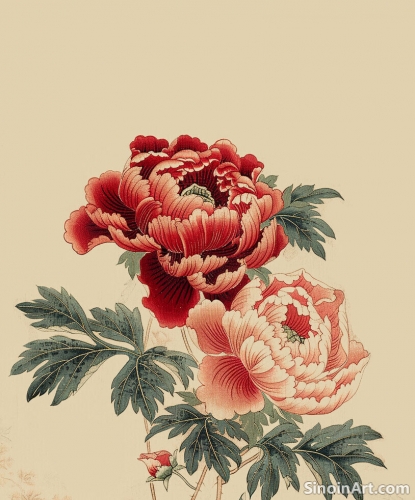 One of the significant influences of Western art on Gongbi painting is the introduction of new perspectives and compositions. Western art styles, such as realism and impressionism, have encouraged artists to experiment with different viewpoints and approaches to depicting their subjects. This is seen in both landscapes and portraiture where elements of realism have blended with traditional techniques. 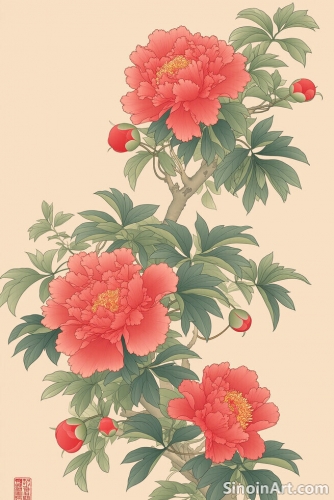 The use of perspective, a technique that was not a traditional focus in Chinese art, is now being incorporated into Gongbi painting. This has added a sense of depth and realism to the artworks. Artists are now blending perspective from the West with the flat compositional style traditional in Gongbi.  The introduction of new materials and techniques has also been influenced by Western art. Artists are exploring new pigment colors and mediums and adapting them to traditional techniques. Experimentation with Western materials in the creation of these traditional works is expanding the boundaries of the art. The themes explored in contemporary Gongbi painting have also been influenced by Western art and contemporary social trends. Artists are creating works that address modern social and political issues, exploring individual identity, and challenging cultural norms. Contemporary artists are using their art to express their personal views and social observations. The blending of Western and Eastern influences has created a unique and vibrant contemporary Gongbi style. Artists are now bridging cultural divides and creating art that is both rooted in tradition and relevant to the modern world. This fusion creates a style that honors both tradition and pushes the art form forward. |
Tag : Western influence on Gongbi, contemporary Chinese art, art fusion, cross-cultural art, East meets West
Related information
- Collecting Gongbi: Insights and Considerations for Art Enthusiasts
- The Use of White Space in Gongbi Composition
- The Materials of Gongbi: A Palette of Tradition
- Learning Gongbi: Steps for Aspiring Artists
- The Role of Line in Gongbi: The Foundation of Precision
This article provides insights for art enthusiasts interested in collecting Gongbi paintings, focusing on the importance of brushwork quality, authenticity, subject matter, composition, and proper care for these delicate artworks.
This article explores the importance of white space in Gongbi composition, highlighting its role in defining the main subject, creating depth, contributing to overall balance, and reflecting the philosophical principles of emptiness and the interplay of yin and yang.
This article explores the essential materials used in Gongbi painting, focusing on the unique characteristics of brushes, silk, xuan paper, mineral pigments, and other tools.
This article provides a guide for aspiring Gongbi artists, outlining the steps involved in learning the art form, including mastering brushwork, outlining, color application, understanding traditional motifs, and the importance of patience.
Explores the critical role of line in Gongbi painting, detailing different types of lines and their contribution to the precision and expressiveness of the art.