Gongbi and the Depiction of Jewelry and Accessories
|
The meticulous nature of Gongbi painting lends itself exceptionally well to the depiction of jewelry and accessories. Artists capture the intricate details, reflective surfaces, and delicate craftsmanship of these objects with remarkable accuracy, adding layers of visual interest and cultural significance to their paintings. The accurate depiction of these details often reveals a mastery of technique. 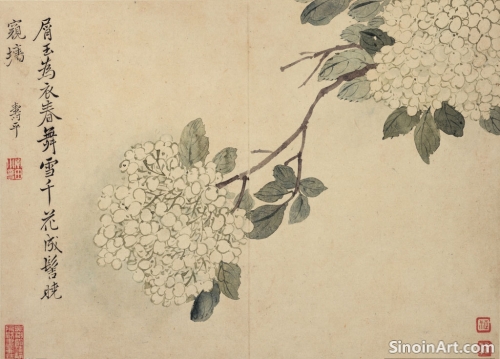 Gongbi artists often use fine lines and subtle shading to convey the textures and forms of various jewelry pieces, from the smooth surfaces of jade and pearls to the faceted edges of gemstones. The precision in depicting each facet and curve reveals the skill of the artist. 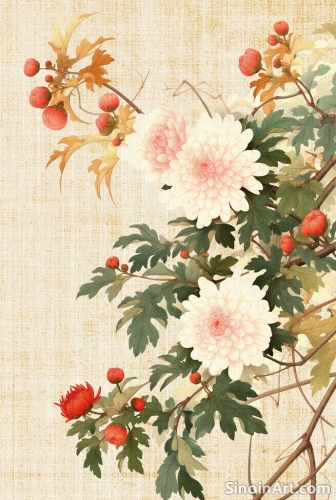 The reflective quality of metals and precious stones is also often captured through subtle variations in color and value. Artists often layer thin washes of color to create the illusion of light reflecting off these surfaces. This technique requires both great skill and an understanding of how light interacts with different materials. 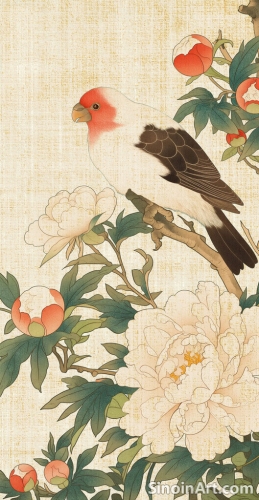 Beyond visual accuracy, the depiction of jewelry and accessories can also convey information about the wearer's social status, cultural background, and personal taste. Specific styles of jewelry often correspond with a specific time or social standing, providing clues to the historical or cultural context. The presence of carefully rendered jewelry and accessories also adds visual richness and detail to the overall composition. These details transform the image from a simple representation to a work that is both visually complex and culturally meaningful. The attention to the accessories adds layers of meaning to the overall image. Ultimately, the depiction of jewelry and accessories in Gongbi painting reveals the artists’ technical mastery, their keen observation of the material world, and their ability to imbue their artwork with both visual beauty and cultural context. The works transform simple objects into signifiers of culture and history. |
Tag : Gongbi jewelry, detailed accessories, Chinese art details, painting techniques, rendering textures
Related information
- The Delicate Dance of the Brush: An Introduction to Gongbi
- The Influence of Gongbi on Contemporary Art
- Gongbi and the Depiction of Everyday Life
- The Use of Borders and Mountings in Gongbi Painting
- Gongbi and the Representation of Movement: Capturing Dynamism
This article introduces Gongbi painting, a meticulous Chinese art form characterized by its detailed and realistic depictions, outlining its history, techniques, and contemporary relevance.
An examination of Gongbi painting's influence on contemporary art, highlighting the adaptation of its techniques, symbolism, and aesthetic principles.
This article explores the use of Gongbi painting in depicting scenes from everyday life, highlighting its meticulous detail, portrayal of common activities, and how these works serve as visual records of daily existence and a particular time and place.
This article explores the role of borders and mountings in Gongbi painting, highlighting their function as framing devices, visual balancers, and how their specific styles and materials contribute to the overall aesthetic and cultural significance of the artwork.
This article explores how Gongbi painting captures movement and dynamism, highlighting the use of line, flowing fabrics, dynamic composition, and the depiction of flying birds and swimming fish, and how these techniques suggest energy and flow within the artwork.