Gongbi Color Palettes: From Traditional Pigments to Modern Hues
|
The vibrant and nuanced colors of Gongbi painting are a hallmark of the style, reflecting the artist's mastery of pigments and their understanding of color theory. Traditionally, Gongbi artists relied on natural pigments derived from minerals, plants, and other organic sources, carefully preparing and applying them to create a range of subtle and luminous hues. These traditional palettes are the basis for much of the Gongbi art known today.  The traditional color palette includes pigments such as malachite green, azurite blue, cinnabar red, and ochre yellow, each offering a unique color and texture. These pigments are carefully ground and mixed with water and a binding agent, often animal glue, to create a paint that is both vibrant and stable. The preparation of these pigments is a crucial step in the painting process and requires skill and precision. 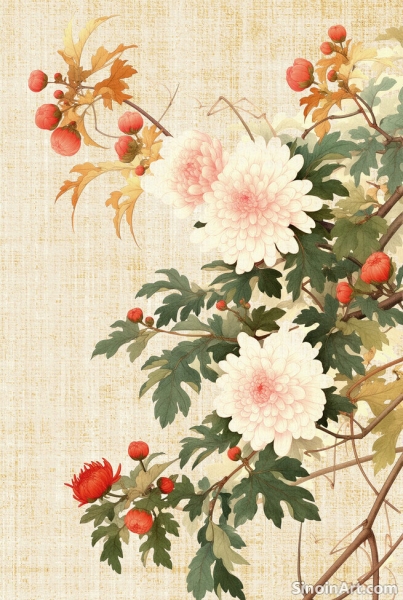 The layering technique used in Gongbi painting allows artists to create subtle variations in color and tone. Thin washes of color are applied one after another, gradually building up the depth and luminosity of the image. This process requires patience and precision, as each layer must be carefully applied to achieve the desired effect. It is not about painting one layer, but a multitude of layers that merge to create beauty. 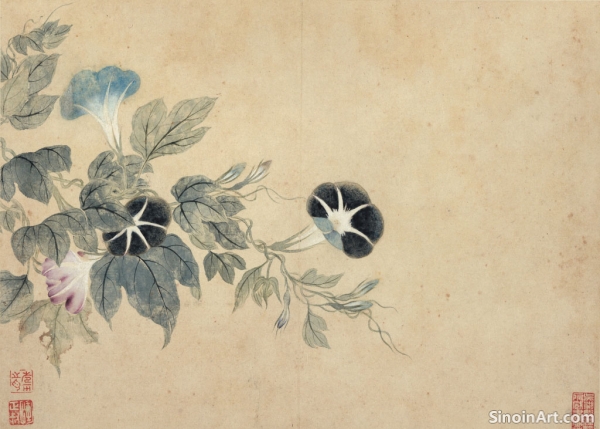 While traditional pigments continue to be highly valued, modern Gongbi artists are also exploring the use of synthetic pigments and new techniques. This allows for an expanded range of color and greater flexibility in artistic expression. The blending of old and new is part of how traditional methods can be kept relevant and interesting. The choice of color in Gongbi painting is not merely aesthetic; it is also deeply symbolic. Colors often carry specific cultural connotations, with red representing good luck, yellow representing royalty, and blue representing tranquility, among many others. These symbolic choices enrich the meaning of the painting. The artist therefore needs to master both color application, and its symbolic meaning. |
Tag : Gongbi color, Chinese art pigments, traditional painting palette, color layering techniques, color symbolism in art
Related information
- The Challenge of Large-Scale Gongbi Painting
- Learning Gongbi: Resources and Pathways for Aspiring Artists
- Symbolism in Gongbi Painting: Reading the Language of Detail
- Gongbi vs. Xieyi: Contrasting Styles in Chinese Art
- Gongbi and the Use of Calligraphy in Composition
This article explores the unique challenges of creating large-scale Gongbi paintings, including maintaining precision, acquiring specialized materials, managing composition, and the time-consuming process of layering colors and details.
This article provides an overview of resources and pathways for aspiring Gongbi artists, including formal education, online resources, private instruction, and the importance of consistent practice.
Gongbi painting is not only a visual art but also a rich tapestry of symbolic meanings, where the careful selection and rendering of subjects, colors, and compositional elements serve to convey specific messages and cultural values. The meticulous detail, characteristic of the style, enhances the symbolic weight of each object, transforming a seemingly realistic depiction into a complex visual language. This symbolic richness adds layers of meaning to the artistry of Gongbi painting.
A comparison of Gongbi and Xieyi painting styles, highlighting their contrasting techniques, philosophies, and artistic intentions.
This article explores the integration of calligraphy into Gongbi painting, highlighting how it balances the composition, adds context, provides literary depth, and enhances the overall aesthetic and cultural significance of the artwork.