Gongbi and the Use of Calligraphy in Composition
|
While Gongbi painting is a distinct art form, the incorporation of calligraphy often enhances the overall aesthetic and cultural significance of the artwork. Calligraphy adds both visual depth and layers of literary meaning to the works. The careful integration of calligraphy into the composition serves to enrich and enhance the art piece as a whole.  The calligraphic inscriptions in Gongbi paintings are often carefully placed to balance the composition, serving as a visual counterpoint to the painted areas. The addition of calligraphic elements adds both a literary and artistic dimension to the artwork. The careful placement of calligraphic elements adds balance and helps to direct the viewer's eye. 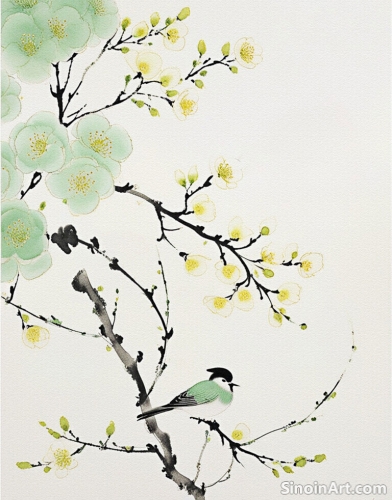 The calligraphic content of these inscriptions is also important, providing context, commentary, or poetic meaning to the painting. The verses often deepen the meaning and expand on the narrative of the painting. The use of text often adds multiple layers of meaning. 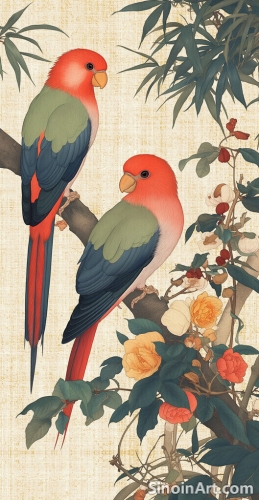 The brushwork used in the calligraphic inscriptions complements the brushwork used in the painting itself, creating a unified and harmonious visual experience. The flow of the brushstroke, the shape of the lines, and the overall balance add to the overall artistic expression. The choice of calligraphic style also reflects the artistic intention of the painter. The style of the calligraphy often corresponds with the overall tone and meaning of the painting. The use of varied calligraphic styles helps to enhance the overall emotional and artistic impact. The combination of painting and calligraphy showcases the interconnectedness of the two art forms within Chinese culture, creating works that are both visually compelling and intellectually stimulating. The inclusion of both forms elevates the work to a higher level of artistic expression. |
Tag : Gongbi calligraphy, Chinese calligraphy, art inscription, text in painting, visual literature
Related information
- The Role of Line in Gongbi: The Foundation of Precision
- The Use of White Space in Gongbi Composition
- Gongbi Painting and the Influence of Taoist Philosophy
- Gongbi Painting and its Use in Book Illustration
- Gongbi Painting and the Depiction of Auspicious Symbols
Explores the critical role of line in Gongbi painting, detailing different types of lines and their contribution to the precision and expressiveness of the art.
This article explores the importance of white space in Gongbi composition, highlighting its role in defining the main subject, creating depth, contributing to overall balance, and reflecting the philosophical principles of emptiness and the interplay of yin and yang.
This article explores the influence of Taoist philosophy on Gongbi painting, highlighting how the art form reflects Taoist ideals of harmony with nature, balance, mindfulness, and simplicity, adding a deeper layer of spiritual and philosophical significance to the artworks.
This article explores the use of Gongbi painting in book illustration, highlighting its ability to bring narratives to life through detailed depictions, accurate representations, and vibrant colors, and how this enhances the reader's understanding and appreciation of the text.
This article explores the use of auspicious symbols in Gongbi painting, highlighting the meaning and cultural significance of these motifs, and how their depiction in these detailed works expresses wishes for good fortune, prosperity, and happiness.