Gongbi and the Representation of Movement: Capturing Dynamism
|
While Gongbi painting is known for its meticulous detail and precise rendering, artists also employ techniques to capture the sense of movement and dynamism within their works. From the flowing robes of a dancing figure to the fluttering wings of a bird, the challenge of representing movement within a static image is a critical aspect of the art form. The suggestion of movement helps the viewer experience the art in a more dynamic way. 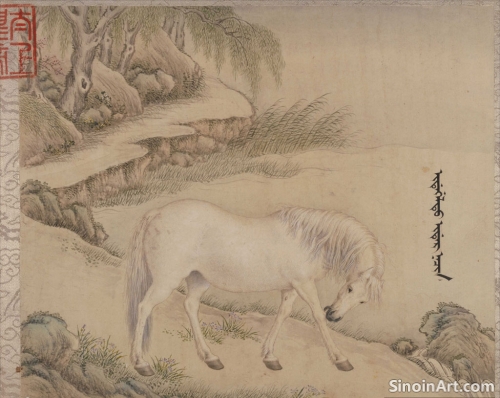 The depiction of movement in Gongbi often relies on the skillful use of line. Artists employ varying line thicknesses, curves, and angles to suggest the energy and flow of a moving object. This control of line is critical in creating the sense of action within the piece. The lines themselves become an expression of movement. 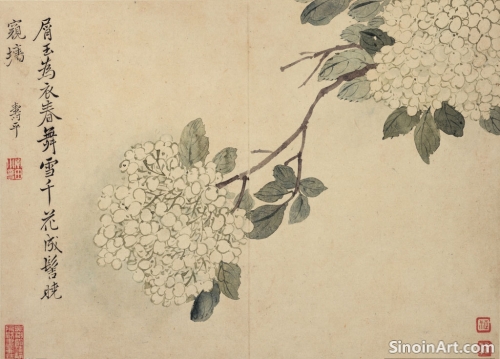 The depiction of fabric is also used to create an impression of movement. The folds and drapery of a garment are often shown rippling, fluttering, or flowing in the direction of the implied motion. The flowing fabrics suggest the movement of the subject. The careful rendering of the fabrics helps create a sense of motion. 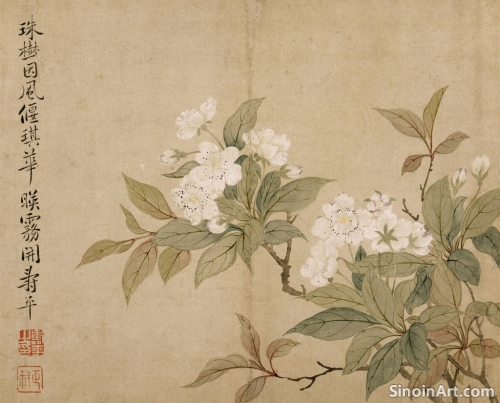 The careful placement of figures and objects within the composition can also help to suggest movement. By creating a dynamic arrangement of elements, the artists lead the viewer’s eye in a particular direction, creating a sense of energy and flow. The use of compositional elements enhances the feeling of movement. The rendering of birds in flight or fish swimming often demonstrates the artists’ mastery of conveying motion within the constraints of the medium. Artists will often depict the wings of birds in a way that shows the speed and lift of the flight. The dynamic rendering of flying animals and water creatures is a common way to show movement. The challenge of conveying movement in Gongbi painting demonstrates the artists’ technical prowess and their ability to transcend the limitations of the static form, creating works that are both beautifully detailed and dynamically engaging. The artists seek to breathe life into their subjects and capture their movement within the frame. |
Tag : Movement in Gongbi, dynamic art, action in painting, Chinese art techniques, depicting motion
Related information
- Color in Gongbi: Layering and Luminosity
- Gongbi Painting and the Use of "Boneless" Technique
- Gongbi and the Court: Patronage and Artistic Standards in Imperial China
- Gongbi Painting and its Role in Cultural Diplomacy
- Gongbi and the Depiction of Everyday Life
This article explores the use of color in Gongbi painting, highlighting the "ranse" layering method, the use of mineral-based pigments, the process of creating luminous effects, and the overall importance of color in conveying mood and meaning.
This article explores the “boneless” technique (没骨法) in Gongbi painting, highlighting how artists use color washes to create forms without preliminary outlines, adding softness, fluidity, and demonstrating a versatility within the art form.
The history of Gongbi painting is intrinsically linked to the imperial courts of China, where it flourished under the patronage of emperors and the elite classes. The demand for highly detailed and realistic depictions of the natural world and court life led to the development of the meticulous techniques and refined aesthetic characteristic of the Gongbi tradition. This patronage significantly shaped the evolution and preservation of this distinctive style.
This article explores the role of Gongbi painting in cultural diplomacy, highlighting its ability to foster cross-cultural understanding, promote artistic collaboration, and serve as a symbol of Chinese cultural identity on the global stage.
This article explores the use of Gongbi painting in depicting scenes from everyday life, highlighting its meticulous detail, portrayal of common activities, and how these works serve as visual records of daily existence and a particular time and place.