Gongbi and the Court: Patronage and Artistic Standards in Imperial China
|
The history of Gongbi painting is intrinsically linked to the imperial courts of China, where it flourished under the patronage of emperors and the elite classes. The demand for highly detailed and realistic depictions of the natural world and court life led to the development of the meticulous techniques and refined aesthetic characteristic of the Gongbi tradition. This patronage significantly shaped the evolution and preservation of this distinctive style.  The imperial court established high standards for artistic execution and subject matter in Gongbi painting. Court artists were often tasked with creating detailed portraits, depictions of ceremonial events, and renderings of auspicious plants and animals that were believed to bring good fortune and prosperity to the emperor and his court. The resulting artworks often served not only as decorative pieces but also as powerful symbols of imperial power and cultural sophistication. 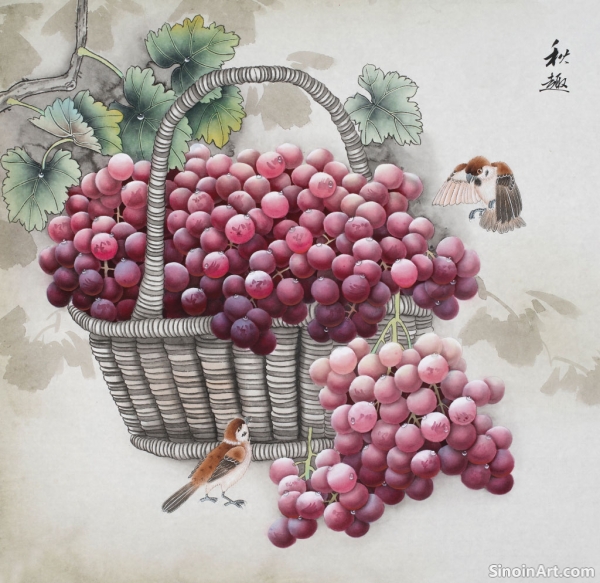 The materials used in Gongbi painting were often of the highest quality, including fine silk or paper, high-grade inks, and natural pigments derived from minerals and plants. Court artists were often skilled in the preparation of these materials, ensuring the longevity and vibrancy of their artworks. The use of such materials is both reflective of the social context and a testament to the value placed on artistic production. 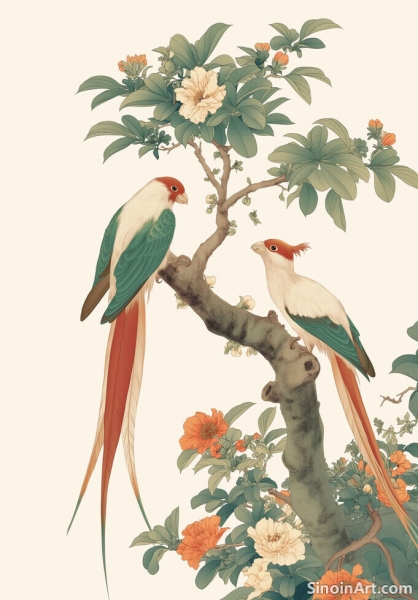 The court patronage system also fostered a culture of artistic transmission and training. Artists often worked within established workshops, where skills were passed down through generations. This hierarchical system allowed for the preservation of techniques and the maintenance of high standards, ensuring the continuity of the Gongbi tradition. The detailed and refined process was often developed and passed down through these workshops. The legacy of court patronage on Gongbi painting is undeniable, shaping its aesthetic principles, technical standards, and symbolic content. The meticulous detail, refined elegance, and symbolic richness of Gongbi artworks are all partly a result of the demanding expectations of the imperial court. While the style continues to evolve, it remains deeply rooted in its historical association with courtly life and its desire to capture beauty with unmatched precision. |
Tag : Court Patronage Gongbi, Imperial Chinese Painting, Gongbi Art Standards, Gongbi Painting Patronage, Traditional Court Art
Related information
- Gongbi and the Depiction of Everyday Life
- Gongbi Painting and the Art of Miniature
- The Conservation and Care of Gongbi Paintings
- Gongbi Painting and the Four Gentlemen: Symbolism in Nature
- The Challenge of Large-Scale Gongbi Painting
This article explores the use of Gongbi painting in depicting scenes from everyday life, highlighting its meticulous detail, portrayal of common activities, and how these works serve as visual records of daily existence and a particular time and place.
This article explores the art of miniature Gongbi painting, highlighting the challenges, specialized techniques, subject choices, and how these tiny works demonstrate the artists’ skill and ability to capture detail and beauty on a small surface.
This article provides essential information on the conservation and care of Gongbi paintings, including controlling the environment, proper storage, framing techniques, cleaning recommendations, and the importance of regular inspections to ensure the longevity of these delicate artworks.
Explores the symbolism of the Four Gentlemen (plum blossom, orchid, bamboo, chrysanthemum) in Gongbi painting, highlighting their cultural significance and representation.
This article explores the unique challenges of creating large-scale Gongbi paintings, including maintaining precision, acquiring specialized materials, managing composition, and the time-consuming process of layering colors and details.