Color in Gongbi: Layering and Luminosity
|
Color in Gongbi painting is not merely applied; it is meticulously built up through layers of thin, translucent washes. This technique, known as “ranse,” is fundamental to achieving the luminous and vibrant effects characteristic of this art form. The careful application of multiple layers, allows light to filter through the layers, creating depth, vibrancy, and nuanced color variations. This process demands both patience and a deep understanding of color theory. 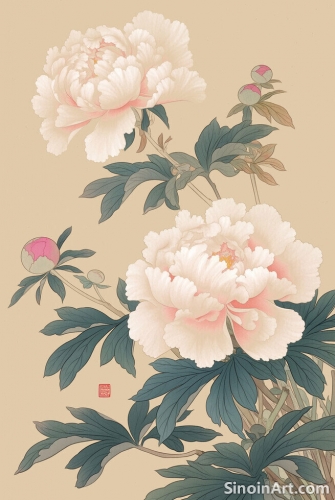 The use of mineral-based pigments is another defining characteristic of Gongbi. These natural pigments, such as malachite for green, azurite for blue, and vermilion for red, provide a rich, earthy tone and are often mixed with glue to help them adhere to the paper. The natural properties of these pigments contribute to the unique appearance of Gongbi art, creating a quality of color that is difficult to replicate using other types of paints.  The process of layering colors is a delicate balance. Each layer must be applied evenly and thinly, allowing the underlying layers to show through subtly. This is not simply a matter of adding more color; it requires an understanding of how colors interact with each other, and the way light will filter through the layers. The subtle gradations in color create depth, volume, and a sense of realism. 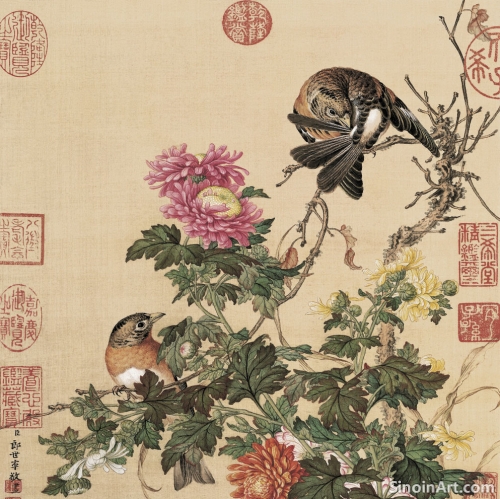 The application of color is often a multi-step process that can take days, weeks, or even months to complete. The careful building of color, from initial washes to the final touches, is integral to the painting's overall effect. The translucency of the layers creates an interplay of color that creates an inner luminosity in the painting, giving it a distinctive appearance. The use of color in Gongbi is more than just decorative; it is an essential element in conveying the mood, atmosphere, and symbolic meaning of the artwork. The careful selection and layering of colors allow artists to express their artistic vision and create works that are both visually stunning and emotionally resonant. The overall effect of color layering creates both a sense of depth and a luminous quality. |
Tag : Gongbi color, ranse technique, Chinese painting pigments, layering color, luminous painting
Related information
- Gongbi Painting and the Art of Storytelling
- Gongbi and the Court: Patronage and Artistic Standards in Imperial China
- Gongbi and the Representation of Movement: Capturing Dynamism
- A Historical Journey: The Origins of Gongbi Painting
- Famous Gongbi Artists: Masters of the Brush
This article explores the use of Gongbi painting as a medium for storytelling, highlighting the use of detailed scenes, character portrayal, symbolism, settings, and how these elements bring narratives from history, mythology, literature, and everyday life to visual form.
The history of Gongbi painting is intrinsically linked to the imperial courts of China, where it flourished under the patronage of emperors and the elite classes. The demand for highly detailed and realistic depictions of the natural world and court life led to the development of the meticulous techniques and refined aesthetic characteristic of the Gongbi tradition. This patronage significantly shaped the evolution and preservation of this distinctive style.
This article explores how Gongbi painting captures movement and dynamism, highlighting the use of line, flowing fabrics, dynamic composition, and the depiction of flying birds and swimming fish, and how these techniques suggest energy and flow within the artwork.
This article traces the historical development of Gongbi painting from its early origins to its modern resurgence, highlighting its evolution across dynasties and its place in Chinese art history.
A profile of influential Gongbi artists throughout history, highlighting their contributions and styles.